 EN
EN  IT
IT  FR
FR 
This article is produced in partnership with Altiplano Voyage, a specialist in tailor-made trips to Italy.
Table of Contents
At Casa Bandera, we talk about the Italian art of living, cuisine, traditions, and everything that shapes everyday life in Italy. For its part, Altiplano Voyage creates itineraries throughout the country, with a strong focus on meeting local people, discovering traditional know-how, and experiencing the places that help travelers better understand each region.
It therefore felt quite natural to give them the opportunity to share their perspective on a subject we have in common: La Dolce Vita, this time viewed through the lens of travel. From Puglia to Veneto, via Naples, Rome, Liguria, and the lakes of northern Italy, here is their take on the regions and experiences that offer an authentic glimpse into the Italian art of living.
In Italy, the art of living is rarely experienced in a single place or through one particular experience. Instead, it unfolds throughout a journey, through a succession of simple moments: having a coffee standing at the counter, walking through a morning market, lingering over lunch, learning a recipe from someone who has been making it for generations, or talking with a local producer who tells the story of their land through what they grow.
This is the way we like to travel at Altiplano Voyage, specialists in tailor-made trips to Italy. Of course, Italy's iconic sights have an important place in any itinerary, but they often take on a whole new dimension when combined with more local experiences that are directly connected to the region you are exploring. A cooking class in Puglia, a meeting with an olive oil producer, a few hours with a pizzaiolo in Naples, or a visit to Rome's markets can offer a more authentic glimpse into everyday life.
Italy is particularly well suited to this approach because its regional differences remain remarkably strong. Cuisine, landscapes, customs, and even the rhythm of daily life can change quickly between the South, the major cities, and the northern regions. La Dolce Vita exists everywhere, but it never quite takes the same form.
Puglia: A Cuisine That Tells the Story of the Land
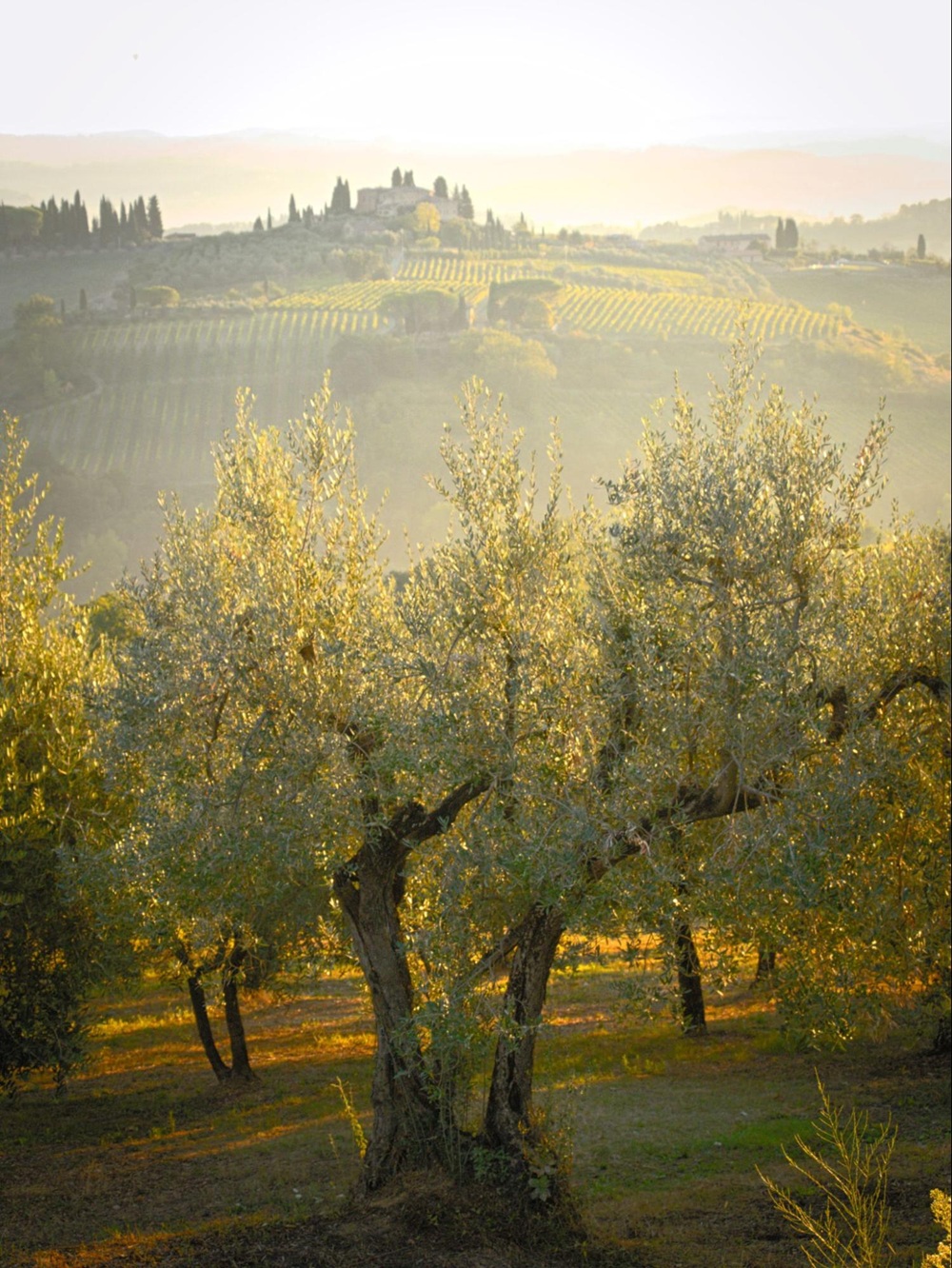
In Puglia, the connection to the land is immediately visible. Olive trees shape the landscape, villages retain a strong sense of identity, and the cuisine is built around products that speak directly of the region: olive oil, vegetables, bread, cheeses, and fresh pasta.
Around Bari, the Itria Valley, or farther south toward Lecce, food can easily become a central thread throughout your journey. It connects the different stops and helps you better understand what makes this part of Italy unique.
Learning how to make orecchiette, for example, may seem like a very simple experience. Yet after spending a few hours with someone who has mastered the technique over many years, you quickly understand that the recipe is also about passing knowledge from one generation to the next. The dough requires only a few ingredients, but shaping it, mastering the hand movement, and achieving consistency take real practice. This is precisely the kind of moment that adds depth to a trip.
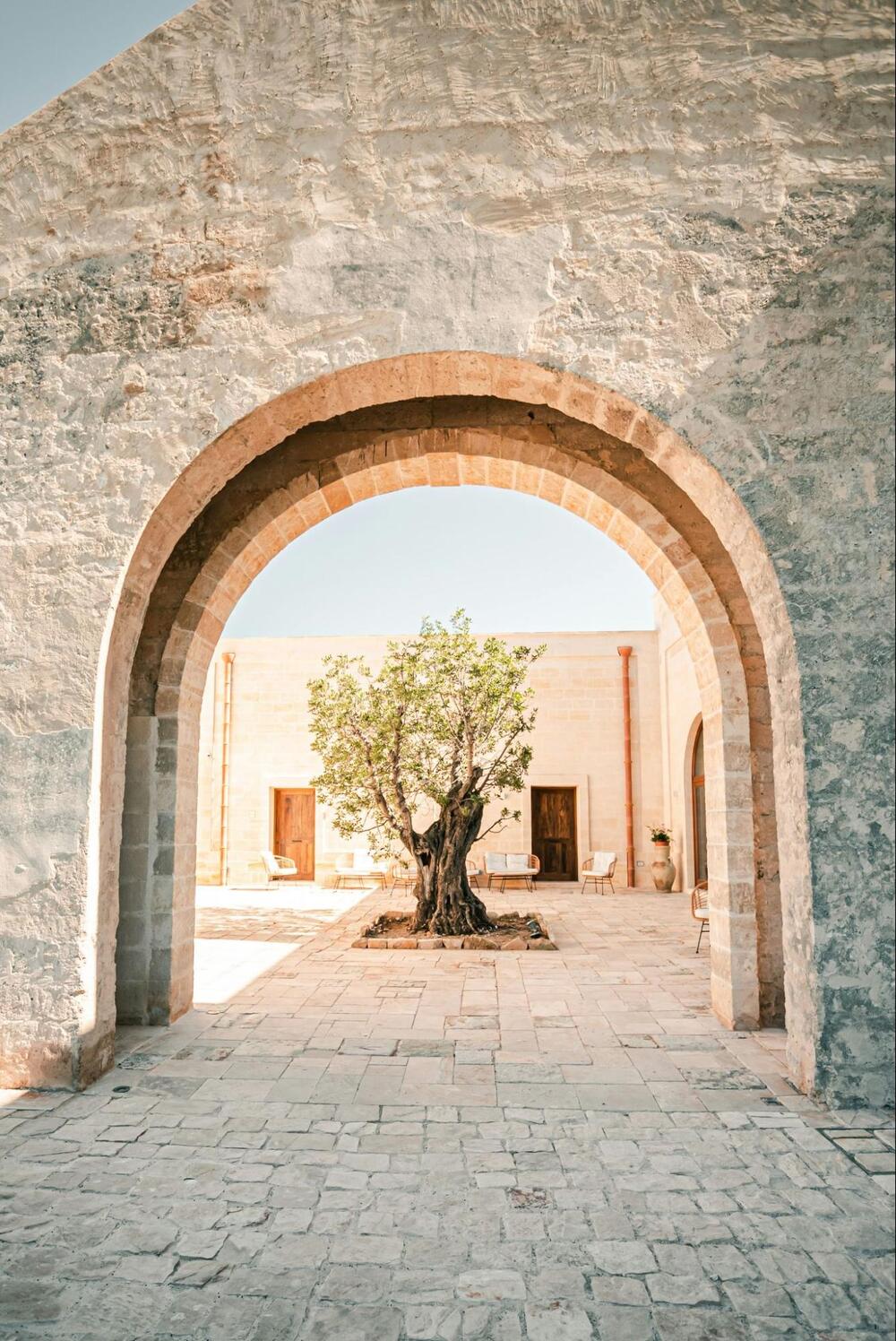
The same applies to olive oil. At some masserie around Ostuni, Fasano, or Monopoli, you can meet producers, explore the olive groves, and discover the different stages of production. The tasting then becomes much more meaningful because it connects the flavors to the landscape, climate, and production methods.
Spending several nights at a masseria also brings a real sense of coherence to a Puglia itinerary. From there, it is easy to explore Alberobello, Locorotondo, Ostuni, or the coast, while keeping a comfortable base and a more relaxed pace.
Calabria: A More Rural Italy, Still Closely Connected to Local Producers
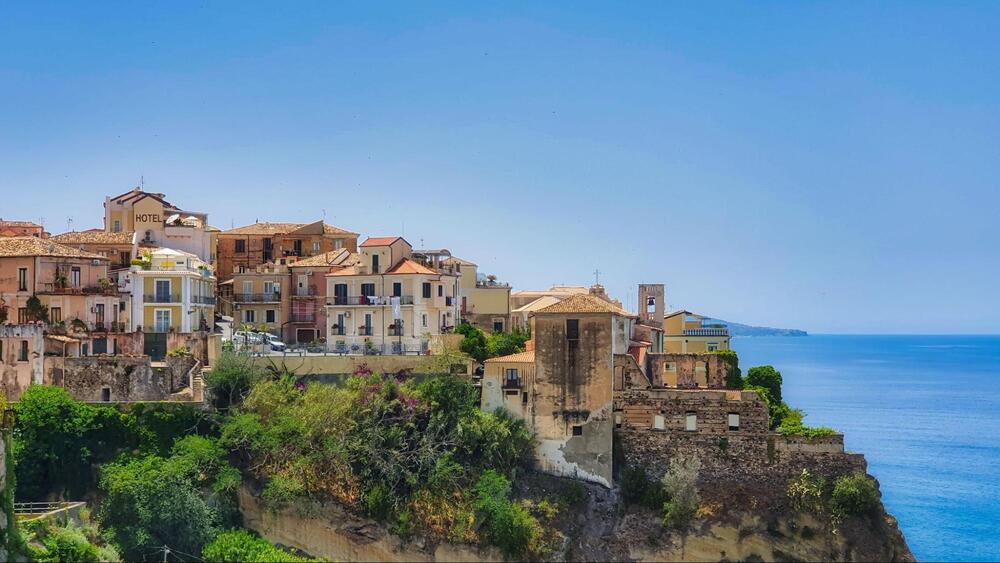
Farther south, Calabria offers a different relationship with food and the land. Here, cuisine remains deeply connected to farming, livestock, and family traditions. Cured meats, cheeses, citrus fruits, vegetables, and chili peppers all play an important role in local food culture.
'Nduja is now widely known, but it is only one entry point into the region. Behind it lies an entire culture built around preservation, locally made products, and recipes that can still vary considerably from one village to another.
In some areas, a day of exploring can easily combine a hilltop village, a meeting with a local producer, and lunch at a traditional local restaurant. This type of itinerary allows you to understand the region through what it produces, rather than simply moving from one attraction to the next.
Calabria is particularly well suited to travelers who enjoy quieter regions and itineraries where local encounters are just as important as the scenery. Combined with Puglia, it offers a rich journey through southern Italy, with two distinctly different regional identities.
Naples and the Amalfi Coast: Two Rhythms, One Region
Naples has a very distinctive energy, one that becomes apparent from the very first hours in the city. Markets, cafés, pastries, and pizzerias all contribute to its unique atmosphere. Food is everywhere, but never in a static or formal way: it is part of everyday life, conversations, and the rhythm of the streets.
Learning how to make pizza with a pizzaiolo allows you to see this iconic specialty from a different perspective. You discover how the dough is prepared, resting times, shaping, and baking—gestures that seem simple until you try to reproduce them yourself. The experience is even more meaningful in a city where pizza is so deeply connected to the local identity.
Markets offer another way in. Accompanied by a guide or a local resident, you can discover the products, observe local shopping habits, and understand how certain ingredients eventually find their way into Neapolitan cuisine. This connection between the market, the kitchen, and the meal gives the experience a strong sense of continuity.
As you leave Naples and head toward Sorrento and the Amalfi Coast, the atmosphere gradually changes. The landscape becomes more dramatic, terraced fields appear, and lemon trees line the villages and roads. Here, the Italian art of living is more closely connected to the landscape, the sea, and the products of the coast.
A visit to a local lemon producer, a boat trip, or a day spent exploring the villages offers a complementary experience to Naples. The two destinations work particularly well together precisely because they offer such different rhythms and atmospheres.
Rome: The Italian Art of Living at the Neighborhood Level
Rome is a city that rewards taking your time. Its major monuments naturally shape a first visit, but everyday life is best discovered at the neighborhood level, once you begin walking without constantly looking for another major landmark.
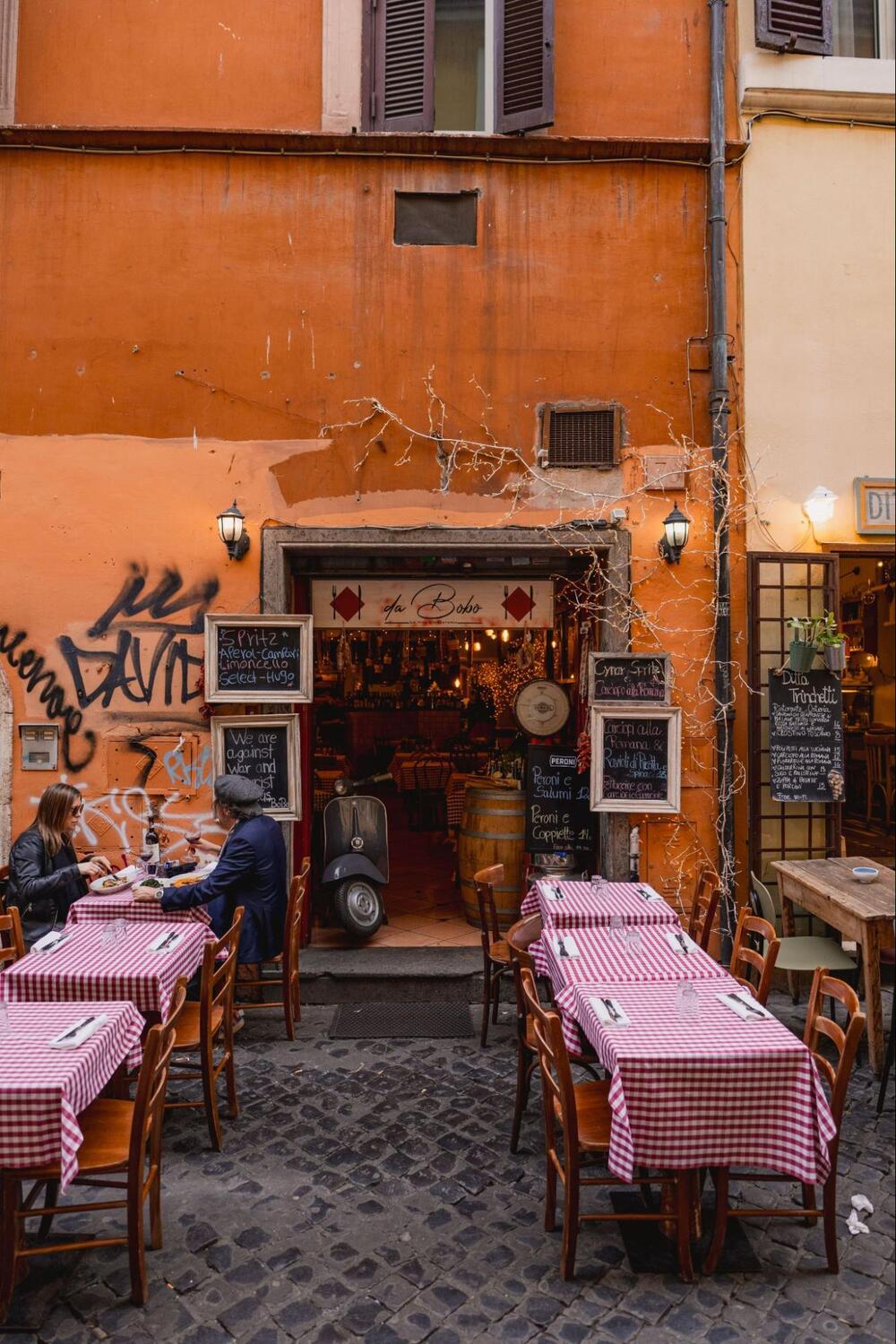
In Testaccio, Trastevere, Monti, or around the local markets, the atmosphere changes. Cafés fill up in the morning, trattorias take over at lunchtime, and the piazzas come alive again toward the end of the day. This rhythm offers a more vibrant perspective on the capital.
A cooking class works particularly well when it begins at a market. You first discover the produce, cheeses, vegetables, and cured meats before heading into the kitchen. This transition helps you better understand the logic behind some classic Roman recipes, which are often based on just a few ingredients but require precision.
Carbonara, amatriciana, and cacio e pepe may look simple on paper. Yet their success depends on balance, cooking technique, and mastering the right gestures. Preparing them in Rome gives you a whole new perspective on the dishes you later enjoy in traditional trattorias.
Rome is also perfect for long walks without a specific destination. These are often the moments when you experience the city most fully: sitting in a café, lingering in a piazza, wandering through a market, or turning down a quieter street.
Liguria: Between the Sea, Villages, and Vegetable-Based Cuisine
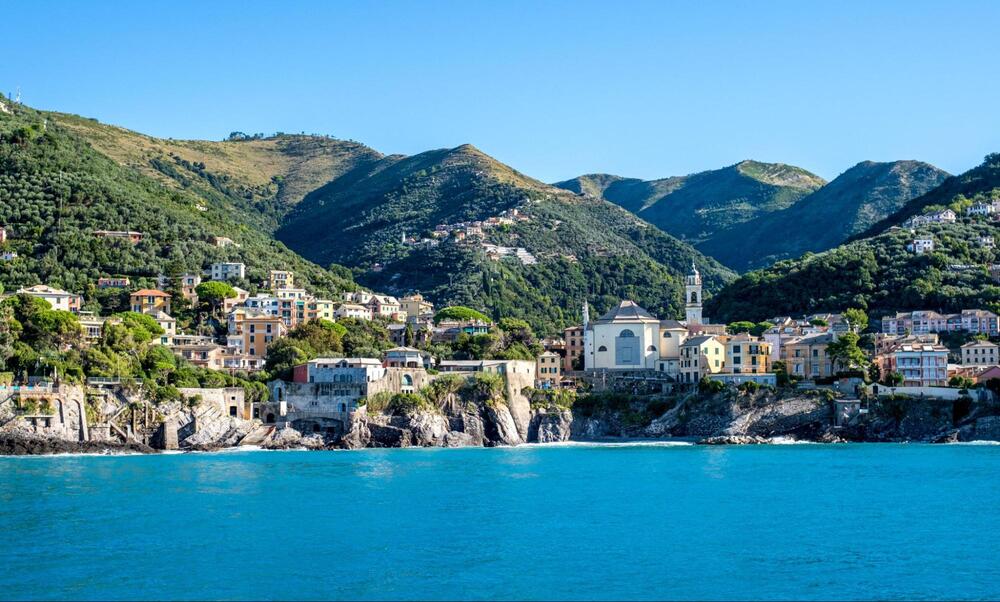
Liguria stretches across a narrow strip of land between the mountains and the Mediterranean Sea. This geography has shaped its villages, agriculture, and cuisine, which places an important emphasis on herbs, vegetables, olive oil, and seafood.
Pesto is, of course, one of the region’s most iconic specialties. Preparing it with a mortar and pestle helps you understand that the recipe relies as much on the order of the steps as it does on the quality of the ingredients. Basil, pine nuts, garlic, cheese, and olive oil are gradually worked together until they reach a texture that is completely different from that of a simple blended sauce.
Focaccia also tells part of Liguria’s story. In Genoa, it can easily accompany a coffee or a quick lunch, while focaccia di Recco, thinner and filled with fresh cheese, shows just how much culinary traditions can change within just a few miles.
An itinerary through the region can combine Genoa, Camogli, Santa Margherita Ligure, the Cinque Terre, and a few more rural stops. This variety makes it easy to move from a port city to a coastal village, and then into a more agricultural landscape.
Milan and the Lakes: A More Urban Take on La Dolce Vita
In Milan, the Italian art of living takes on a different form. The city is more contemporary, with a strong focus on design, fashion, and architecture, yet it still preserves deeply rooted traditions and daily rituals.
The aperitivo is one of the clearest examples. At the end of the day, bars gradually fill up as people gather for a drink accompanied by a few small bites. This moment marks the transition between the workday and the evening, while offering a different way to experience the city.
Brera, the Navigli district, and some of Milan’s historic cafés are great places to observe this atmosphere. A guided experience centered around a few local spots can also help you understand the local customs without turning the experience into a simple succession of tastings.
From Milan, the lakes offer a natural extension to the journey. Lake Como, Lake Maggiore, and Lake Garda each offer very different landscapes, shaped by villages, villas, gardens, and boat crossings.
The journey then becomes more contemplative. You move from one lakeside town to another, walk between two villages, visit a garden, or simply stop for lunch by the water. Spending a few nights in the same place allows you to fully embrace this slower pace.
Veneto: From Venice’s Bacari to Its Art Cities
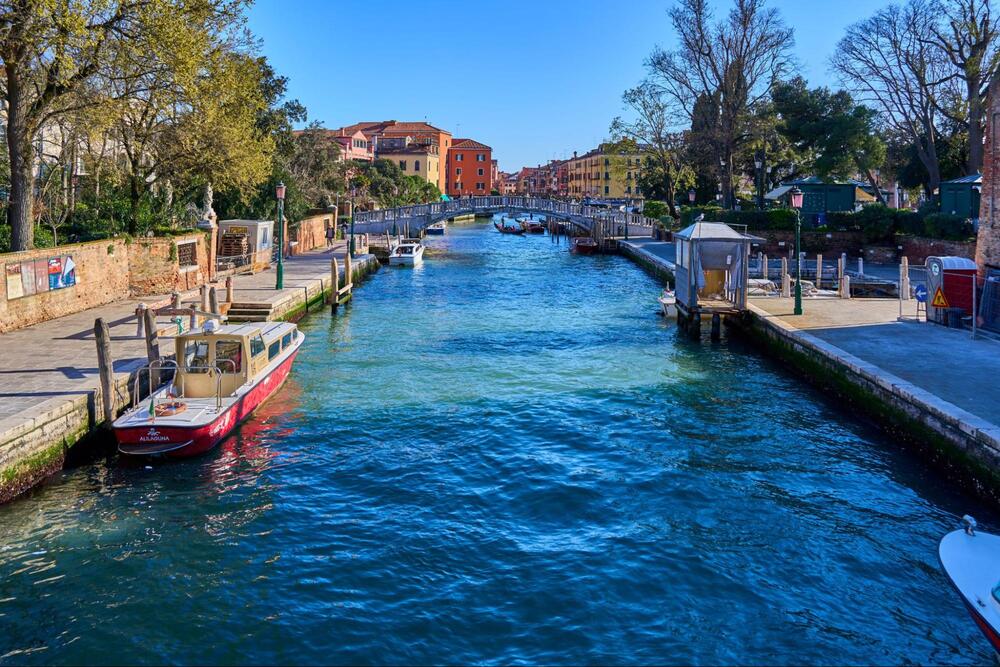
Venice has its own unique rituals, and one of the most fascinating is the tradition of the bacari. These small bars, often frequented by locals, serve cicchetti, small bites enjoyed with a drink before moving on to another spot.
This type of experience offers a different way to discover the city, moving through its neighborhoods and small squares. Cannaregio, Castello, and Dorsoduro offer a more intimate perspective on Venice, away from the busiest main routes.
Veneto is also worth exploring beyond the lagoon. Padua, Verona, Vicenza, and the surrounding hills add other dimensions to the journey: heritage, vineyards, markets, and architecture.
It is a region that works particularly well for travelers who want to combine several different atmospheres without having to cover very long distances.
One Italy, Many Ways to Experience La Dolce Vita
What makes Italy particularly fascinating is precisely this diversity. Local customs, ingredients, and rhythms change from one region to another, sometimes within a surprisingly short distance.
In Puglia, connections are often made through a masseria or a family-style kitchen. In Naples, they emerge in the streets, markets, and pizzerias. In Liguria, they revolve around basil, focaccia, and villages facing the sea. In Milan, they come to life through aperitivo and urban culture. In Venice, they take the form of moving from one bacaro to another.
These experiences are not simply activities to add to an itinerary. They provide a common thread throughout your trip to Italy and offer a deeper understanding of what truly makes each region unique.
Traveling in Italy with Altiplano Voyage
At Altiplano Voyage, we design tailor-made trips to Italy, working carefully on the destinations, pace, and local experiences.
An itinerary can focus on southern Italy with Puglia, Calabria, and Campania, combine Rome and Naples, or explore Milan, the lakes, and Veneto. From there, we incorporate experiences that are meaningful to each traveler: a cooking class, a meeting with a local producer, a visit to a market, a tasting, or a more specialized guided tour.
The goal is to create a coherent journey where every stop brings something different and where each experience helps travelers better understand the places they discover.
Read also: The Art of Italian Entertaining: The Complete Guide to Creating Unforgettable Dinner Parties


Let’s talk together!