 EN
 FR


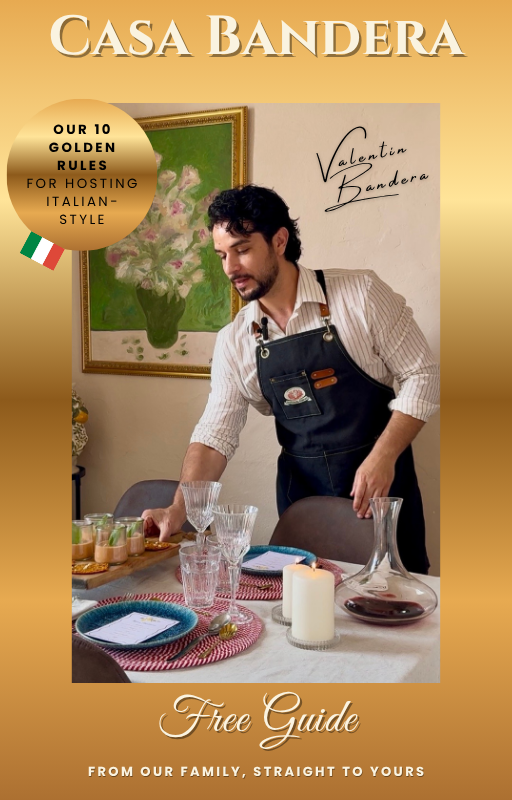
There is often a moment before guests arrive when hosting starts to feel like more work than it should. The kitchen is still busy, the table needs a few finishing touches, and you find yourself wondering whether everything will come together in time. You want to serve something delicious, create a welcoming atmosphere, and enjoy the evening with your guests rather than spend the entire night worrying about what happens next.
Over time, I've come to realize that a relaxed dinner party often begins with a few thoughtful choices, long before anyone takes a seat at the table. One of those choices is the quality of the ingredients you bring into your kitchen. And for us, Rustichella d'Abruzzo has become one of those Italian staples we genuinely enjoy having on hand.
It's not about finding a shortcut or turning an ordinary dinner into a complicated culinary project. It's about starting with ingredients you can trust, so you can focus on what really matters: good food, good company, and the pleasure of sharing a meal around the table.

“A memorable dinner doesn't necessarily begin with an elaborate recipe. More often, it starts with thoughtful choices: ingredients you love, flavors worth sharing, and the pleasure of knowing that everyone around your table will feel welcome.
For us, Rustichella d'Abruzzo is one of those little Italian kitchen essentials that makes cooking feel all the more enjoyable.”
— Casa Bandera, from our Famiglia to yours
Table of Contents
The Moment Our Family Discovered Rustichella d'Abruzzo
The first time I cooked with Rustichella d'Abruzzo, I noticed a difference in the pasta itself. Its surface had a slightly rough texture, quite unlike the smooth finish of many mass-produced varieties. It also had a pleasant wheat aroma, and once cooked, the pasta seemed particularly well suited to holding onto a rich tomato sauce. These are the kinds of details you begin to appreciate when you spend a lot of time cooking Italian food at home.
That evening, we kept the recipe wonderfully uncomplicated: homemade tomato sauce, fresh basil, and a drizzle of good extra virgin olive oil. Nothing elaborate, just a handful of ingredients that work beautifully together. After her first bite, Mae turned to me with a smile and said, “Siamo in Italia.” We were in Italy.
It was a lovely way to describe the feeling around the table. Of course, the pasta alone wasn't responsible for the atmosphere, but it was part of what made the meal enjoyable. The texture, the sauce, the familiar flavors and the simplicity of the preparation all came together naturally. It reminded me that a memorable Italian dinner doesn't need an endless list of ingredients or hours of complicated preparation. Sometimes, choosing a good pasta and treating a few quality ingredients with care is more than enough.
Why Quality Ingredients Make Hosting More Enjoyable

Hosting friends and family involves much more than deciding what to cook. There is the timing, the preparation, the table setting, and all the little details that come together to make an evening feel effortless. Even when you love cooking, keeping track of everything can sometimes take away from the pleasure of having people over.
One thing that has made a difference in our kitchen is learning to rely on ingredients we know and enjoy. A good-quality pasta, for example, gives you a dependable starting point for countless meals. You can pair it with a slow-cooked tomato sauce, seasonal vegetables, seafood or a simple combination of olive oil and fresh herbs. Rather than constantly wondering whether a recipe will work, you can concentrate on bringing the different elements of the dinner together.
Mae often reminds me that good ingredients make a real difference, even in the simplest dishes. And Rose has her own way of expressing her enthusiasm: whenever pasta appears on the table, her reaction is usually immediate. There is something rather wonderful about seeing a dish bring the whole family together, especially when the meal is uncomplicated and everyone feels at home.
For me, that's an important part of Italian-style hospitality. The goal isn't to spend the evening proving how much effort you've put into dinner. It's to create the conditions for everyone, including the person doing the cooking, to enjoy the moment. Choosing ingredients you trust is one small but meaningful way to make that possible.
A Family Story Rooted in Abruzzo
Rustichella d'Abruzzo has a history that goes back much further than today's growing interest in artisan Italian food. The company traces its origins to 1924, when Gaetano Sergiacomo began producing pasta in Pianella, a small town in the Abruzzo region of central Italy. Coming from a family of millers, he built his work around a deep understanding of wheat and the traditions of pasta making.
Over the decades, that heritage continued through the Peduzzi family, who have carried the business forward across generations. What makes this story particularly interesting is the connection between a regional food tradition and the people who have worked to preserve it. Abruzzo has a rich culinary identity, and pasta remains an important part of its everyday food culture.
Rustichella d'Abruzzo is particularly associated with traditional production methods, including the use of bronze dies and slow drying at controlled temperatures. These techniques help give the pasta its characteristic rough surface and distinctive texture. The company also emphasizes its selection of durum wheat, an important starting point for producing quality dried pasta.
Of course, tradition alone doesn't guarantee a good product. What matters is how those choices translate into the cooking experience: how the pasta feels, how it holds its shape, and how well it works with the sauce. These are the qualities worth paying attention to when choosing a pasta to serve at home.
What Artisan Pasta Brings to The Dinner Table

One of the first things you notice when cooking a good artisan pasta is its texture. Depending on the shape and production method, its slightly rough surface can help the sauce cling to the pasta rather than simply slide away. This is particularly enjoyable with preparations such as a slow-simmered tomato sauce, where every forkful should bring together the pasta and its seasoning.
Cooking also deserves a little attention. Different pasta shapes and brands have different cooking times, so it's always worth following the package instructions and tasting the pasta as it approaches the recommended time. Ideally, you want an al dente texture that remains pleasantly firm without feeling undercooked. Once drained, the pasta can be finished in the pan with its sauce, allowing the two to come together beautifully.
These details may seem small, but they contribute to a more enjoyable meal. When the ingredients work well together and the preparation is under control, you have more time to set the table, pour a glass of wine and spend time with your guests. And that, ultimately, is what makes a dinner worth remembering: not just what's on the plate, but everything that happens around it.
How to Recognize Good Artisan Pasta
Choosing a good dried pasta doesn't have to be complicated, but there are a few details worth looking at. Start with the ingredient list and the quality of the durum wheat used. A short, straightforward ingredient list is generally what you would expect from traditional dried pasta, although the origin and characteristics of the wheat also deserve attention.
Next, take a look at the surface. Many traditionally made pastas have a slightly rough, porous appearance, particularly those extruded through bronze dies. This texture can help sauces adhere to the pasta, making a noticeable difference in certain recipes. The appearance alone isn't enough to judge quality, of course, but it can be a useful indication of the production method.
Cooking performance is just as important. A good pasta should hold its shape and develop a pleasant al dente texture when cooked correctly. Follow the recommended cooking time, but don't hesitate to taste it a little earlier. Finally, consider the flavor. Wheat should remain pleasantly present without overpowering the sauce or the other ingredients.
Ultimately, the best way to discover an artisan pasta is to cook it and see how it performs in the dishes you enjoy making. A simple tomato sauce is often an excellent place to start because it allows the texture and flavor of the pasta to shine without being hidden beneath too many ingredients.
Chitarra Pasta: A Tradition Made for Sharing

In Abruzzo, chitarra pasta is much more than a distinctive shape. It is part of a culinary tradition passed down through generations, closely tied to family gatherings and the rituals of Sunday lunch. Its square strands and slightly rustic texture are the result of a centuries-old technique, but what makes this pasta truly special is the role it has always played around the family table.
In many Abruzzese households, Sundays were an occasion for everyone to come home. Children who had grown up and followed different paths in life would return to the family kitchen, where familiar aromas, generous dishes, and long conversations brought everyone together again.
In a modest white house in the Carmine district of Penne, the kitchen was at the heart of family life. This was where Aunt Fafina kept the family's culinary traditions alive, preparing her Rustichelle with just a handful of carefully chosen ingredients: durum wheat semolina and fresh eggs from the family's own hens. No water, no unnecessary additions, just good ingredients and the practiced hands of someone who had learned the craft over many years.
Once the dough was ready, it was passed through the traditional chitarra, a wooden frame stretched with fine metal strings. Pressed against these strings, the dough was cut into long, square strands with a slightly rough surface. This distinctive shape is particularly well suited to hearty sauces, allowing every strand to hold on to the flavors of the dish.
But the real beauty of this tradition was never limited to the pasta itself. Around the table, serving dishes made their way from one person to another, conversations overlapped, and laughter filled the room. Preparing and sharing a meal was simply part of being together, a ritual that brought generations closer through familiar gestures and recipes.
That same heritage continues today at Rustichella d’Abruzzo, where traditional pasta-making methods remain central to the company's identity. Its Rustichelle are made with durum wheat semolina from the Vestina area and free-range eggs, reflecting a commitment to ingredients and techniques rooted in the region's culinary history.
More than 90 years after the company's beginnings, this connection to tradition remains an important part of its story. And perhaps that is what makes chitarra pasta so meaningful: it is not simply something prepared and served for lunch, but a small piece of family heritage, bringing the memories of one generation to the table of the next.
Why Rustichella d’Abruzzo Has Become a Staple in Our Kitchen
Some ingredients gradually earn a permanent place in your kitchen. Not because you are accustomed to buying them, but because once you have experienced their quality, you begin to appreciate just how much of a difference they make. Rustichella d’Abruzzo is one of those products for us. Its pasta has become a reliable favorite whenever we want to prepare an Italian meal worth sharing.
One of the first things you notice is the texture. Bronze-die extrusion gives the pasta a slightly rough, porous surface that helps sauces cling to it rather than slide away. It may sound like a small technical detail, but it makes a noticeable difference on the plate, particularly when preparing recipes with rich tomato sauces, olive oil, or other traditional Italian ingredients.
Cooking performance is another reason we appreciate it. Good artisan pasta should retain its structure and offer a pleasant bite when cooked properly, without becoming soft or losing its character too easily. Rustichella's careful production methods and traditional approach to pasta-making contribute to the consistency we look for when cooking at home.
And then there is the flavor. Made from quality durum wheat, the pasta has a distinctive wheat character that comes through even in relatively simple recipes. Paired with a well-prepared sauce, it provides the kind of foundation that allows a few carefully chosen ingredients to shine without needing an elaborate preparation.
These are the qualities that make us reach for Rustichella whenever we want to bring a little more of Italy into our kitchen. When you are preparing dinner for friends or family, choosing dependable ingredients matters. It gives you confidence in the result and allows you to spend less time worrying about the cooking and more time enjoying the people gathered around your table.
For us, good pasta is not simply a pantry staple. It is one of the ingredients that helps turn an ordinary weeknight meal into something worth lingering over.
Conclusion: The Pasta That Changed the Way We Gather at Home

Looking back, Rustichella d’Abruzzo did not fundamentally change the way we cook. What it brought into our home was something a little more subtle: a renewed appreciation for the everyday meals we share around the table. With good pasta in the pantry and a few quality ingredients on hand, preparing an Italian dinner becomes an opportunity to slow down, invite people over, and enjoy the simple pleasure of eating together.
That is ultimately what Italian-style hospitality means to us. It is not about elaborate menus or spending hours trying to impress your guests. It is about creating an atmosphere in which everyone feels welcome, where the food is prepared with care and the evening unfolds naturally. A beautiful pasta, a well-balanced sauce, and a little attention to the details can be more than enough to set the tone.
Because hosting well does not necessarily mean doing more. It means choosing thoughtfully, preparing with intention, and making room for what matters most: the people around your table.
If you would like to discover the pasta we enjoy cooking with at home, you can explore the world of the Italian artisan producer here:
Discover Rustichella d’Abruzzo
After all, a memorable dinner is never just about what you serve. It is about the pleasure of sharing it.
Also read: The Art of Italian Hosting: The Complete Guide to Creating Unforgettable Dinners


Let’s Talk Together!