 EN
EN  IT
IT  FR
FR 
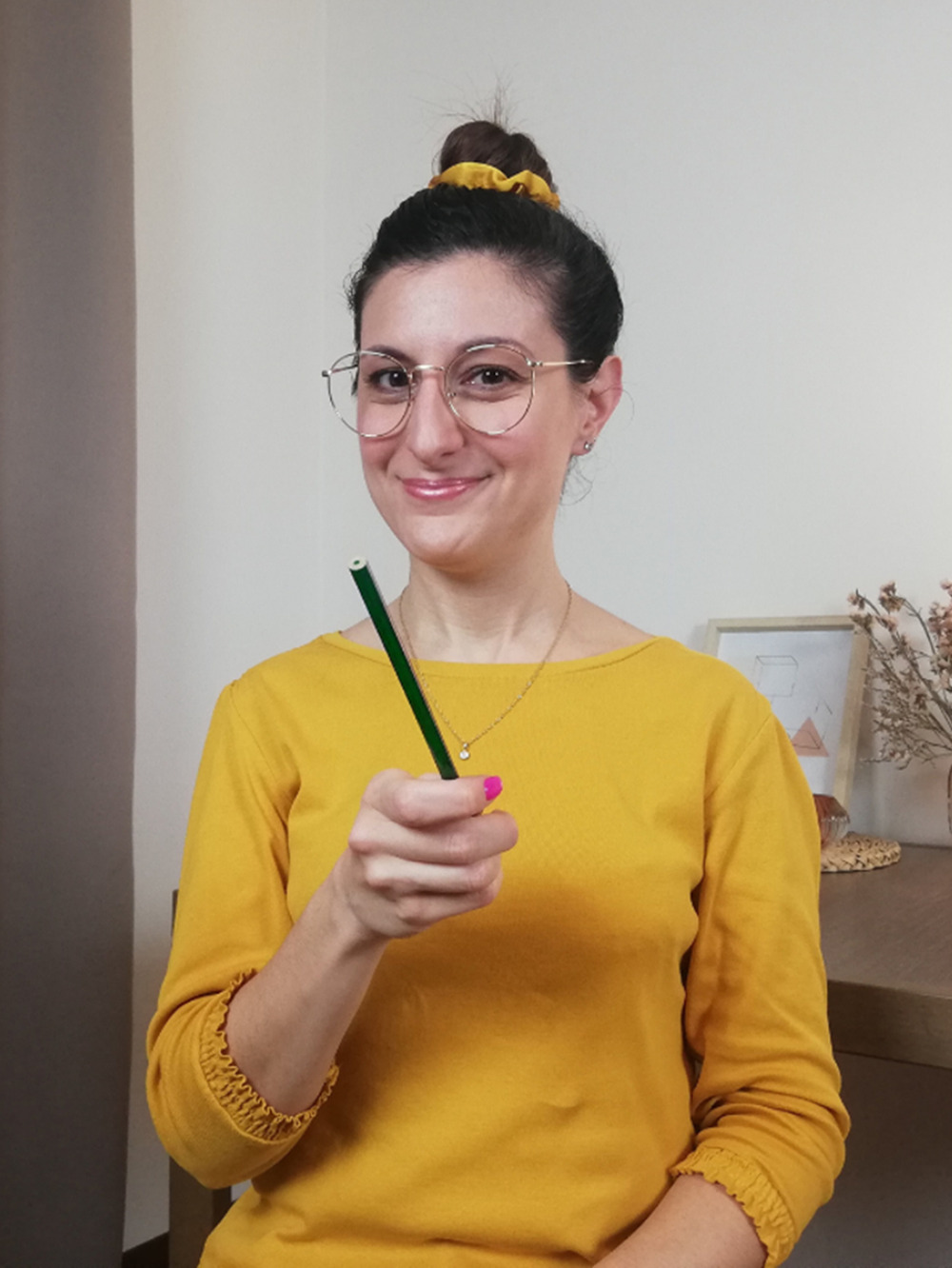
We're delighted to welcome Aurélie from www.aurelieenitalie.com!
An expert in the Italian language and culture, she takes us on a journey through the essential Italian food vocabulary you need to enjoy a truly 100% Italian dining experience.
Table of Contents
Dreaming of enjoying a true Italian meal, without struggling to find the right words when it's time to order?
The key is to feel completely comfortable at the table — enjoying each course as it arrives, of course, but above all, making the most of the moment without feeling stuck for words.
Menu vocabulary, different places to eat, Italian table etiquette, essential expressions... I'm giving you all the useful vocabulary you need to handle the conversation with confidence, from the first "Buonasera" to the final "Il conto, per favore."
Italian Menu Vocabulary
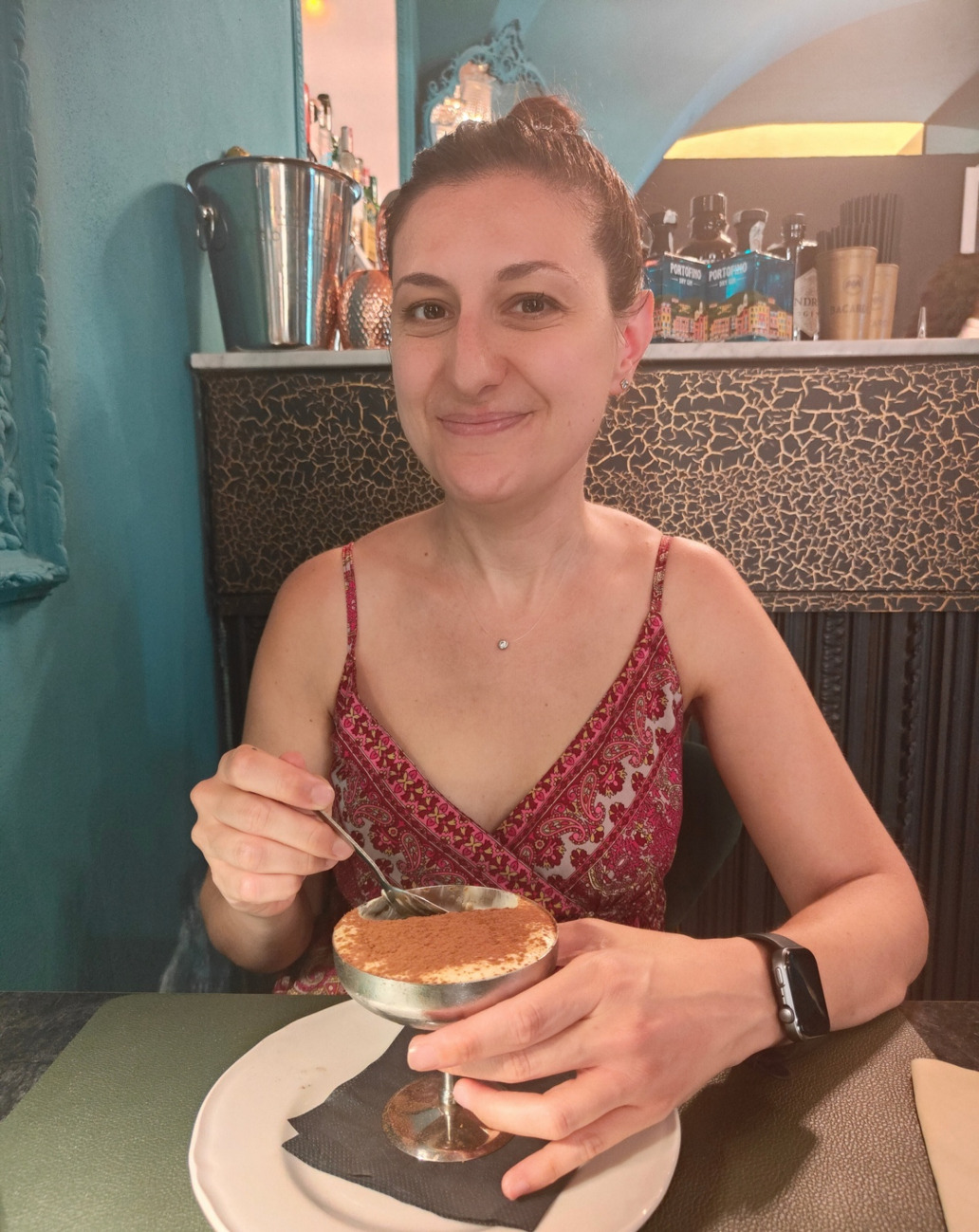
You sit down, and someone hands you the menù (an easy one — the pronunciation won't feel too unfamiliar!). But one detail quickly stands out: unlike in France, there isn't usually just one main course. An Italian meal follows a very specific sequence, almost like a ritual.
It starts with the antipasti, the equivalent of our appetizers, served hot or cold (in Italy, at events or with family, it's common to offer both). The meal continues with the primo (literally the "first course") — usually pasta or risotto — followed by the secondo ("second course"), meat or fish, generally served with a contorno: grilled vegetables, roasted or fried potatoes, or a simple salad.
Another custom worth knowing: forget about the cheese platter at the end of the meal — that's not an Italian tradition. Instead, it's time for the dolce (you may also hear the word "dessert" — no surprise there when it comes to vocabulary!), with classics like tiramisù, panna cotta, or, for a fresher option, macedonia — a fruit salad, not to be confused with the mayonnaise-based vegetable salad known as "macédoine" in France.
And what about wine? It's a topic that deserves its own chapter, given how rich the vocabulary is. Discover the essential Italian words you need to order wine in Italy.
Two final things to keep in mind before sitting down to eat: when it comes to water, always specify naturale (still) or frizzante (sparkling) — complimentary tap water isn't a given in Italy.
And if you notice an extra line on the bill, "il coperto", don't panic: it's simply a cover charge, usually around 1 to 2 euros. At least now you know what to expect, so you won't be surprised when the bill arrives!
Where to Eat in Italy and How to Order
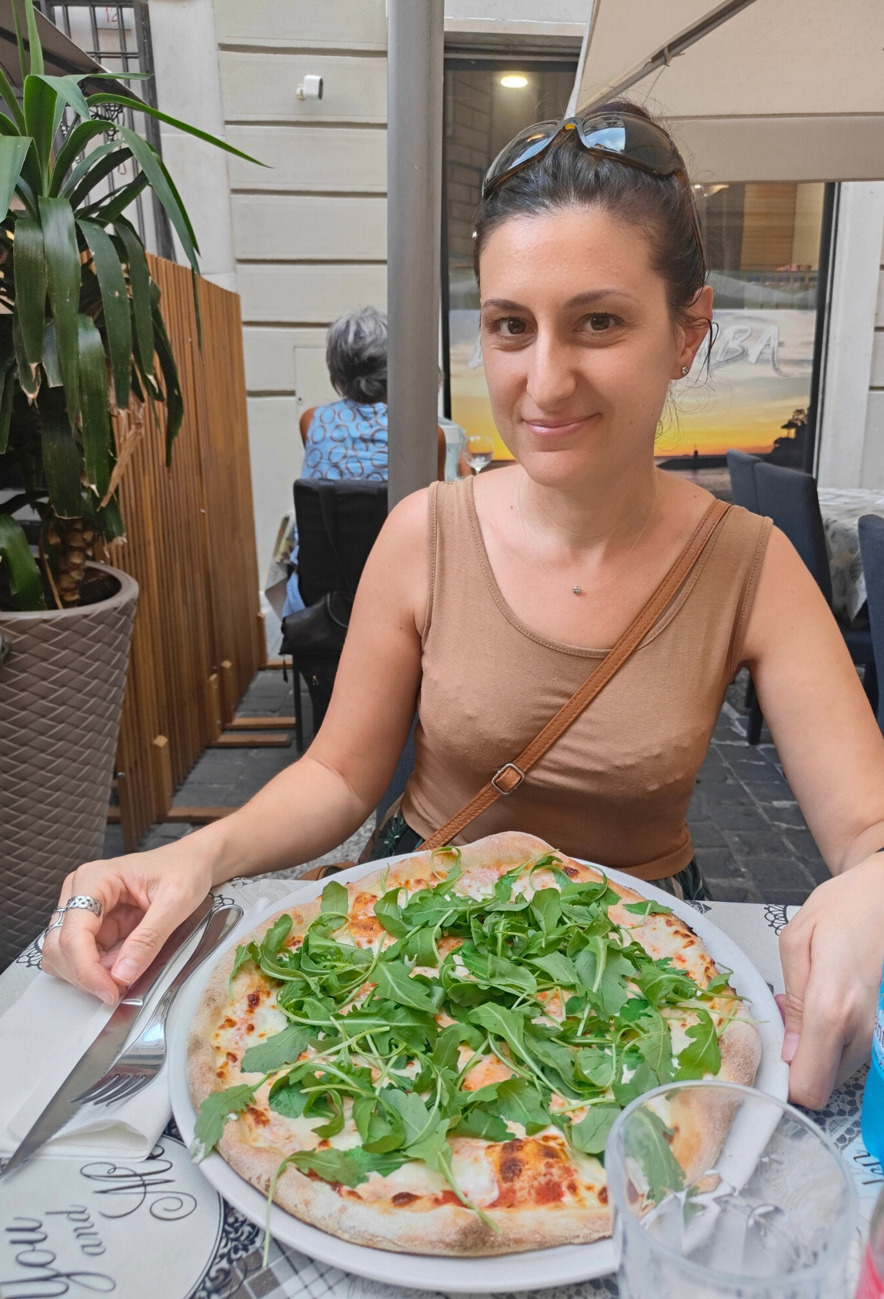
Now that you know how to read an Italian menu like a pro, it's time to choose where to go. And in Italy, each type of place has its own specific character: its specialty, atmosphere, and style.
- Il ristorante: the "classic" restaurant, usually more elegant, with full table service. The perfect choice for a somewhat special occasion.
- La trattoria: simpler and more family-oriented, often run by the same family for generations. The food is traditional and generous, with a relaxed atmosphere.
- L'osteria: originally, a simple place to have a drink and enjoy a few bites. Today, many resemble trattorie, serving authentic, no-frills Italian food.
- L'enoteca: the Italian "wine bar." You mainly go there to taste wines, often accompanied by sharing boards of cured meats and cheeses. Originally, these were more like wine shops, but today you can also eat on-site.
- La pizzeria: no translation needed! Just keep in mind that some pizzerias focus exclusively on pizza, while others offer a full menu. Perfect for people who don't like pizza or follow a specific diet.
- Il bar: this is where you have your caffè or cappuccino in the morning, enjoy an aperitivo at the end of the day, or stop for a quick break (and by the way, Italians love having their coffee standing at the counter!).
Once you've chosen the place, all that's left is to order without feeling stuck for words. Here are a few phrases worth knowing:
- Un tavolo per due, per favore. — A table for two, please.
- Posso avere il menù? — Can I have the menu?
- Vorrei ordinare, per favore. — I'd like to order, please.
- Per me... — For me... (practical and simple when it's time to say what you've chosen)
- Scusi! — Excuse me! (to get the server's attention)
- Posso avere ancora del pane/dell'acqua? — Could I have some more bread/water?
- Il conto, per favore. — The bill, please.
That's enough to get through your entire order without stress — and for essential expressions of politeness and Italian conviviality, head to Part 4!
Italian Table Etiquette and Vocabulary
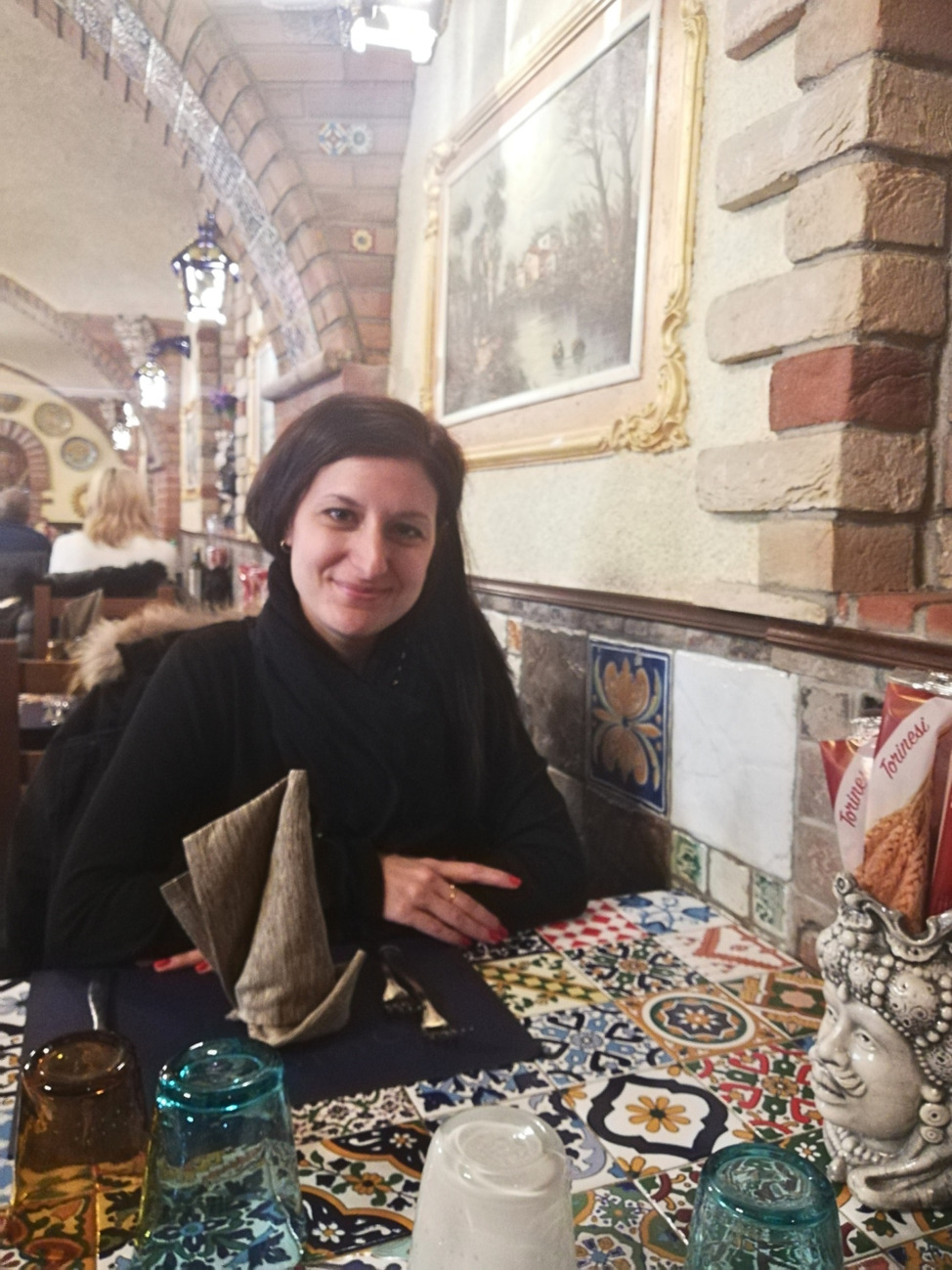
Once you're seated, even before the first course arrives, it's worth taking a quick look around your table.
Here's how to put a name to everything around you:
- Il piatto — the plate (and if you want to be precise: piatto piano for a flat plate, piatto fondo for a deep plate)
- La forchetta — the fork
- Il coltello — the knife
- Il cucchiaio — the spoon
- Il cucchiaino (which you won't see on the table until dessert arrives — cucchiaio with the suffix -ino meaning "small")
- Il bicchiere — the glass
- La tovaglia — the tablecloth
- Il tovagliolo — the napkin
- La tazza — the cup
A small detail that may surprise you: unlike in France, bread is served at the beginning of the meal, along with grissini, usually placed in a basket in the center of the table, ready to be shared — giving diners something to enjoy while they wait for their dishes to arrive.
Another thing to keep in mind: if you need something, don't hesitate to ask!
For example, you can say:
- Potrebbe darmi un altro tovagliolo, per favore? — Could you give me another napkin, please?
- Potrei avere un po' di sale, per favore? — Could I have some salt, please?
And to wrap up this special moment at the table, you can't miss the famous cin cin, or salute (cheers) — the simple ritual of raising your glass together, a small gesture that says a lot about the importance of sharing in Italian culture.
Essential Italian Expressions to Know at the Table
Beyond practical vocabulary, a meal in Italy is also about good manners and the little phrases that shape the experience. So you can leave with a few good habits of Italian etiquette — without forgetting those colorful food-related expressions that Italians often use in everyday conversation!
Basic Polite Expressions
- Buongiorno / Buonasera — Hello / Good evening (used when arriving)
- Salve — somewhere between ciao and buongiorno: neither too casual nor too formal
- Buona giornata / Buona serata — Have a good day / Have a good evening (used when leaving)
- Grazie — Thank you
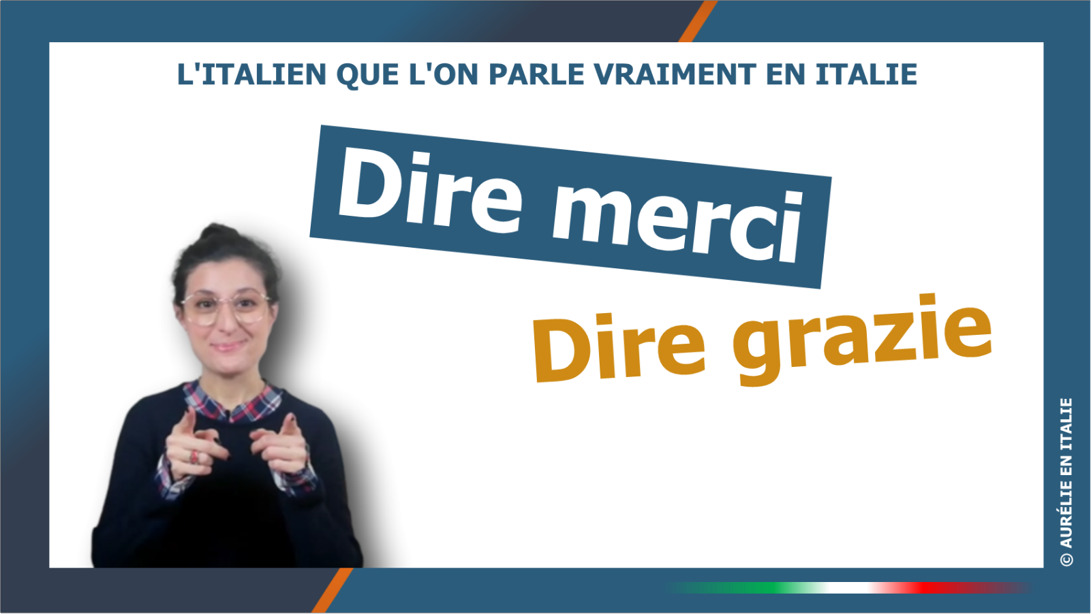
- Prego — You're welcome (the "default" response to thank you) — and if you want to explore all the nuances of how to say thank you in Italian, this blog post is for you
- Figurati / Si figuri — a more casual way of saying "don't mention it" (figurati when using tu, si figuri when using the formal Lei) and especially useful if you want to blend in with the locals
When Food Becomes Part of Everyday Language
Italians love to slip food-related expressions into everyday conversations, even far away from a restaurant. Knowing a few of them is also a great way to better understand Italian humor and everyday life:
- Non è pane per i miei denti — literally "it's not bread for my teeth," used to say that something is too difficult or not suited to you
- Avere le mani in pasta — "to have your hands in the dough," meaning that you're involved in a situation or project
- Tutto fa brodo — "everything makes broth," the equivalent of "everything helps" or "it's all useful" (anything can come in handy)
- Essere come il prezzemolo — "to be like parsley," used to describe someone who is always everywhere, much like this herb that appears in so many Italian dishes
- Avere il prosciutto sugli occhi — "to have ham over your eyes," meaning that you don't see, or don't want to see, an obvious and clear reality.
FAQ: Frequently Asked Questions About Dining Etiquette in Italy
Is the coperto mandatory?
Yes, in the vast majority of Italian restaurants, the coperto is automatically added to the bill — you generally can't avoid it by refusing it at the table, unlike an optional service charge. It covers the bread, the use of the table and place settings, regardless of what you order.
Should you leave a tip in Italy?
Unlike in some other countries, tipping is not mandatory in Italy — it isn't built into everyday dining habits in the same way it may be elsewhere. If you enjoyed the service, you can leave a few coins or round up the bill, but no one will ask you for a tip or expect a specific percentage. And if someone does ask for one or insists that you leave a tip, know that you are completely within your rights to decline or simply not leave one: tipping is always optional, never mandatory.
How does payment work at the end of the meal?
In Italy, it's common to pay directly at the register rather than at the table. Once you've finished your meal, you ask the server for the conto (the bill), then head to the register to pay.
Are there any "culinary rules" to follow in Italy?
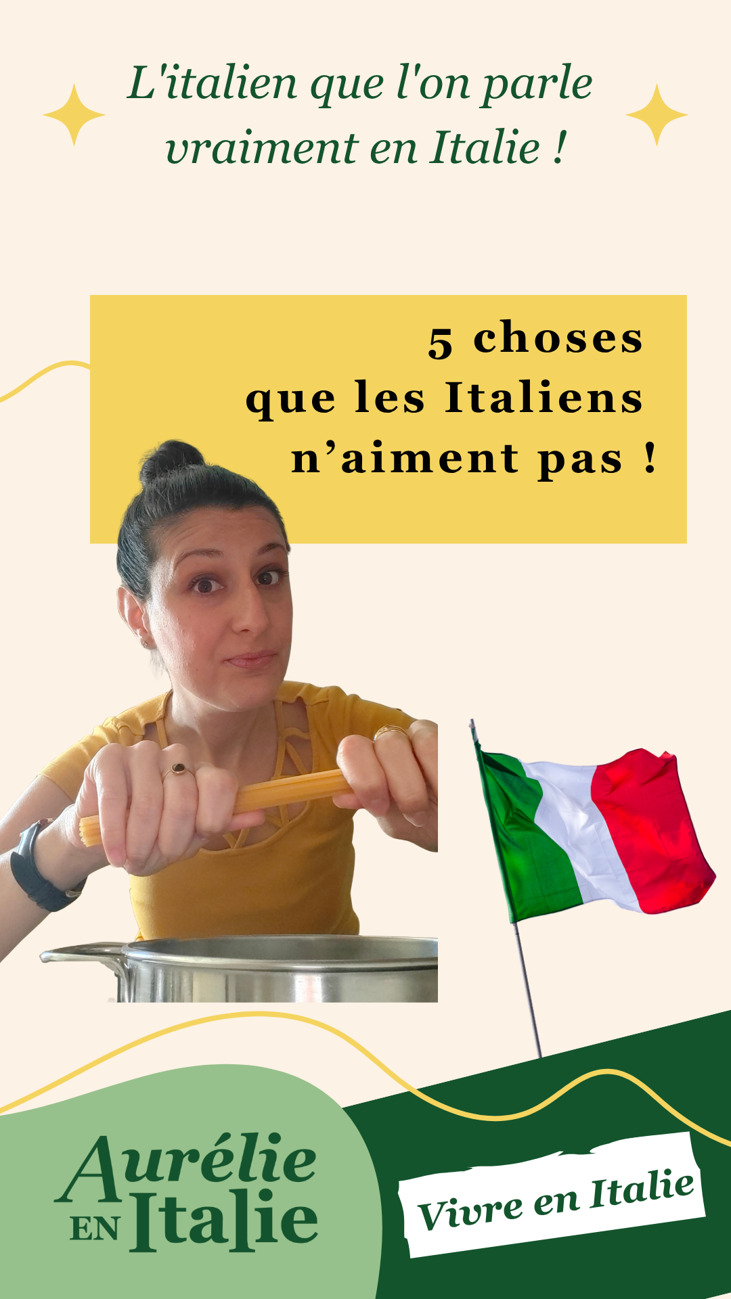
Not really rules, but rather deeply rooted habits that can come as a surprise if you're not prepared — like breaking spaghetti before cooking it… that's really not recommended… I share more about it in this Instagram video — you may recognize yourself in some of these habits!
There you have it — you now have everything you need to enjoy a true Italian-style meal without stress or struggling to find the right words. From the menu to the bill, from "cin cin" to "grazie mille," you now know how to make yourself understood — and, most importantly, how to fully enjoy the experience at the table.
Want to go beyond dining vocabulary? Discover my Italian courses and build confidence in your conversations — not just at the restaurant!
Aurélie is the founder of www.aurelieenitalie.com.
Franco-Italian, she has been living in Italy since 2014 and shares her passion for the Italian language and culture.
Her teaching is designed for French speakers who want to learn the Italian that is actually spoken in Italy: authentic, practical Italian inspired directly by her everyday life and experiences in the country of Dolce Vita.
👉 Ready to unlock your Italian?
- Discover her courses and subscribe to her newsletter at www.aurelieenitalie.com
- Join her community on Instagram or Facebook!
Read also: The Art of Italian Hospitality: The Complete Guide to Creating Unforgettable Dinner Parties

Let’s talk together!