 EN
 IT
 FR

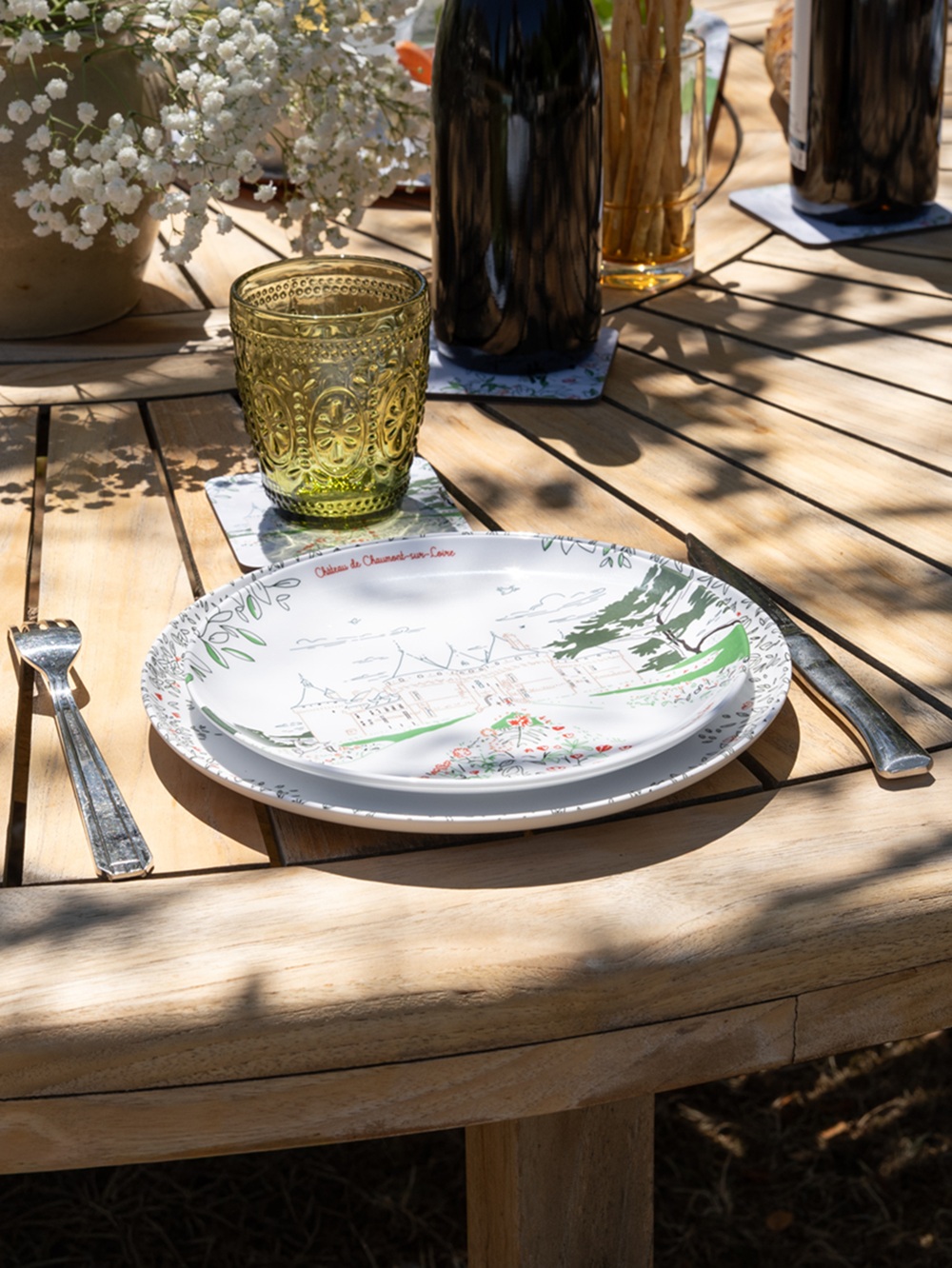
In summer, the table moves out of the dining room. It finds a new home under a pergola, at the bottom of the garden, on the patio, or by the pool. Meals last longer, guests arrive with a dish or a bottle of wine, and the kids run back and forth between games of soccer.
It's the season when the Italian art of entertaining truly comes into its own: a table full of family and friends, dishes passed around, and nobody watching the clock.
But one practical question remains: what should you put on the table? Your family's fine china doesn't fare well on stone patios or in little hands. Disposable tableware, on the other hand, lacks elegance. Somewhere in between, one material makes its way back onto garden tables every summer: melamine. Here's why it deserves a place at your table, and how to choose the right kind.
Table of Contents
Summer Brings a Change of Scenery to the Table
In Italy, summer is the season for long, leisurely meals outdoors. Sunday lunch stretches into the afternoon beneath a fig tree, the tavolata (a long communal table) extends under the olive trees, and on August 15, Ferragosto, entire families gather outside for a meal that lasts all afternoon.
But entertaining outdoors changes the rules. The ground may be stone, gravel, or tile. There are countless trips between the kitchen and the garden, arms loaded with food and drinks. A gust of wind can send things flying from the edge of the table, and kids sometimes eat on the go. By the pool, glass and porcelain are best avoided: one shard in the water or on a barefoot walkway can bring the party to an abrupt end.
Summer dinnerware therefore needs to tick several boxes at once: it must be durable, easy to carry, effortless to clean, and beautiful to look at. That's exactly where melamine shines.
Why Melamine Is Ideal for Outdoor Entertaining
It Stands Up to Drops
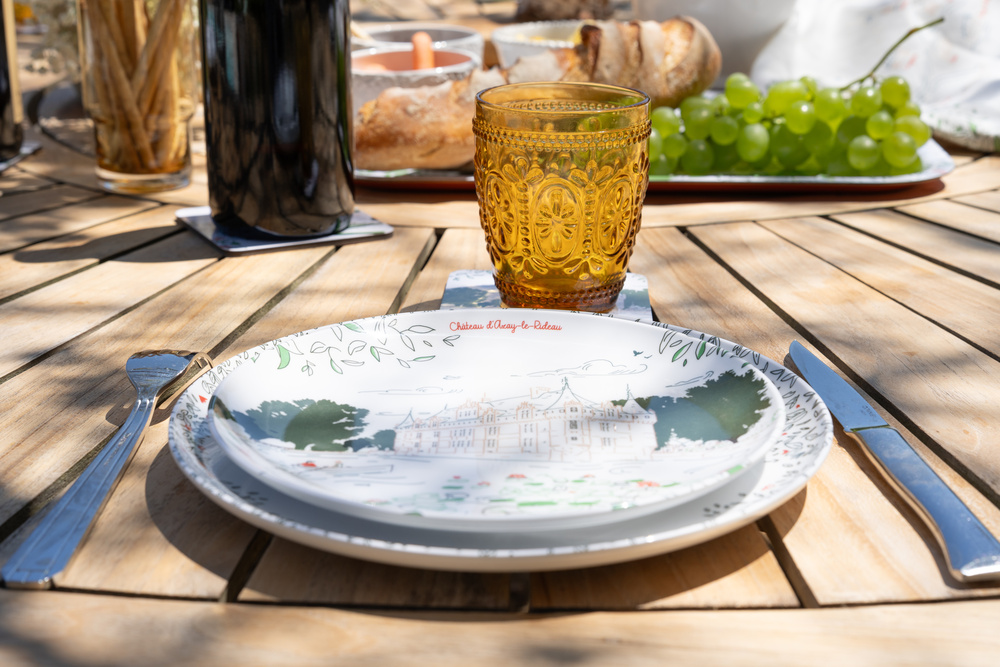
Melamine dinnerware is made from a thermosetting resin. Once molded and cured under pressure, it becomes rigid and highly impact-resistant. A plate that slips from your hand or falls onto the patio is far more likely to survive intact than a porcelain one. This durability helped make melamine a favorite as early as the 1950s, from picnic tables to vacation homes.
It's Lightweight
A 8.3-inch melamine dessert plate weighs around 5.3 ounces. You can carry a stack of eight in one hand, which makes a real difference when the kitchen is at the other end of the garden. Kids can help set the table without anyone holding their breath.
It's Dishwasher-Safe
After a long lunch with fifteen guests, nobody feels like washing dishes by hand. Quality melamine dinnerware is dishwasher-safe, and its designs, when protected by a glazed finish, stay vibrant wash after wash.
It Looks Like Beautiful Dinnerware
Forget those dull-looking camping plates. Well-crafted melamine has the smooth feel of fine ceramic and features crisp, colorful illustrations. It pairs effortlessly with a linen tablecloth, stemmed glasses, or vintage flatware. The result is a thoughtfully styled table with a more relaxed feel.
What to Serve on Melamine—and What to Avoid
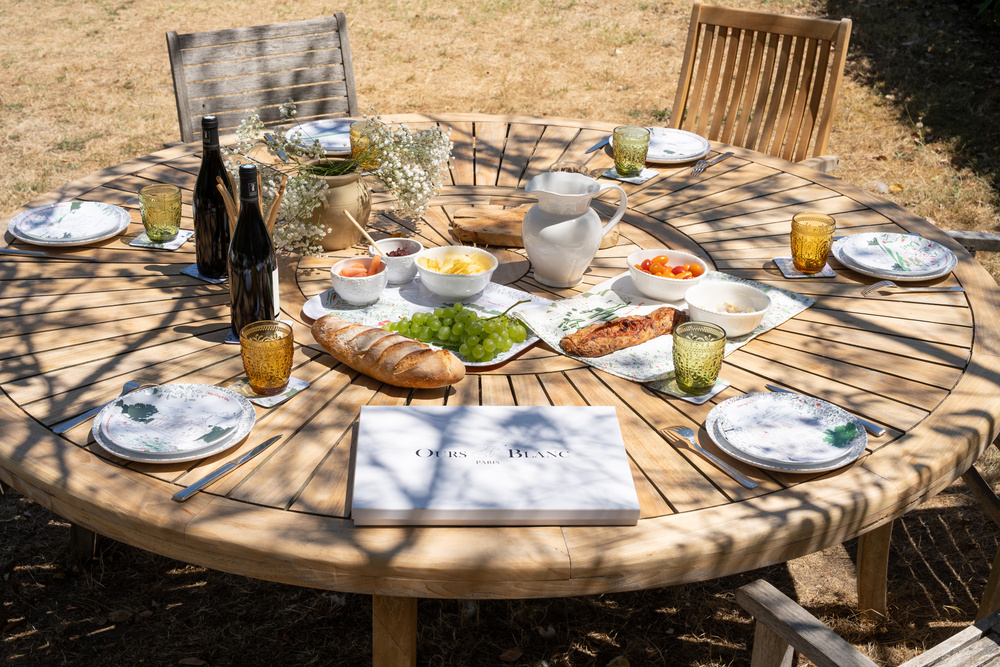
The good news is that summer cooking and melamine are a perfect match. Foods best enjoyed cold, lukewarm, or at room temperature are right at home on melamine dinnerware:
- antipasti, cured meats, and cheeses for aperitivo;
- salads, tomato and burrata, melon, and prosciutto di Parma;
- watermelon, peaches, and fresh berries;
- tiramisu, panna cotta, and afternoon treats for the kids, inspired by the Italian tradition of merenda.
Two simple rules will help you use melamine with confidence. First, never put it in the microwave or oven: melamine is designed for serving food, not cooking or reheating it. Second, avoid prolonged contact with very hot foods. Germany's Federal Institute for Risk Assessment (BfR) recommends keeping food-contact temperatures below 70°C (158°F). For pasta straight from the pot, use a large ceramic serving dish and save melamine for appetizers, salads, and desserts. For more information, read our full article on the safety of melamine dinnerware.
How to Choose the Right Melamine Dinnerware
Not all melamine dinnerware is created equal. A few key criteria can help you tell the difference.
Country of origin. In Europe, melamine dinnerware is governed by Regulation (EU) No. 10/2011, which sets strict limits for all plastics that come into contact with food. Imports from China and Hong Kong have been subject to increased border controls since 2011, following repeated cases of non-compliance. Dinnerware manufactured in Europe is produced under these standards from the very start.
Thickness. A plate that is slightly thicker and heavier than budget alternatives feels more substantial in your hand and offers even greater resistance to drops.
Design. Look for glazed illustrations that can withstand dishwasher cycles without fading.
Composition. Be wary of so-called “bamboo” dinnerware. It is actually melamine mixed with plant fibers, a combination that is not permitted under European regulations and has been withdrawn from sale since 2021. Quality melamine dinnerware does not contain these fibers.
A Summer Table That Tells a Story
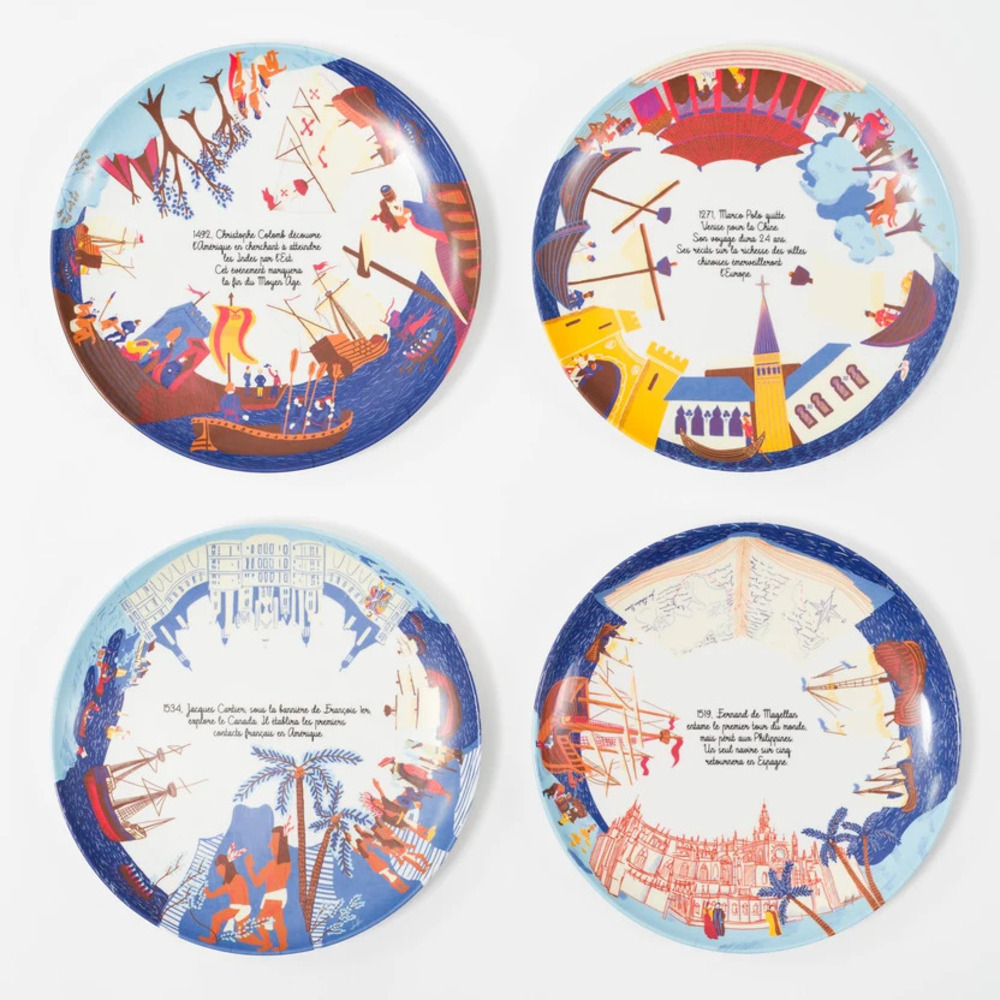
At Ours Blanc Paris, we chose melamine for a simple reason: our plates tell stories, and we wanted them to be part of everyday meals, with children and in the garden, without worrying about breakage. Our Italian-made melamine dinnerware, produced near Milan, reflects our commitment to quality: a thick, durable material, glazed illustrations, and designs made for serving sweet treats, cold dishes, and lukewarm foods.
And Italy is never far from the stories our plates tell. Our Great Explorers dinnerware set features Venetian explorer Marco Polo, who set out for Asia in 1271, and Genoese navigator Christopher Columbus, alongside Ferdinand Magellan and Jacques Cartier. Our Loire Valley châteaux plates, meanwhile, reveal fascinating Franco-Italian stories: Catherine de' Medici, born in Florence, commissioned the famous gallery at Château de Chenonceau, which spans the River Cher, while Leonardo da Vinci spent his final years in Amboise, where he was welcomed by King Francis I.
Set on a summer table, these plates do what any great Italian gathering should: get the conversation flowing. There is always someone asking who Magellan was or why Leonardo da Vinci spent the end of his life in the Loire Valley.
Ideas for an Italian-Inspired Summer Table
- Serve dishes family-style. Place large serving platters in the middle of the table and stacks of plates at each end. Everyone can help themselves, turning the meal into a true moment of sharing.
- A natural linen tablecloth. It can handle tomato and olive oil stains, and a few natural wrinkles are part of its charm.
- Bring the garden to the table. A few olive branches, lemons in a bowl, and a sprig of rosemary tied around the napkins let nature do most of the decorating.
- Candles sheltered from the breeze. Place candles in sturdy glass holders or lanterns at the center of the table to keep the evening going as the sun sets.
- A pitcher of lemon water. Add a few mint or basil leaves for a refreshing touch that brightens the table and delights your guests.
The Bottom Line
Summer entertaining means letting the table come to life: moving outdoors, passing dishes around, laughing over a meal, and sometimes chasing after the kids. Melamine is perfectly suited to this relaxed way of hosting. Lightweight, durable, and easy to care for, it lets you create a beautiful table without worrying every time a plate slips. Choose quality dinnerware made in Europe, and use it for cold or lukewarm foods, and it becomes the perfect companion for long summer gatherings.
About Ours Blanc Paris
Ours Blanc Paris creates illustrated plates, trays, and coasters that bring history to the table, from the châteaux of the Loire Valley and the great explorers to French inventions and Notre-Dame de Paris. Each piece is designed to look beautiful on the table and spark conversations across generations.
Also read: The Art of Italian Entertaining: The Complete Guide to Creating Unforgettable Dinner Parties


Let’s talk together!