 EN
 IT
 FR


Are you having friends or family over for dinner and would love to prepare an Italian-inspired meal? The only question is which menu to choose to delight your guests without spending the entire evening in the kitchen. From antipasti and pasta to dessert, there are plenty of possibilities. The key is finding the right balance between delicious food, simplicity, and good planning.
Imagine a still-warm focaccia, fragrant with rosemary, placed in the center of the table for everyone to tear off a piece. A few antipasti accompany the aperitivo, followed by a generous serving of pasta. To finish, a homemade tiramisù has been waiting patiently in the refrigerator. Glasses are refilled, conversations flow, and dinner stretches into the evening without anyone feeling the need to check the time.
That's the essence of a successful Italian meal: quality ingredients, flavorful dishes, and thoughtful planning that allows the host to enjoy the company of their guests. There's no need to prepare endless recipes or create an elaborate menu to make a dinner feel special.
In this article, I'll share an easy Italian dinner menu you can prepare at home when hosting friends and family. On the menu: rosemary focaccia to share with a selection of antipasti, trofie with pesto Genovese or authentic Roman carbonara, depending on your preference, followed by an Amaretto tiramisù for a delicious finish. Approachable recipes, pairings that work beautifully together, and a few practical tips to help you plan your dinner without the stress.
Because hosting the Italian way is first and foremost about enjoying time together, not spending the entire evening keeping an eye on the stove.
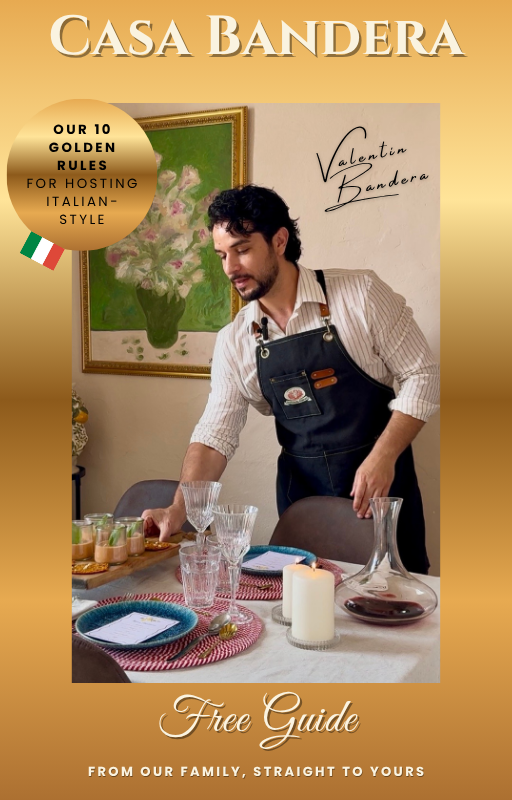
Free Guide: 10 Golden Rules for Hosting Italian-Style

“It was my Nonna who first taught me the joy of putting together simple, generous meals. Still-warm focaccia, fragrant pasta, a tiramisù made ahead of time… That was all it took to bring everyone together around the table and make the evening last a little longer.”
— Casa Bandera, from our Famiglia to yours
Table of Contents
Why an Italian Menu Is Perfect for Entertaining
If Italian meals tend to leave such wonderful memories, it's not necessarily because the recipes are sophisticated or the table is overflowing with dishes. Their real charm lies in the balance between quality ingredients, generous portions, and the pleasure of sharing good food. A handful of carefully chosen ingredients, a well-executed recipe, and thoughtful presentation can be all it takes to give a dinner plenty of character.
That's also what makes Italian cuisine particularly well suited to dinner parties with friends and family. Many dishes can be prepared ahead of time, some are easy to serve on large platters placed in the center of the table, and traditional recipes offer plenty of variety. You can put together a delicious menu without adding endless steps or making the preparation unnecessarily complicated.
Picture an Italian-style table setting, still-warm focaccia to share, a generous pasta dish brought straight to the table, and a few glasses of wine to accompany the meal. Guests help themselves, conversations flow naturally, and everyone takes the time to enjoy the moment. Food becomes the perfect excuse to bring people together.
That's precisely the spirit of the Italian Art of hosting: there's no need to impress at all costs. What matters is creating the right atmosphere for a relaxed and generous meal. By preparing part of the menu ahead of time and choosing recipes suited to the number of guests, you can spend more time enjoying their company. After all, the host should be part of the evening, too.
An Easy Italian Dinner Menu for Entertaining
When putting together an easy Italian dinner menu, there's no need to plan an endless succession of courses. You can take inspiration from the traditional structure of an Italian meal and focus on three main courses: an antipasto to welcome your guests, a primo to form the heart of the meal, and a dessert to finish on a sweet note.
This approach gives each dish room to shine without making dinner feel too heavy. The antipasto accompanies those first conversations around the table, the pasta brings everyone together, and dessert provides a finishing touch everyone will appreciate. The secret is simply to choose recipes that complement one another and plan their preparation carefully.
Here's an example of a menu you can easily adapt to the season, the number of guests, and your own preferences:
- Antipasto: homemade rosemary focaccia served with Italian cured meats, burrata, cherry tomatoes, and olives.
- Primo: trofie with pesto Genovese for a taste of Liguria, or authentic Roman carbonara for a more traditional Roman-inspired dinner.
- Dessert: homemade Amaretto tiramisù, prepared ahead of time and kept chilled until ready to serve.
This menu brings together generous dishes that naturally complement one another. Most of the focaccia and antipasti can be prepared before your guests arrive, while the tiramisù is actually better when made a few hours in advance. That leaves only the pasta and its sauce to prepare at the last minute, so you can serve everything piping hot.
Antipasto: Focaccia to Share

When it comes to starting a meal, it's hard to resist homemade focaccia fresh out of the oven. Its lightly golden crust, soft and airy interior, and fragrant rosemary make it the perfect centerpiece for the table. Cut into squares or strips, it's easy to share while guests enjoy their first drinks and conversations begin to flow.
To give it even more character, you can add green olives and a few cherry tomatoes before baking. Once the focaccia is ready, serve it with a selection of antipasti featuring complementary textures and flavors:
- Italian cured meats: prosciutto, coppa, or salame, depending on your taste and your guests' preferences.
- Burrata: its creamy texture adds a lovely richness and contrasts beautifully with the focaccia's crisp exterior.
- Cherry tomatoes: fresh, ripe, and full of flavor, they bring a welcome touch of freshness.
- Green olives: the perfect addition to complete this Mediterranean-inspired spread.
Arrange everything on a large serving board or in several small dishes, leaving enough room for everyone to help themselves. You can also finish with a drizzle of extra virgin olive oil just before serving. The idea isn't to overwhelm your guests with too much food before the main course, but to invite everyone to ease into the meal in a relaxed atmosphere.
Preparing the focaccia ahead of time also gives you the opportunity to arrange the other antipasti at your own pace. If needed, simply warm it slightly before serving to bring back its soft texture and wonderful aromas.
Discover Our Easy Traditional Focaccia Recipe
Primo: Trofie with Traditional Genovese Pesto

After the antipasti comes the primo, one of the highlights of a traditional Italian meal. For this course, trofie with Genovese pesto is an excellent choice. Originally from Liguria, these small twisted pasta shapes are particularly well suited to pesto. Their distinctive shape allows the sauce to cling beautifully to every bite.
Traditional Genovese pesto brings together fresh basil, pine nuts, garlic, Parmigiano Reggiano, Pecorino, olive oil, and salt. When prepared properly, it offers a wonderful balance of fresh basil, rich cheese, and the fruity notes of olive oil.
This dish is particularly convenient when you're hosting because the pesto can be prepared ahead of time. That way, you can spend time with your guests during aperitivo before cooking the trofie just before sitting down to dinner. Simply toss the pasta with the pesto, adding a little pasta cooking water if needed to achieve a smooth, creamy consistency. One important detail: avoid heating the pesto directly over high heat, as this can diminish some of the basil's delicate aromas.
The result is a generous, fragrant, and elegant dish that requires very little last-minute preparation. Served in a large sharing platter or plated individually, trofie with Genovese pesto brings an authentic taste of Liguria to your dinner table.
Discover Our Easy Homemade Trofie with Genovese Pesto Recipe
Alternative: Authentic Roman Carbonara

If you'd like to serve something with a little more character, Roman carbonara is an excellent alternative to trofie with pesto. A true classic from the Lazio region, it's loved for its perfect balance of rich guanciale, bold Pecorino Romano, and the fresh bite of black pepper.
The traditional recipe calls for just a handful of ingredients: pasta, guanciale, eggs, Pecorino Romano, and black pepper. No heavy cream, no smoked bacon. The secret lies in the quality of the ingredients and, above all, in mastering the technique. The eggs and cheese come together into a silky sauce using the residual heat of the pasta and a little pasta cooking water. There's simply no need for cream.
For a dinner with friends, this recipe offers a delicious and authentically Roman experience, provided you prepare it just before serving. Cooking the pasta and tossing it with the sauce require a little attention, so it's best to have all your ingredients ready and your guests seated before you begin. Carbonara should be enjoyed immediately, while the sauce is still silky and beautifully coats every strand of pasta.
If you'd like to introduce your guests to one of Rome's most iconic dishes, this is a wonderful choice. And if you want to get that perfectly creamy texture without falling into the most common mistakes, you'll find all the details in our recipe.
Discover Our Easy Authentic Italian Carbonara Recipe
Wine and Drink Pairings for Your Italian Dinner
A good wine can bring another dimension to your Italian menu. It complements the flavors of each dish, balances richer ingredients, and adds to the pleasure of the meal. But you don't need to be a wine expert to make thoughtful choices. A few simple guidelines are all it takes to find harmonious pairings based on the ingredients and intensity of each dish.
- Focaccia and antipasti: A crisp Prosecco Brut brings freshness to the table and pairs beautifully with those first bites. A light, dry white wine is another excellent choice, especially alongside vegetables and olive oil-based dishes.
- Trofie with Genovese pesto: A Ligurian Vermentino is a particularly fitting choice for this regional dish. Its freshness and aromatic notes complement the basil, olive oil, and cheeses in the pesto beautifully. Another crisp, dry white wine will work just as well.
- Roman carbonara: Choose a dry white wine with enough freshness to balance the richness of the guanciale and Pecorino. A dry-style Frascati makes a lovely regional pairing.
- Amaretto tiramisù: An espresso is a classic and well-balanced accompaniment. If you prefer wine, a small glass of Vin Santo is another lovely option, keeping in mind that its sweetness should complement the dessert.
You don't need to open a different bottle for every course. For a relaxed dinner with friends, one good dry white wine can accompany several dishes, particularly if you choose the trofie with pesto. What matters most is serving a wine you genuinely enjoy at the right temperature and allowing everyone to savor the meal at their own pace. Remember to place chilled water on the table and offer a nonalcoholic alternative for your guests, too.
If you'd like to explore the subject further, take a look at our guide to pairing Italian wines with the dishes on your dinner menu. You'll find more inspiration for putting together a well-balanced selection to complement your menu.
These thoughtful details help transform an ordinary meal into a truly memorable Italian experience at home, where good food, meaningful conversations, and the pleasure of hosting naturally come together.
Dolce: Amaretto Tiramisù

To bring the meal to a close, there's one of Italy's most beloved desserts: tiramisù. With its generous mascarpone cream, delicate coffee-soaked ladyfingers, and light dusting of cocoa, it makes a wonderfully indulgent finale to your menu. In this version, Amaretto adds a subtle almond note that pairs beautifully with the rich aromas of coffee.
It's also an especially convenient dessert when you're hosting. Unlike dishes that require baking or last-minute plating, tiramisù can be prepared ahead of time and left to chill in the refrigerator for several hours. You can even make it the day before, keep it refrigerated, and focus on the rest of your dinner preparations.
When it's time to serve, all you need to do is take the dessert out of the refrigerator and add a final dusting of cocoa, if needed. Whether presented in one large dish for everyone to share or in individual glasses, it fits perfectly into the relaxed, convivial spirit of an Italian meal.
This little detail can make a real difference when planning your evening. While your guests enjoy dessert, there's no need to disappear into the kitchen to prepare one last dish. You can simply stay at the table and savor the moment with them.
Discover Our Easy Amaretto Tiramisù Recipe
Ultimately, the success of an Italian dinner doesn't depend on how many recipes you serve or how elaborate your menu is. It also comes down to how thoughtfully you've planned each course so you can truly enjoy your guests. A focaccia to share, a delicious pasta dish, and a dessert prepared ahead of time are more than enough to create an evening everyone will remember fondly.
How to Plan This Italian Menu without The Stress
A menu may look simple on paper, but things can quickly become more complicated when every dish needs to be prepared at the last minute. That's often where the difference lies between an enjoyable dinner to host and an evening spent constantly going back and forth between the kitchen and dining room.
To avoid this, the best approach is to spread your preparations across several stages. Some recipes, such as tiramisù and Genovese pesto, can be made ahead of time. Other ingredients can be washed, chopped, or arranged before your guests arrive. That way, you'll only have to focus on the few tasks that genuinely need to happen at the last minute, especially cooking the pasta.
The secret to an easy-to-manage Italian dinner menu isn't about how quickly you can get things done. It's all about planning ahead. Here's how to organize your preparations so you can enjoy your dinner without feeling like you're racing against the clock.
The Day Before

The day before your dinner is the perfect time to take care of any preparations that keep well and don't need to be done just before serving. By setting aside a little time at this stage, you'll save yourself several tasks on the day and feel much more relaxed when your guests arrive.
- Make the Amaretto tiramisù: This gives it plenty of time to chill in the refrigerator and develop its signature creamy texture.
- Prepare the Genovese pesto: Store it in an airtight container in the refrigerator, with a thin layer of olive oil on top to help prevent oxidation. Remember to take it out a little before using it.
- Check your ingredients: Make sure you have everything you need for all the recipes, including drinks, coffee, and any additional accompaniments.
- Get organized: Check your dinnerware, serving dishes, and kitchen utensils to make sure everything is ready. You can also set the table in advance if that will save you time the following day.
Take this opportunity to go over your recipes and identify which steps will need to be completed on the day of the dinner. That way, you'll know exactly what's ahead and avoid any last-minute surprises in the kitchen.
Your tiramisù will already be waiting in the refrigerator, the pesto will be ready for the pasta, and much of the planning will already be taken care of. On the day of your dinner, you'll be able to focus on the focaccia, the final preparations, and, most importantly, welcoming your guests.
Before Your Guests Arrive
A few hours before dinner, focus on the preparations that need a little extra time, especially the focaccia. Plan ahead according to the rising and baking times in your recipe. If you would like to serve it while it is still warm, try to time it so it comes out of the oven around the time your guests arrive, without putting yourself under pressure to stick to an exact schedule.
While the dough rests and the focaccia rises, you can leisurely prepare the antipasti. Arrange the Italian cured meats on a wooden board or serving platter, wash and prepare the cherry tomatoes, then set out the olives and other accompaniments. Keep fresh ingredients in the refrigerator and take the burrata out at just the right moment to preserve its freshness.
This is also a good time to prepare the drinks, make sure your serving dishes are ready and put the finishing touches on your table decor. Once these details are taken care of, you won't have to rush around in every direction when your guests walk through the door. The table is set, the first courses are ready to go, and you can focus on making everyone feel welcome.
During Dinner
By the time your guests arrive, most of the work is already behind you. You can welcome them at your own pace, offer them a drink and invite them to enjoy the focaccia and antipasti. As the evening gets underway, conversations begin to flow naturally, and everyone takes their time enjoying what's on the table.
This is also the moment to finish any dishes that need to be prepared just before serving. If you've chosen trofie with pesto, simply cook the pasta, then toss it with the pesto you prepared the day before and a little pasta water to create a beautifully emulsified sauce. If you've opted for Roman-style carbonara, prepare it just before serving to preserve its wonderfully creamy texture.
Either way, there's no need to plan for lengthy preparations once dinner begins. Cooking the pasta and completing the final steps of the recipe are usually all it takes to have the main course ready while your guests enjoy the antipasto. Just make sure all your ingredients and utensils are within easy reach so you don't waste precious time.
Bring the pasta straight to the table as soon as it's ready, then sit back and enjoy the meal with your guests. After the main course, all you have to do is take the tiramisù out of the refrigerator and serve it. Since dessert is already prepared, you can bring the evening to a close without having to spend more time in the kitchen.
That's the difference: you've planned ahead, organized each step and saved only the things that genuinely need to be done at the last minute. This allows you to be present throughout dinner, join the conversations and enjoy the evening yourself. It's one of the essential principles of the Italian Art of hosting: prepare thoughtfully so you can welcome your guests with generosity and spontaneity.
Free Guide: 10 Golden Rules for Hosting Italian-Style
The Little Details That Turn an Ordinary Dinner into an Italian Experience
You've probably experienced this kind of dinner before. Everything seems to unfold effortlessly. The food is delicious, everyone feels at ease, and conversations continue long after dessert. Nothing seems particularly extraordinary, yet you leave with wonderful memories of the evening.
That feeling isn't simply about the quality of the food. It also comes from all the little touches that make up the experience: the way guests are welcomed, how the dishes are presented, the pace of the meal and the atmosphere around the table. On their own, these details may seem insignificant. Together, they give the evening its own personality.
That's precisely what I love about the Italian Art of hosting. Food plays an important role, but it's only one part of the experience. The pleasure of coming together, taking the time to talk and sharing a wonderful meal matters just as much. Here are a few ways to take your dinner beyond simply choosing the right recipes.
A Table That Invites Everyone to Stay

A welcoming table doesn't need to be spectacular. Picture a focaccia that's still slightly warm, a generous platter of pasta to share, a few candles and a bottle of Italian wine within easy reach. The decor is understated, the dishes are easy for everyone to enjoy, and there's enough room for each guest to feel comfortable. It's the kind of simplicity that leaves plenty of room for togetherness.
To create this atmosphere, focus on a practical table setting rather than an elaborate display. Dishes should be easy to pass around, glasses within reach, and guests should be able to talk to one another without an oversized centerpiece getting in the way. Soft lighting and a few natural touches are often all it takes to bring the table to life.
Think about how you welcome your guests, too. Offering them a drink as soon as they arrive, sharing a few words about the menu or simply showing how happy you are to see them all helps everyone feel at ease. These small gestures are what make people want to settle in and enjoy the evening.
The Joy of Sharing
In many Italian families, mealtime is also an opportunity to pass dishes naturally around the table. You offer your neighbor a helping, introduce someone to a local specialty and take the time to talk about what you're enjoying. This way of sharing brings the meal to life and encourages conversation among everyone gathered around the table.
You can easily bring that same spirit into your own home by serving certain dishes in large platters or bowls instead of always preparing individual portions. A focaccia cut into pieces, a platter of antipasti or a generous serving dish of grilled vegetables all invite guests to help themselves and discover the different dishes.
That doesn't mean everything has to be placed in the middle of the table. Some recipes are best served individually, especially when they need to be enjoyed immediately, such as Roman-style carbonara. What matters is choosing a presentation that suits each dish while preserving the generous spirit that makes sharing a meal so special.
The Detail so Many Hosts Overlook
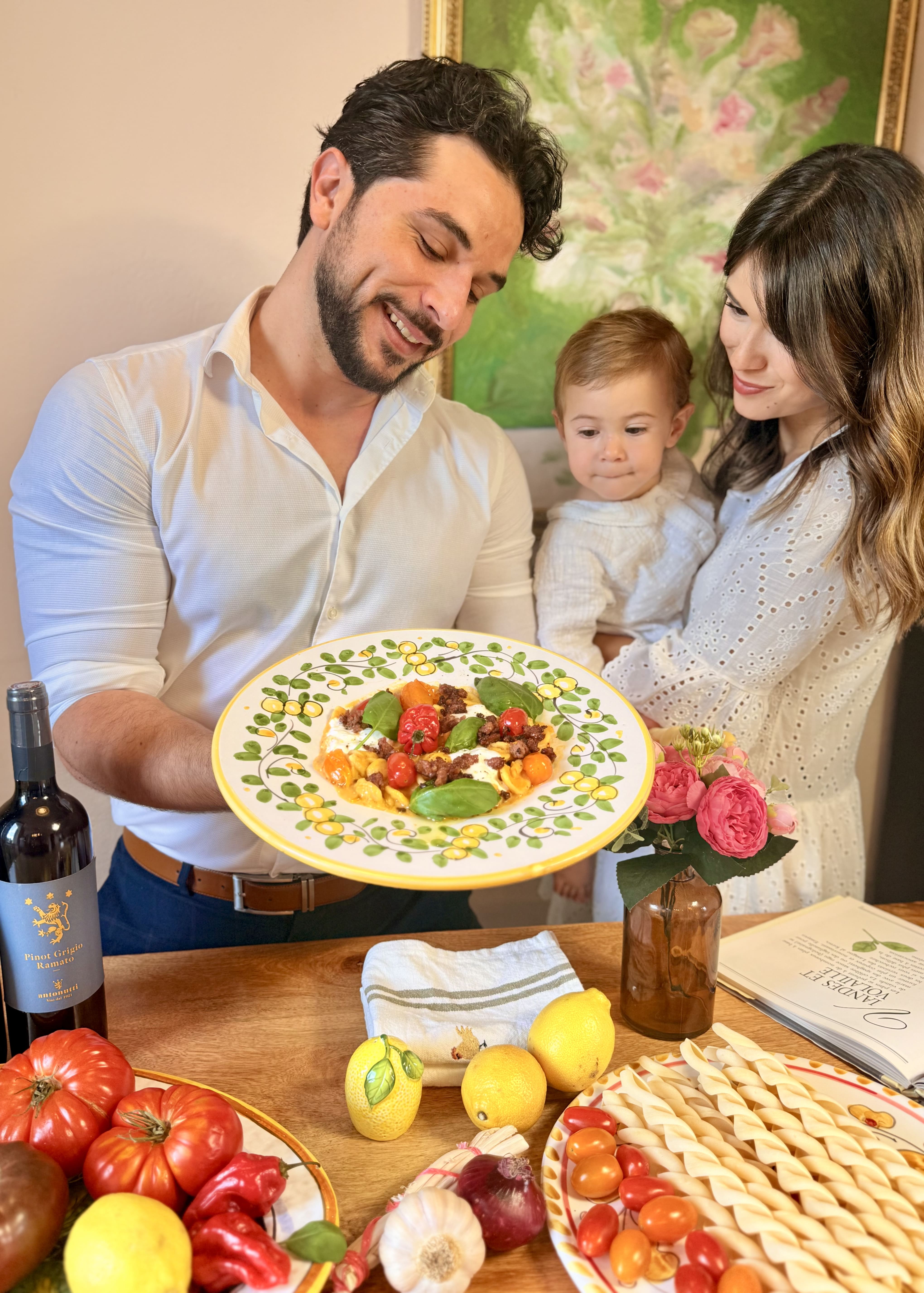
Two people can prepare exactly the same menu, using the same ingredients and recipes, yet give their guests two very different experiences. The difference doesn't necessarily come from the food itself, but from the way the entire meal is planned and enjoyed.
A thoughtful host knows how to find the right rhythm. They avoid rushing the service, allow conversations to unfold naturally and make sure everyone has time to enjoy the meal. They also anticipate the little things guests might need: offering water, bringing out more bread or quietly clearing dishes when the moment feels right.
These gestures don't require any special culinary skills. They're more about observation, consideration for others and good preparation ahead of time. By gradually incorporating them into the way you host, you can make your dinners flow more smoothly and feel more enjoyable without adding extra work.
Over time, you'll discover that a successful evening isn't just about what you serve. It's also about making your guests feel genuinely welcome. This human connection is what gives the Art of hosting its true meaning.
5 Mistakes That Keep an Italian Dinner from Being Truly Memorable
When hosting at home, it's tempting to want to do too much. You picture a menu filled with numerous recipes, plan elaborate decorations and hope to execute every last detail perfectly. But all those preparations can quickly turn an enjoyable occasion into a real source of stress.
When putting together an easy Italian menu to share, there are a few common mistakes worth avoiding. Here they are, along with some tips to help you stay one step ahead:
- Planning too many dishes: preparing more food doesn't necessarily make a meal feel more generous. It's better to serve a few thoughtfully chosen dishes, with portions suited to the number of guests.
- Choosing overly complicated recipes: a dinner with friends isn't the best time to experiment with several cooking techniques you haven't mastered yet. Stick to recipes you know or have already tried at least once.
- Leaving everything until the last minute: this forces you to juggle several tasks while your guests are waiting. Prepare whatever you can the day before and save only the essential finishing touches for dinner day.
- Trying too hard to impress: an elaborate showstopper doesn't guarantee a memorable evening. Think first about your guests' enjoyment and choose a menu that allows you to spend time with them.
- Overlooking the atmosphere around the table: music, lighting, the way dishes are arranged and the warmth of your welcome all contribute to the experience just as much as the food itself.
At the end of the day, a successful Italian dinner isn't a culinary performance. It's a meal you enjoy preparing, serving and sharing. Homemade focaccia, a generous pasta dish, tiramisù made ahead of time and a welcoming table can be more than enough to create a wonderful evening.
Of course, the recipes still matter. But knowing how to organize each step, welcome your guests and set a comfortable pace for the meal makes all the difference. These thoughtful touches are what turn an ordinary dinner into a truly memorable gathering.
And as you gradually master these little habits, hosting will begin to feel much more natural. You'll know what to prepare, when to do it and how to enjoy your guests without feeling the need to control every detail.
Because beyond the dishes you've prepared, it's the conversations, the laughter and the moments shared around the table that people will remember most.
FAQ – Frequently Asked Questions
For a relaxed Italian dinner, you can serve homemade focaccia with a selection of antipasti, a pasta dish such as trofie with Genovese pesto or Roman-style carbonara, followed by Amaretto tiramisù. This menu brings together generous, complementary dishes, several of which can be prepared ahead of time.
A meal built around a shared starter, a generous main course and a make-ahead dessert is an excellent option. For example, you could serve antipasti and focaccia, a large pasta dish or a baked entrée, followed by homemade dessert. The key is to choose recipes that suit the number of guests and the time you have available.
For a dinner party with friends, choose dishes that are easy to serve and enjoyable to share: focaccia, antipasti, homemade pizza, pasta or generous salads. You can also prepare a few small bites for guests to enjoy when they arrive. That way, you'll be able to enjoy the evening without constantly having to return to the kitchen.
Start by choosing an atmosphere or a type of cuisine you love, then build your menu around a main course. For an Italian dinner, you could start with a pasta recipe and pair it with an antipasto and a traditional dessert. Also consider the season, your guests' preferences and how much time you have to prepare the meal.
Plan ahead by preparing anything you can the day before, such as tiramisù and Genovese pesto. On the day of your dinner, make the focaccia and arrange the antipasti before your guests arrive. Save cooking the pasta and the final steps of the recipe for just before serving. This will save you time and allow you to be present throughout the meal.
Also read:
What to Cook When You Have Guests? (15 Easy & Impressive Ideas)
Friendly Meals with Friends: 5 Easy Ideas
The Art of Italian Hosting: The Complete Guide to Creating Unforgettable Dinner Parties

Free Guide: 10 Golden Rules for Hosting Italian-Style


Let’s Talk Together!