 EN
EN  IT
IT  FR
FR 
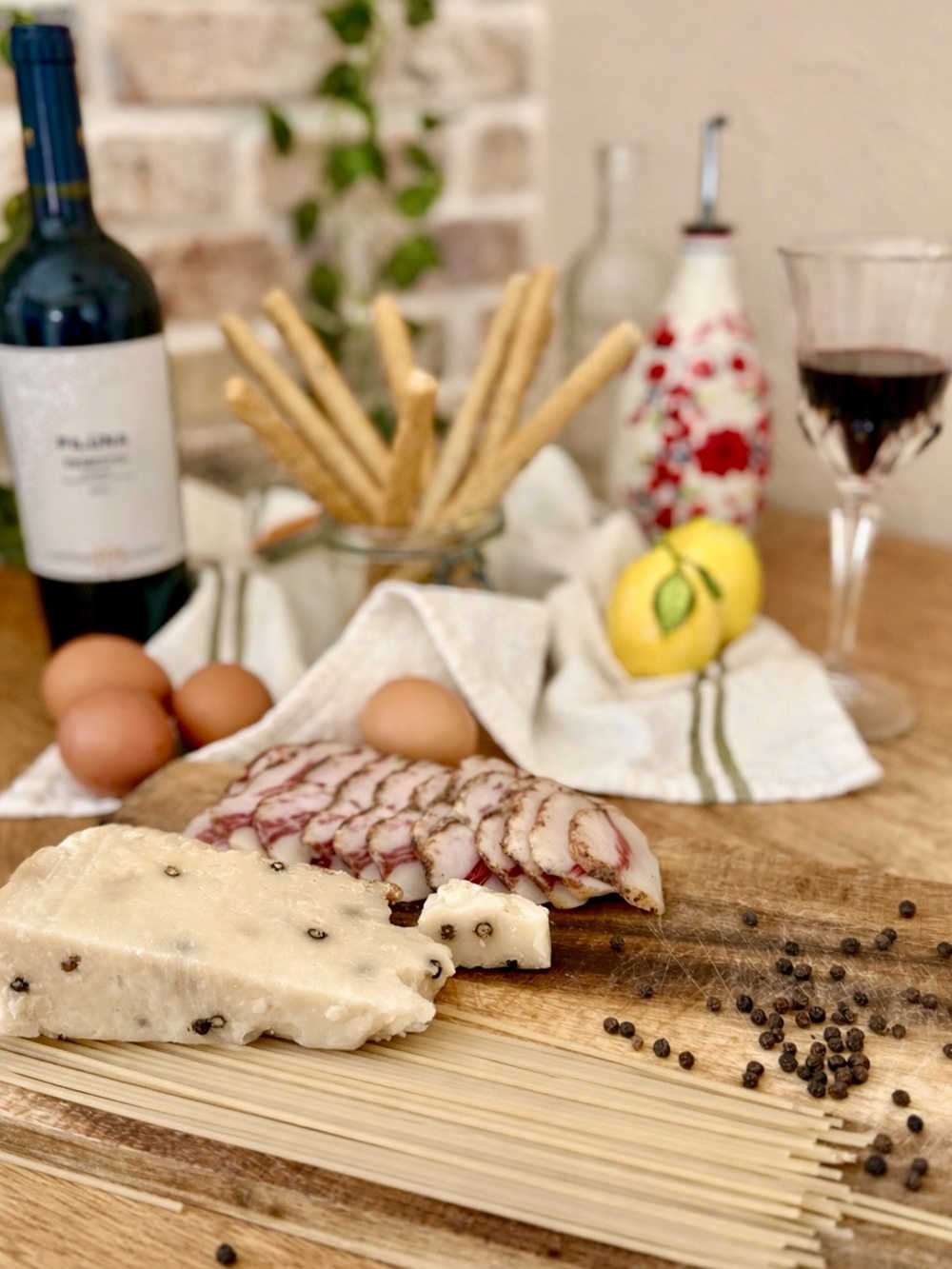
You want to nail an authentic Carbonara sauce.
Creamy, glossy, packed with flavor…
But one question is holding you back: bacon, pancetta, or guanciale?
Does it really matter?
Does it actually change the taste?
Picture the perfect dinner.
Sauce coating every strand of spaghetti
The aroma of pepper and pecorino filling the house.
Mae closing her eyes at the first bite, and Rose asking for “more!”
Today, I’ll show you how to pick the right meat for your Carbonara,
and create a true Italian dish that will surprise and delight your guests.
The Secret to Real Roman Carbonara That Wows Your Guests
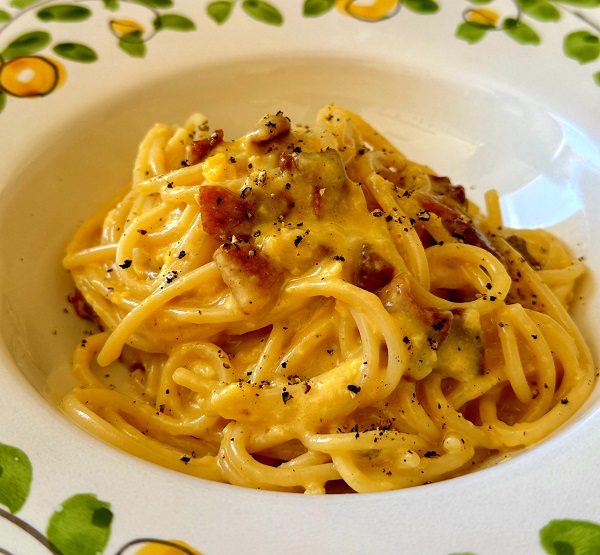
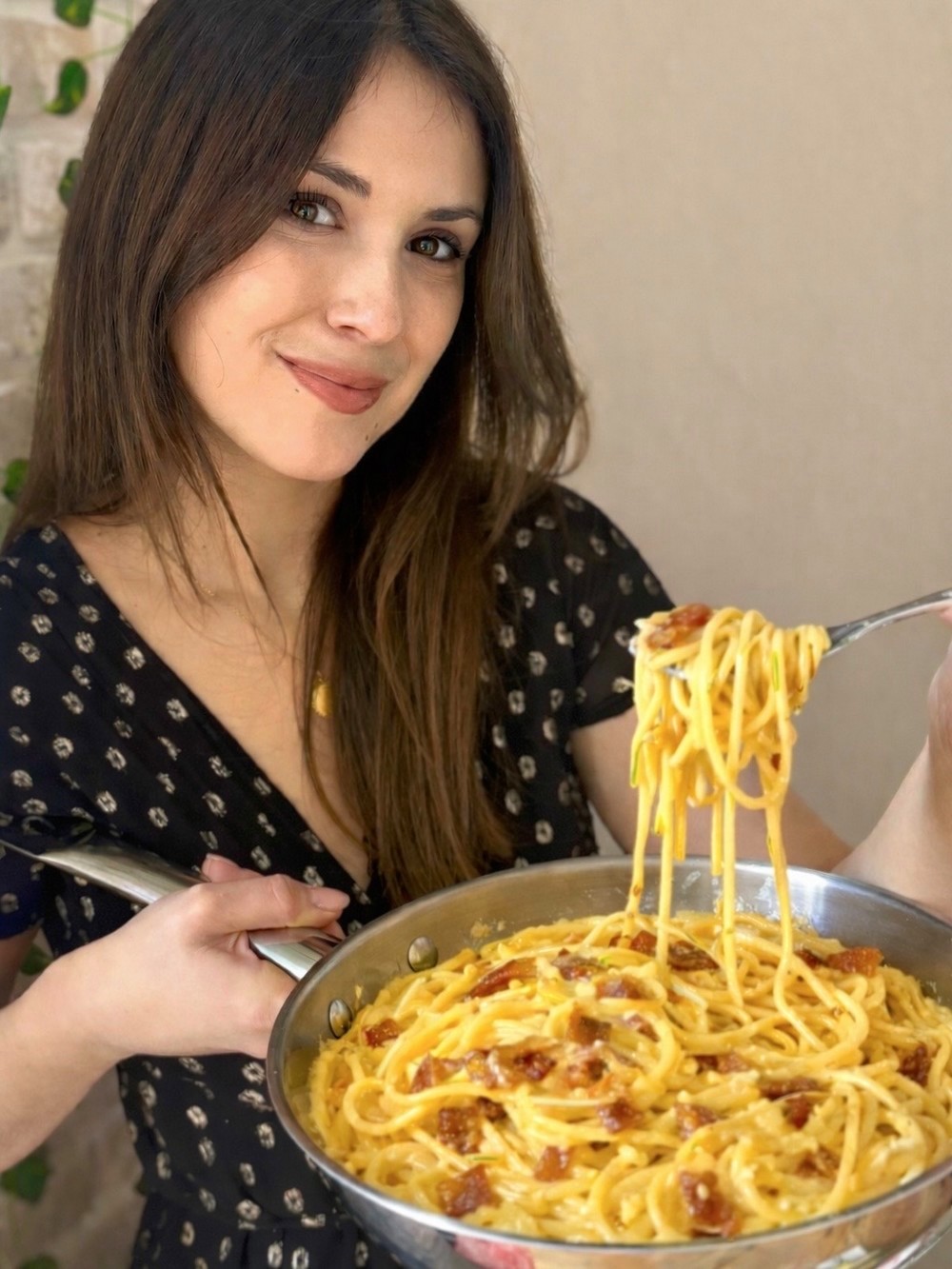
“The other night, we hosted a French couple. They knew Carbonara, but never guanciale. When they tasted it, their eyes widened. ‘This is incredible! I never imagined Carbonara could taste like this.’”
At Casa Bandera, every dish carries our family heritage. This Carbonara created a shared memory—and that’s exactly what we want to deliver: authenticity, flavor, and joy around the table.”
— Casa Bandera, from our Famiglia to yours
Table of Contents
1. Bacon… Convenient but Off-Track
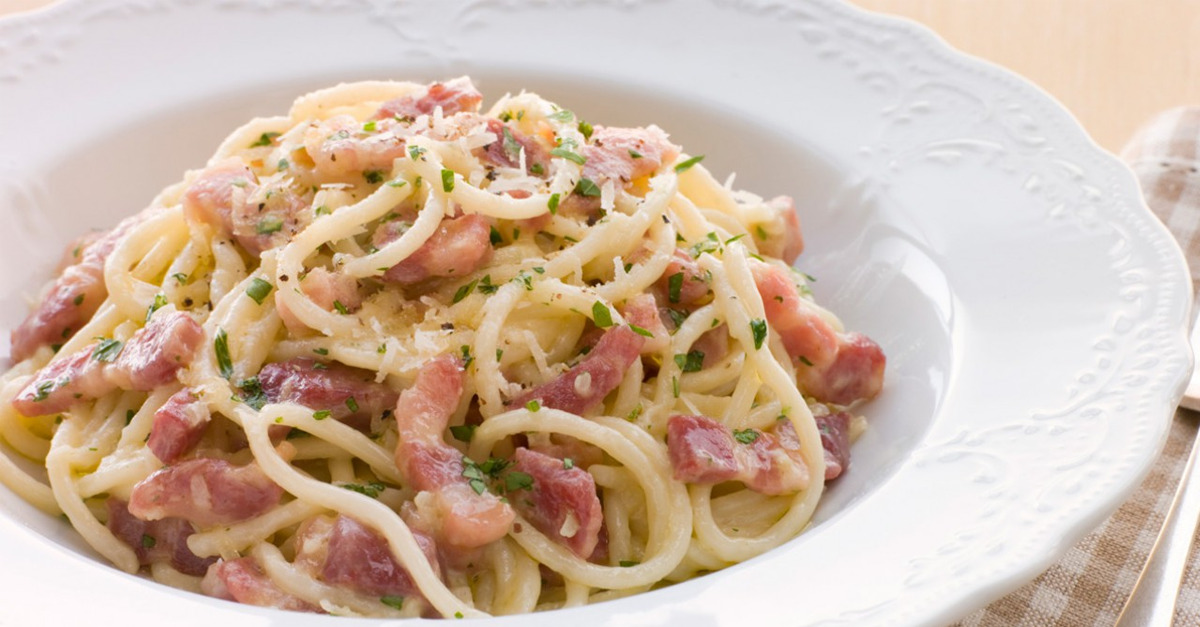
Bacon is tempting.
Easy to find, quick to cook, a lifesaver for a busy parent.
But beware: using bacon in Carbonara is like wearing sneakers with an Italian suit… it works, but it’s not elegant.
Why?
Its smoky taste and fat behave completely differently from guanciale.
The result: the sauce loses silkiness and aroma.
Your spaghetti misses that creamy caress that defines a true Roman Carbonara.
Key points:
- Often smoked, it can overpower the delicate pecorino and mask freshly cracked black pepper.
- The fat melts unevenly → sauce becomes less creamy, a bit clumpy.
- Less Italian authenticity: you’re cooking, but missing the true Roman flavor.
Once, I tried bacon for an impromptu dinner.
Our guests enjoyed the pasta, sure, but something was missing.
The aroma lacked the sweet, perfumed note of guanciale, the crisp wasn’t the same.
I could see Mae’s look saying, “Something’s missing…”
In short, bacon isn’t “forbidden,” but it changes the experience.
Use it if you must, or if guanciale is impossible to find.
Just know it drifts away from authentic Roman Carbonara.
Casa Bandera tip:
If you must use bacon, pick plain, unsmoked, cut into thick chunks.
Sauté slowly to release as much flavor and fat as possible—though it’ll never match guanciale.
2. Pancetta… An Acceptable Alternative
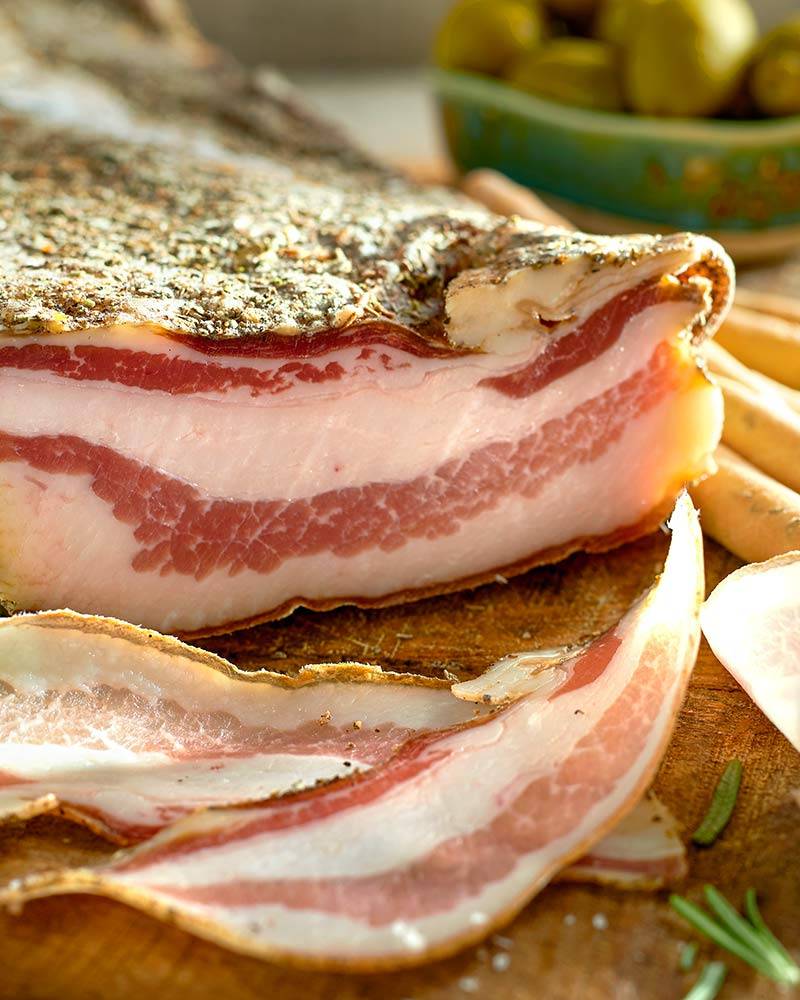
Pancetta is often the compromise for those who can’t get guanciale.
Salted, cured, and unsmoked, it’s closer to Italian tradition.
But its taste is milder and less complex than guanciale.
You taste the meat, but miss that deep aromatic punch that makes taste buds swoon.
At Casa Bandera, we see pancetta as a small detour in the Roman universe: it does the job, flavors the pasta, but doesn’t fully capture the soul of the dish.
Perfect for a quick dinner, or for first-timers who want to start gently with an accessible ingredient.
Little story:
During a spontaneous dinner with Italian neighbors, I used pancetta.
As it cooked, the kitchen filled with a delicate, slightly sweet aroma.
Mae closed her eyes, inhaled deeply, and whispered, “Not bad… but wait until you try guanciale tomorrow!”
That subtle difference shows the real, though gentle, contrast between the two ingredients.
Casa Bandera tips:
- Pick artisan, well-cured pancetta. Quality matters: firm texture, melting fat, balanced flavor.
- Cut into large chunks, not tiny cubes. It should crisp outside while staying tender inside.
- Sauté gently over medium heat to release aromas without drying it out.
- Reserve the fat for emulsifying with pecorino and egg yolks. That fragrant fat is key to the sauce.
- For extra flavor, add a pinch of freshly cracked black pepper while cooking. Its aroma pairs perfectly with the sweetness of pancetta.
Even 2-year-old Rose recognizes the smell of pancetta melting in the pan.
She rushes to the kitchen, eager to taste.
Authentic Italian aroma knows no age!
In short, pancetta is a good starter, convenient for quick cooking, or to mix things up.
But if you want a lasting flavor memory and the full Roman experience for your guests, guanciale remains essential.
3. Guanciale… the Soul of Carbonara
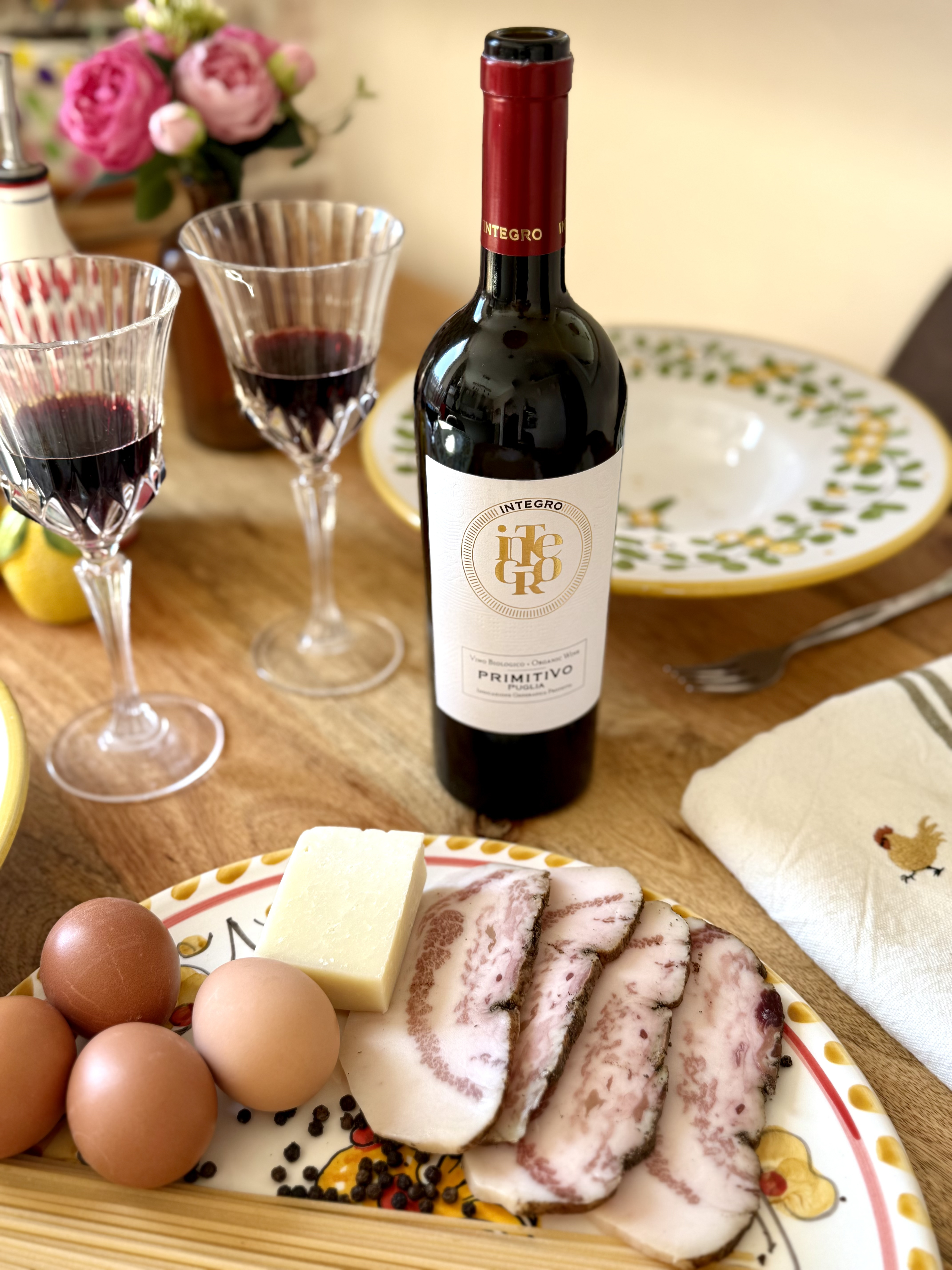
Guanciale, or cured pork cheek, is much more than just an ingredient.
It’s the beating heart of real Italian carbonara.
Its rich, flavorful fat melts into your pasta, creating a perfect emulsion with pecorino and giving the sauce a silky, glossy texture.
When I slice the guanciale into sticks, the salty, slightly sweet aroma fills the kitchen.
The scent is delicate yet powerful—an irresistible call to indulgence.
Mae always smiles at that moment, and even little Rose, our 2-year-old explorer, hops over, drawn by the fragrance that announces real carbonara is coming.
Guanciale doesn’t just flavor your dish—it tells a story.
In Roman trattorias, it’s almost considered sacred.
The pork cheek is salted and air-dried for several weeks, sometimes longer, concentrating flavors like no other.
No bacon or smoked pancetta can replicate this depth.
Why guanciale stands above the rest:
- Rich, flavorful fat: releases its aroma slowly, giving the sauce a deep, gentle taste.
- Authentic Roman flavor: impossible to reproduce with bacon or store-bought bacon bits.
- Juicy texture even after cooking: the center stays tender while the edges crisp lightly.
- Complex aroma: a touch of salt, a hint of sweetness, and a fragrance that evokes Italy.
Casa Bandera Tip:
- Cut guanciale into thick sticks: they will melt in the center while staying slightly crispy outside.
- Cook gently: medium-low heat, never too hot, so the fat renders without burning.
- Reserve the fat: it’s the base for emulsifying with egg yolks and pecorino.
- Don’t mix immediately with the pasta: give the aroma time to spread.
- Buy from a butcher or Italian producer for authentic flavor.
Timing is everything with guanciale.
When I prepare the sauce for our guests, I watch each stick in the pan.
The house fills with that unique fragrance.
That evening, our French friends were amazed—they had never tasted something so tender and flavorful.
Compliments flew, eyes sparkled, and I savored the moment as much as they did.
When Rose smells guanciale cooking, she runs straight to the kitchen, captivated by the irresistible scent.
Even at 2 years old, she recognizes real carbonara and asks for “more, more!”
It’s a small gesture, a wink to family tradition, but it reminds us why we cook this way every time.
In short, guanciale is more than an ingredient.
It’s a sensory experience, a memory in the making, and the secret to a carbonara that impresses effortlessly.
Choosing guanciale is choosing real Italy on your plate.
Also read: The Ingredients for Pasta Carbonara in the Real Italian Recipe
The Secret to Real Roman Carbonara That Wows Your Guests
4. Comparison: Bacon, Pancetta, and Guanciale
To choose the perfect ingredient, here’s a table summarizing their characteristics and impact on your carbonara:
| Criteria | Bacon | Pancetta | Guanciale |
|---|---|---|---|
| Authenticity | No | Acceptable | Yes |
| Smoky flavor | Often | No | No |
| Texture | Variable | Good | Excellent |
| Sauce emulsion | Average | Good | Perfect |
| Italian experience | Low | Moderate | Complete |
The real question isn’t: “Can I use bacon?”
It’s: “What experience do you want to give your guests tonight?”
5. How to Cook the Meat for a Perfect Sauce
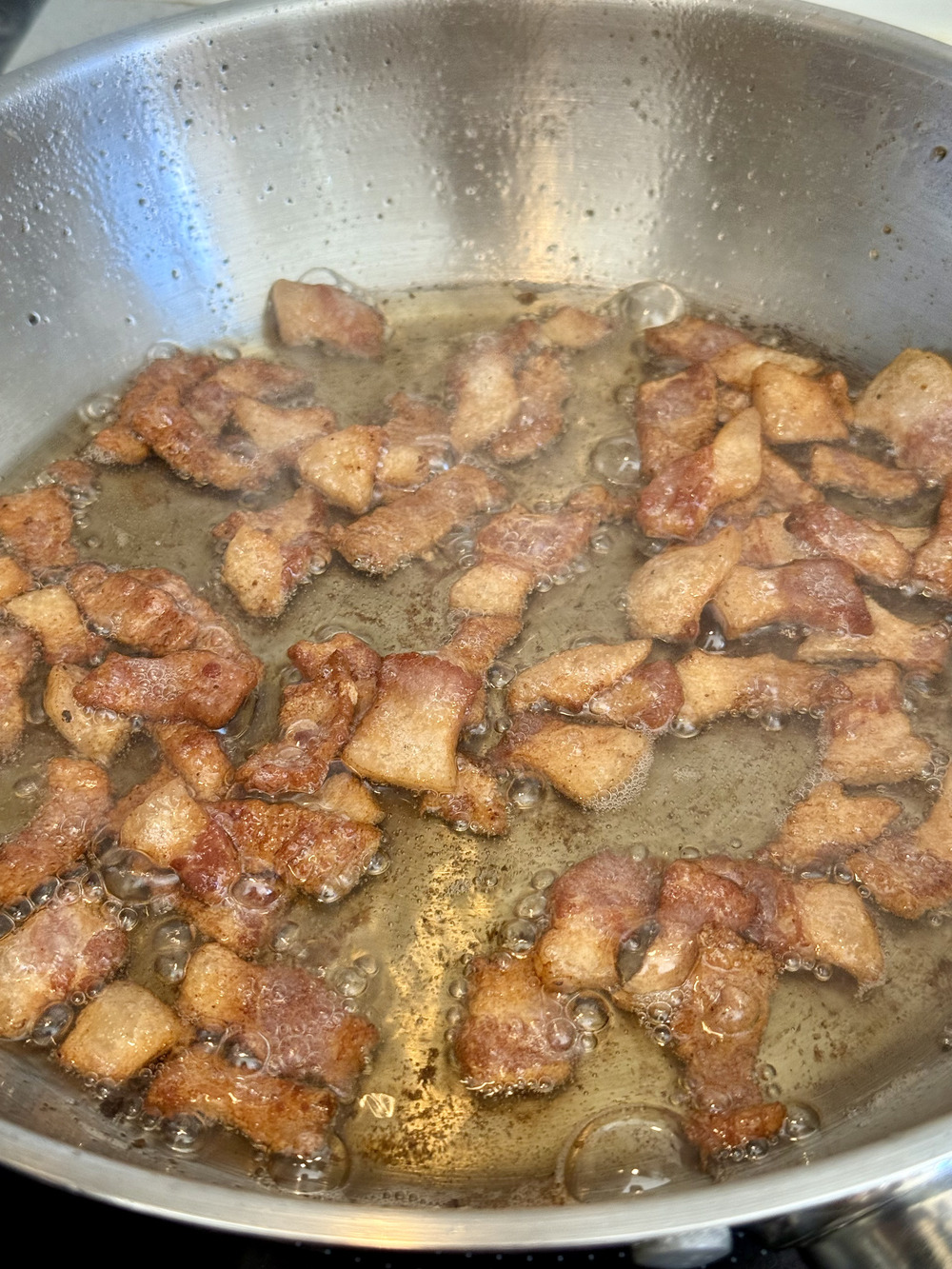
Whether you choose bacon, pancetta, or guanciale, cooking is the decisive step.
Even the best ingredient can be ruined if you don’t follow a few simple but crucial rules.
At Casa Bandera, we call them the golden rules for a perfect carbonara.
1. Never burn the meat: the heat must stay low.
If you raise the temperature too quickly, the fat will burn, the meat will toughen, and the delicate aroma will vanish.
With guanciale, it becomes almost an art: it melts slowly, releasing a fragrance that fills the whole kitchen.
You’ll see your guests turn their heads before the pasta is even ready.
And that aroma… it’s the real taste of Rome coming to your home.
2. Save the fat: it’s not extra fat, it’s the base of your sauce.
When you remove the cooked meat, keep the golden juices in the pan.
This is what will emulsify with the egg yolks and pecorino to create that silky, glossy, almost magical texture.
At our house, Mae keeps saying: “Never throw this treasure away, it transforms everything!”
3. Avoid overdoing it: no need to fill the pan like for a barbecue.
A few pieces are enough to flavor your pasta and give the sauce character.
Too much meat, and the carbonara loses its finesse, becoming heavy and less harmonious.
The Italian secret?
Less, but better.
That’s exactly what our French friends noticed at our last dinner: bold but balanced flavor, without overloading.
4. Gentle stirring: stir carefully so you don’t break the texture of the fat and maintain the crispiness.
Guanciale should be crispy on the outside, tender inside.
Pancetta should offer that tender crunch that melts in your mouth.
Even bacon require a light touch.
At Casa Bandera, we call this the “caress motion”: stir with love, and the sauce rewards you.
Casa Bandera Tip:
- If you use pancetta, cut it into large pieces to keep a pleasant texture and prevent it from drying out.
- For guanciale, go for thick sticks: crispy outside, tender inside.
- Always start cooking from cold: the meat will slowly release its fat, flavoring the pan even before the pasta is ready.
- Don’t add too much salt at this stage: guanciale and pecorino already provide enough.
- For extra flavor, finish with a twist of freshly ground black pepper: the aroma escapes just before adding the pasta, and it’s irresistible.
Little sensory tip:
Watch the color of the fat change, listen to the gentle sizzle, and inhale the aroma.
You can almost judge the quality of the guanciale by smell alone.
At home, Rose, our 2-year-old, immediately recognizes the scent of guanciale.
The moment she smells it, she knows the carbonara is coming.
These little moments are what make Italian family cooking magical.
One last word:
Patience is your ally.
Slow cooking transforms a simple piece of meat into a concentrated burst of flavor.
It’s this patience and care that make the difference between a good carbonara and a memorable one.
Because, as I always say: “real Italian cooking is love in every gesture.”
6. Midway Conclusion: Your Choice Is an Experience
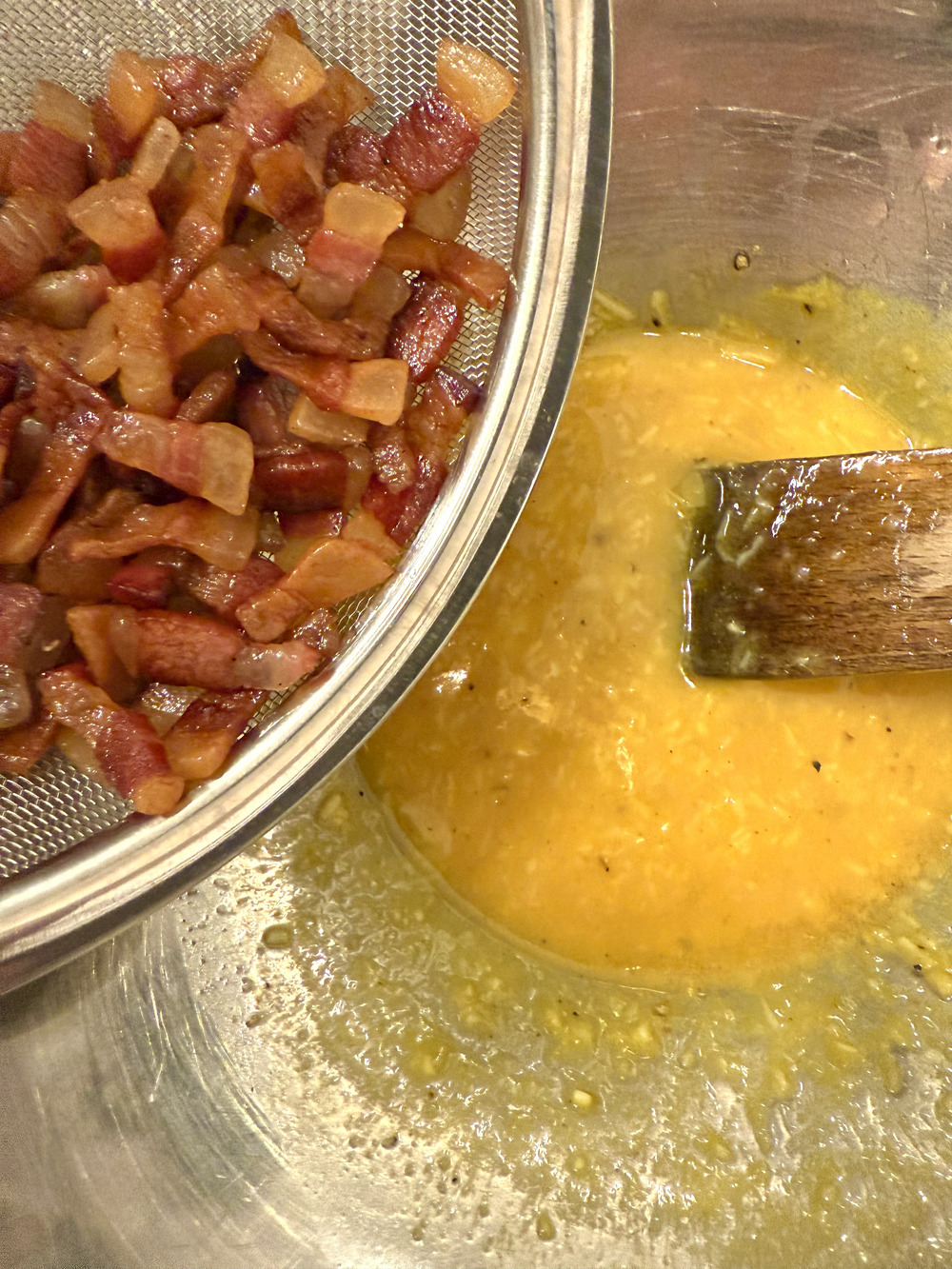
In summary:
-
Bacon: quick, convenient, and easy to find in any supermarket.
Perfect if you’re short on time, but beware: you lose Italian authenticity.
The sauce loses some of its silkiness and depth.
Your guests will sense that something’s missing, even if they don’t know what.
This is the “practical” choice, not the “emotional” one.
-
Pancetta: a smart compromise.
It brings a subtle, gentle flavor, close to true Roman taste.
Easy to find, it allows you to create a pleasant sauce with character, without hunting for specialty Italian shops.
But make sure to choose an artisan, dried, non-smoked version.
Thin slices lightly browned in the pan give that delicate crispiness that makes all the difference.
-
Guanciale: now we’re talking about a true Italian experience.
Salted and aged pork cheek melts gently, releasing flavorful fat that transforms every spaghetti into a magical moment.
Crispy outside, tender inside, it gives the sauce a silky texture you can’t replicate with anything else.
It’s the foundation of traditional Roman carbonara.
When our French friends tasted guanciale for the first time, their eyes lit up and their smiles filled the room.
This is exactly the kind of moment you want to create at your table.
Choosing the meat is about more than flavor.
It affects the aroma that fills the kitchen, the texture that caresses the pasta, and above all, the memory your guests will take home.
At Casa Bandera, that’s the secret: every dish tells a story.
A dinner can become a moment etched in your loved ones’ memory, a fragrance that makes them smile, a gesture that creates bonds.
So next time you ask, “Which ingredient should I choose?” think about what you want to offer: a quick solution, an elegant compromise, or an authentic experience that transports your guests to Italy from the very first bite.
Your choice isn’t technical; it’s emotional.
And that’s exactly what turns a simple carbonara into an unforgettable memory.
Also read: The Real Italian Carbonara Recipe: Easy, Traditional & Cream-Free
7. Entertaining Like in Italy, Stress-Free
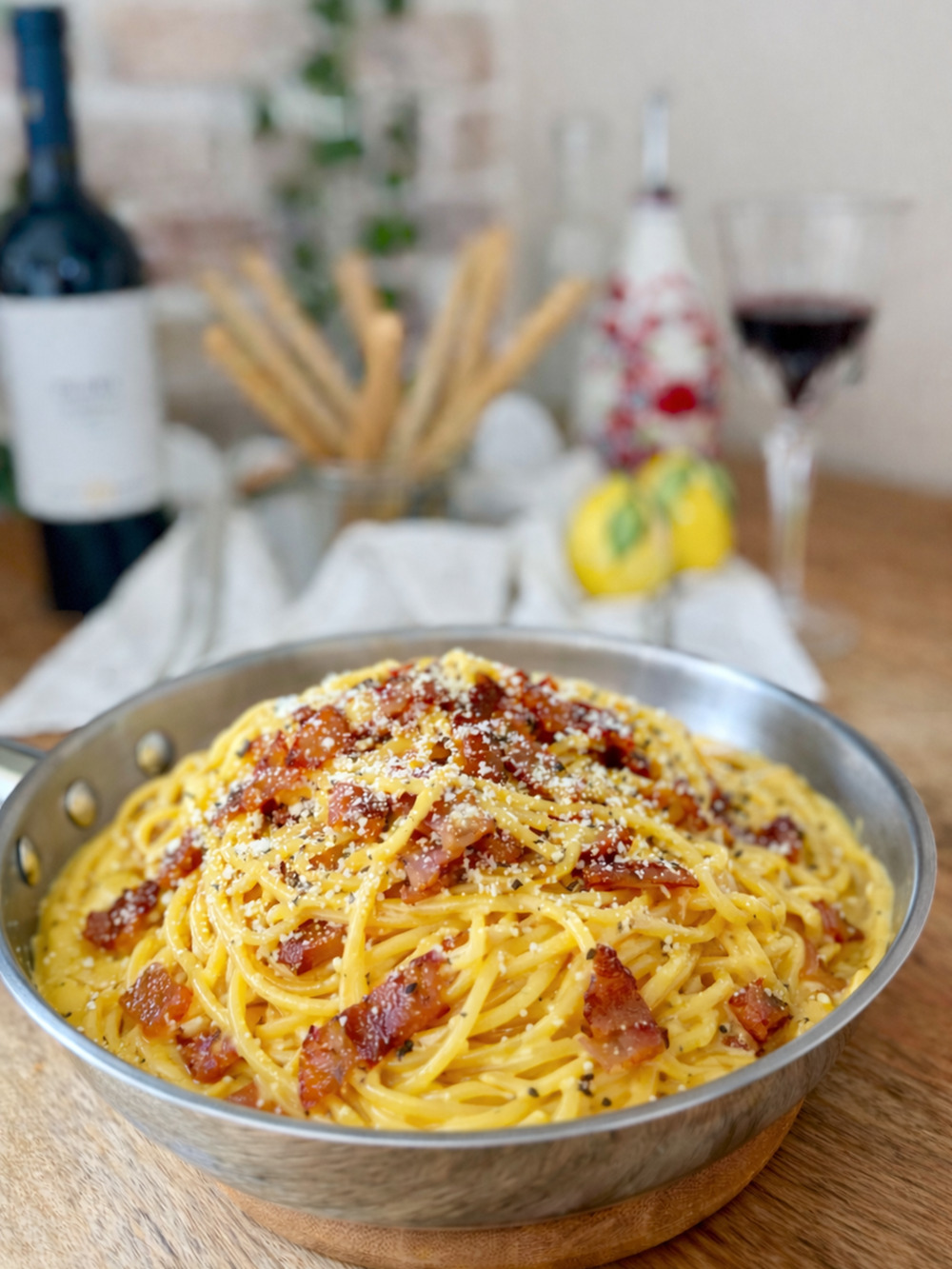
Carbonara isn’t just a dish, it’s an experience.
It’s a fragrance that fills the house, a texture that caresses the taste buds, and a shared moment that stays in your guests’ memory.
Whether you’re cooking for friends or family, the choice of meat changes everything.
It’s that little detail that turns a meal into an event:
-
Bacon: quick, convenient, easy to find.
But the smoky taste dominates.
Your guests will enjoy it, but something will be missing.
It won’t feel the same as real guanciale.
-
Pancetta: a decent alternative if you don’t have guanciale on hand.
It gives good texture and a flavor close to authenticity.
But pick artisan-made and cut correctly to get that tender crisp that makes all the difference.
-
Guanciale: here’s where the magic happens.
The fat melts slowly, flavoring each spaghetti.
The texture is perfect, the taste authentic.
Guests close their eyes at the first bite.
Compliments come naturally, sincere and enthusiastic.
The meal instantly becomes a memory.
At Casa Bandera, every dish is designed to create a memorable moment:
The smell of guanciale filling the kitchen, the subtle sizzle of the fat in the pan, the aroma of freshly grated pecorino.
Everything contributes to the experience.
I remember that night, when our French friends tried our carbonara for the first time.
They didn’t know guanciale, thought it was just “another kind of bacon.”
Then, the first bite.
Silence.
Eyes wide.
Smiles forming.
And the magic words: “Wow… this is amazing! We’ve never tasted this before!”
That kind of moment is exactly what I want to share.
Not just a recipe, but an atmosphere, an emotion, a memory shared at the table.
This is entertaining like in Italy, stress-free: let the ingredients speak, the gestures tell a story, and enjoy together.
And the best part?
Even you, a busy parent, can do it.
With a bit of organization, smart meat choices, and following the simple steps I share in my recipes, the magic happens.
Also read: Spaghetti Carbonara: 10 Mistakes to Avoid!
8. La Dolce Vita on Your Plate
In Italian cooking, the secret isn’t complexity, but respecting the ingredients and the patience of the gestures.
Choosing the right fat, cooking it slowly, saving the essentials for the sauce… these details turn a simple dinner into a memorable moment.
At Casa Bandera, our philosophy:
-
Respect the Italian family tradition.
-
Make cooking accessible for busy parents.
-
Create memories around the table, like in Rome or Bologna.
“The guanciale carbonara transformed our dinner that night.
— Casa Bandera, from our Famiglia to yours
9. Join the Casa Bandera Famiglia

If you want our tips for cooking authentic, simple, and memorable Italian recipes and avoid beginner mistakes, join our newsletter.
Every week, you’ll receive:
-
Tips to make your pasta like in Italy.
-
Nonna’s secrets to elevate your dishes.
-
Ideas to create unforgettable moments with family or friends.
-
Exclusive offers on our Casa Bandera E-Books and courses.
The table is set, guanciale is melting, pecorino is freshly grated, and pepper is just cracked.
All that’s missing is you to live the Dolce Vita in your kitchen.
Sign up for the Casa Bandera newsletter
Also read:
How to Make Carbonara Pasta: With or Without Cream?
History & Origins of Carbonara: The True Roman Story
The Ultimate Guide to Carbonara Pasta: Everything You Need to Know

The Secret to Real Carbonara That Wows Your Guests



Let’s talk cucina together!