 EN
EN  IT
IT  FR
FR 
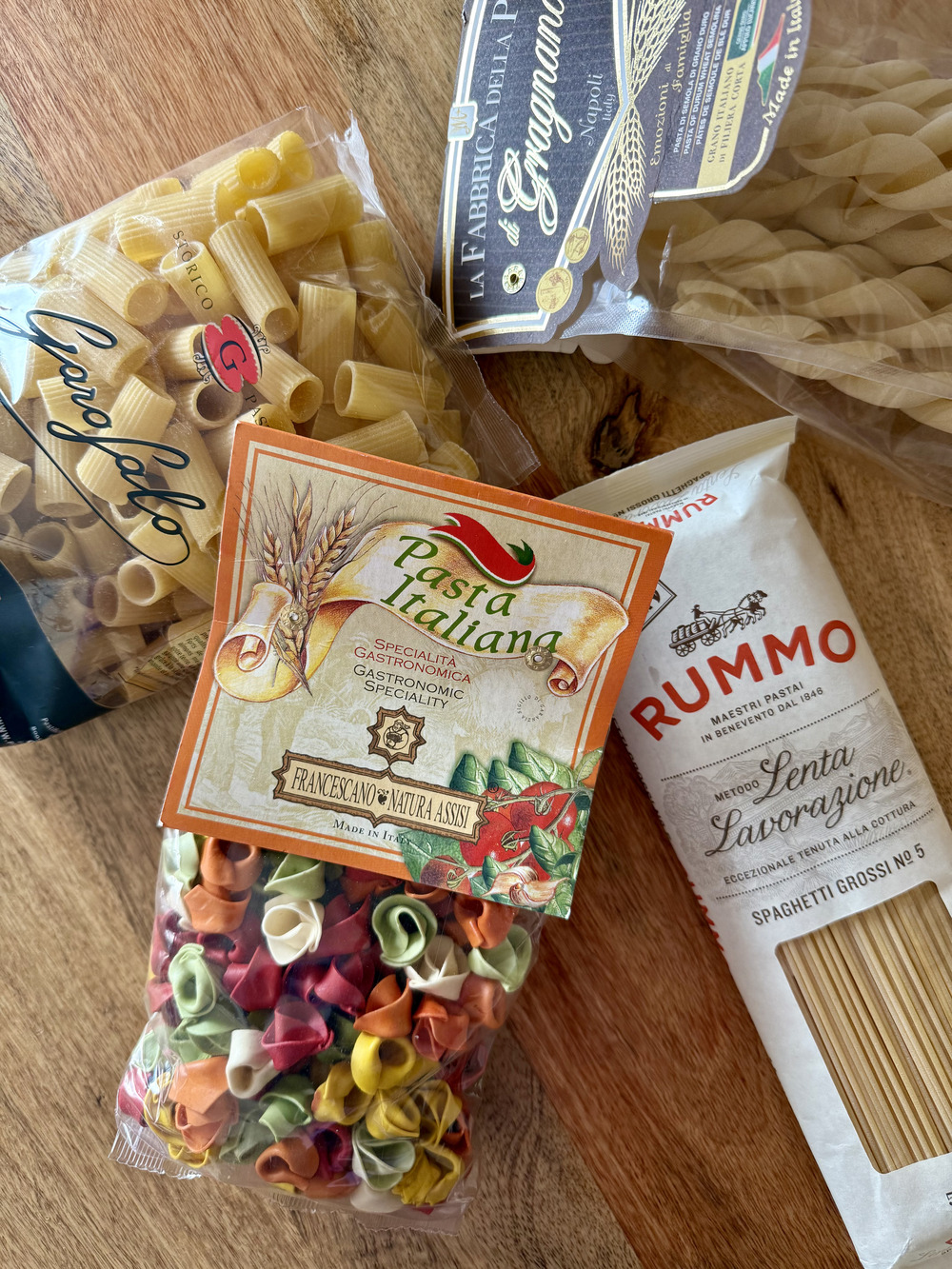
Want to know which pasta makes carbonara truly Italian,
why some shapes hold the sauce better,
and how to avoid mistakes that ruin this legendary dish…
Which pasta should you choose for the perfect carbonara?
Spaghetti, rigatoni, or bucatini:
which ones really make a difference?
Today, I’m going to show you why choosing the right pasta is essential,
which shapes work best with the sauce,
and how this tiny detail can completely transform your authentic Italian carbonara experience.
The Secret to Real Roman Carbonara That Wows Your Guests
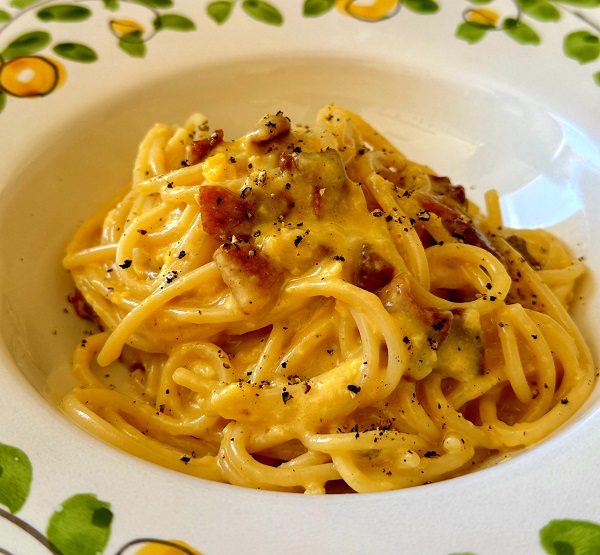
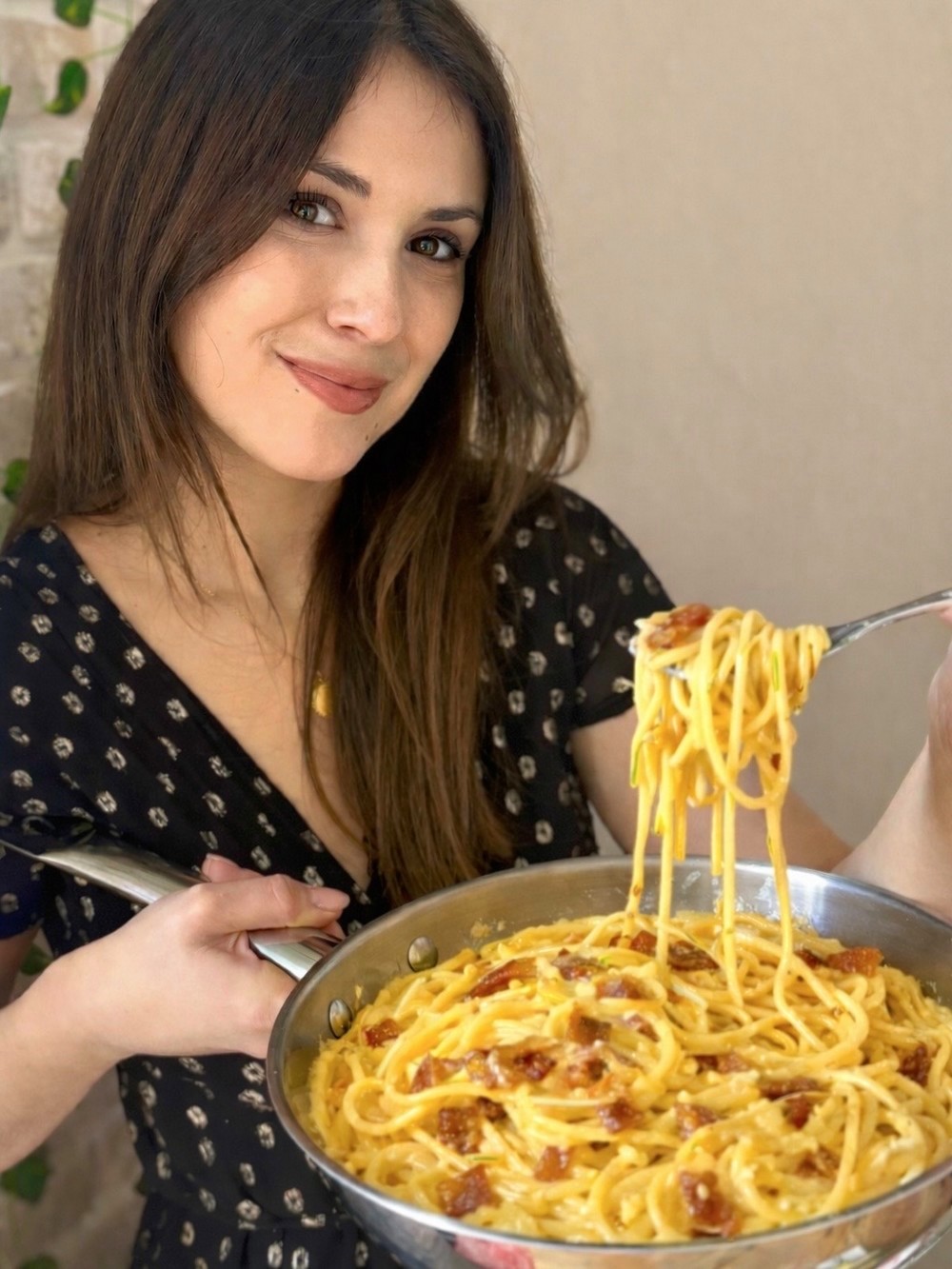
“The first time I had carbonara in Rome, I realized it all starts with the pasta. The spaghetti grabbed the sauce, the pecorino stuck perfectly, and the guanciale slid into every bite.
Today, choosing the right pasta for carbonara isn’t just about the shape: it’s about finding the perfect balance between sauce, cheese, and texture… to experience carbonara exactly like in Italy.”
— Casa Bandera, from our Famiglia to yours
Contents
1. Why Choosing the Right Pasta Is Crucial in Carbonara
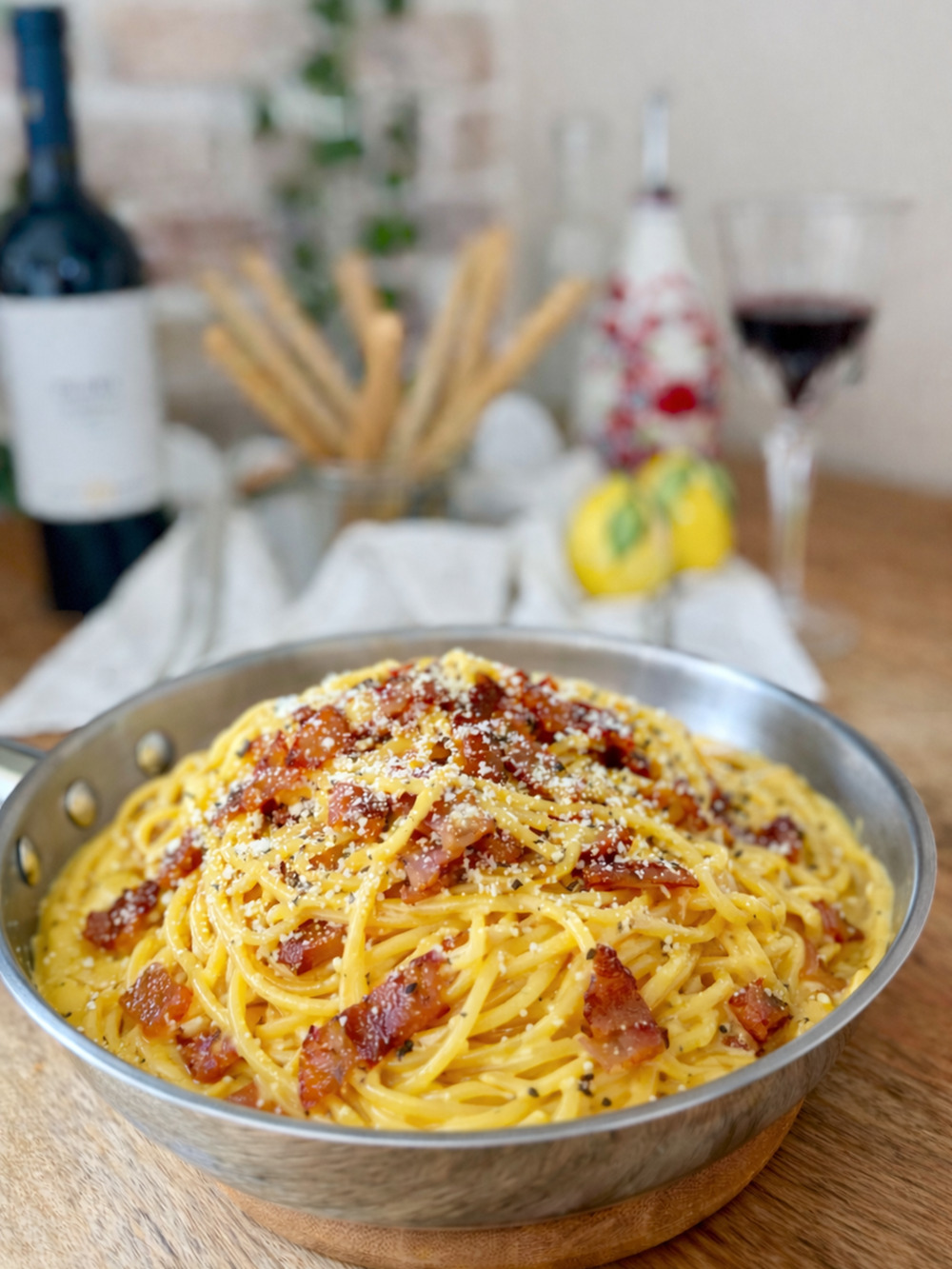
Picture a plate of creamy carbonara.
The sauce clings to the pasta.
The pecorino melts gently.
The crispy guanciale sneaks into every bite.
And then… magic.
Everything comes together perfectly.
Why?
Because carbonara pasta isn’t chosen randomly.
In Italy, this tiny detail changes everything.
Really, everything.
Many think carbonara is just:
- pasta
- eggs
- pecorino cheese
- guanciale
But in Rome, they’ll tell you differently.
The pasta shape decides if your carbonara will be good… or unforgettable.
Why?
Because carbonara sauce is very particular.
It’s not a heavy sauce.
It’s not a runny sauce.
It’s an emulsion.
A delicate mix of:
- eggs
- pecorino romano
- the flavorful fat from guanciale
- and a bit of pasta cooking water
If the pasta is wrong…
The sauce slides off.
It ends up at the bottom of the plate.
And then… disaster.
Because a true Italian carbonara does the exact opposite.
It clings to the pasta.
It wraps every bite.
It creates the perfect balance of:
- creaminess
- saltiness
- crunch
- and al dente texture
If you go to Rome and watch the chefs…
You’ll see they never choose their pasta randomly.
Spaghetti.
Rigatoni.
Bucatini.
Or the legendary tonnarelli from Rome.
Each pasta has a mission.
Grab the sauce.
Capture the cheese.
Hold a piece of guanciale.
And turn a simple recipe into a Roman experience.
At Casa Bandera, we love to tell this little scene.
The first time we went to Ristorante Tonnarello in Rome, it was magical.
The waiter placed the plate in front of us.
And he simply said:
“Carbonara isn’t the sauce that makes the pasta… it’s the pasta that makes the carbonara.”
At first, we smiled.
Then we tasted.
And then…
We understood.
The pasta held the sauce.
The pecorino clung lightly.
The guanciale appeared at just the right moment.
Every bite was different.
And that’s exactly why the next question matters so much:
Which pasta should you choose for a true Italian carbonara?
Are spaghetti really the best?
Are rigatoni richer and more indulgent?
Do bucatini capture the sauce better?
And why do some Roman chefs swear by tonnarelli only?
In the next sections, we’ll dive into the heart of Roman tradition.
And you’ll discover why 4 pasta types dominate carbonara in Italy.
Hint: The last one might surprise you.
Also read: Ingredients for Pasta in True Italian Carbonara
2. Spaghetti: The Classic Carbonara Favorite
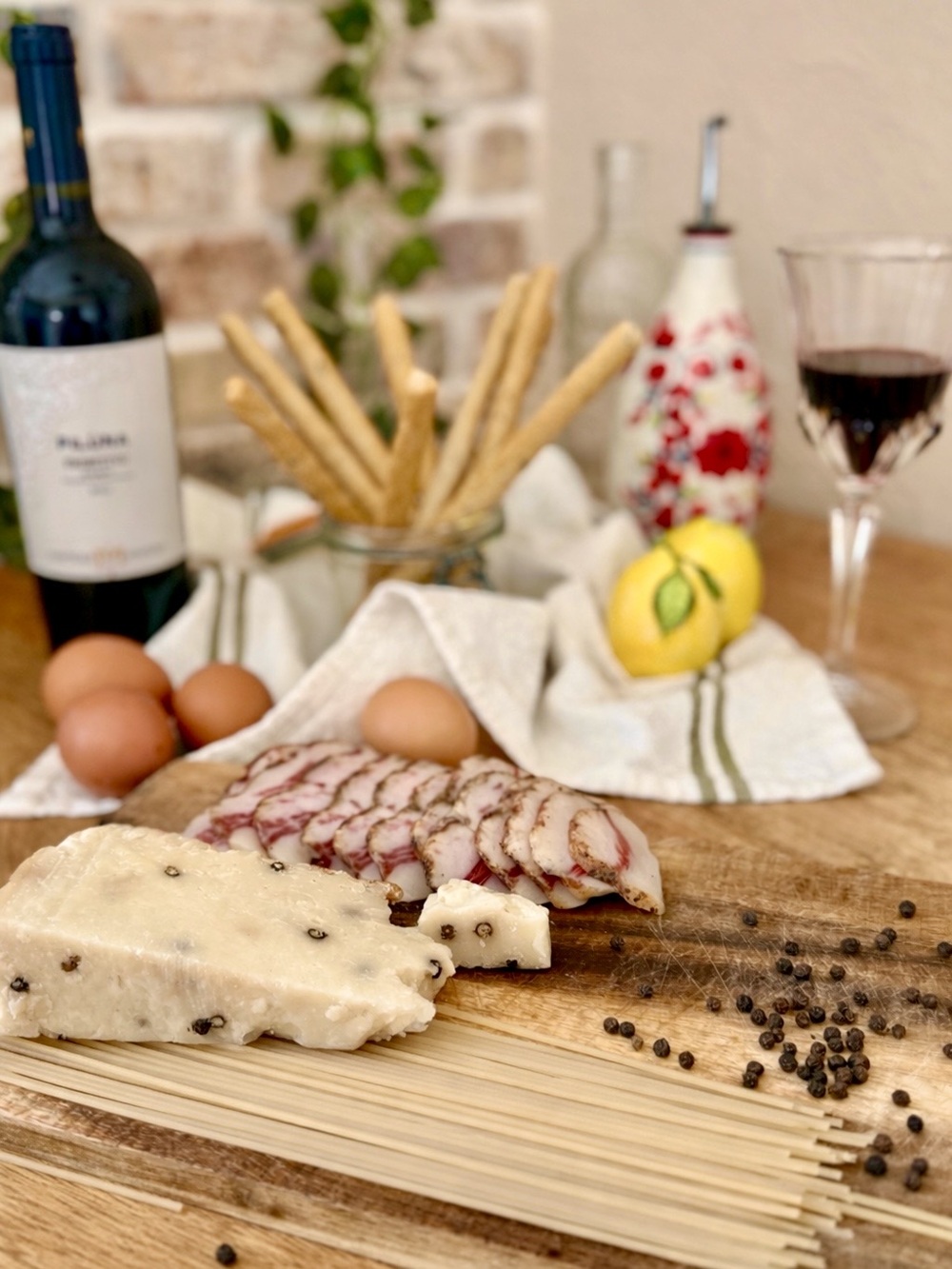
Close your eyes and imagine a real Italian carbonara…
Chances are you’re seeing spaghetti.
Long.
Glossy.
Coated in a golden sauce.
Yes, spaghetti are probably the pasta most linked to carbonara.
And that’s no coincidence.
For decades, in Rome’s trattorias, they’ve been a timeless classic.
But why them?
Why do spaghetti work so well with carbonara?
The answer in three words: balance, texture, simplicity.
Spaghetti are long and thin.
They twirl easily around your fork.
They spin perfectly.
And most importantly…
they catch the sauce.
When a carbonara is done right, the egg and pecorino cream clings to each strand.
Not too much.
Just enough.
The result?
Every forkful delivers:
- a bit of sauce
- a sprinkle of cheese
- and often a tiny piece of guanciale
Perfect balance.
Simple.
Effective.
Purely Italian.
But there’s one detail many overlook.
A detail that often separates a good carbonara…
from a truly memorable one.
The thickness of the spaghetti.
Not all spaghetti are created equal.
Some are very thin.
Others are thicker.
And in Italy, many chefs prefer a particular version.
The spaghettoni.
Spaghettoni look like classic spaghetti.
But they’re wider.
Meatier.
More resistant to cooking.
And it changes everything.
Why?
Because thicker pasta:
- stays perfectly al dente
- holds more sauce
- adds extra bite
The result? Carbonara becomes even more indulgent.
At Casa Bandera, we still remember the first time we tried spaghettoni carbonara.
It was on a tiny street in Rome.
No tourist menu.
No English translation.
Just a chalkboard and the smell of guanciale in the air.
The waiter set down the plate.
Thick spaghettoni.
A glossy sauce.
And that first bite…
More texture.
More character.
More Rome on the plate.
So yes, spaghetti are a fantastic choice for carbonara.
But if you want to take it up a notch…
If you want a more generous carbonara…
Try spaghettoni.
Because in Italian cooking, sometimes a single extra millimeter makes all the difference.
Now, let me ask you a question.
What if the best pasta for carbonara…
wasn’t even long?
Because in Rome, some trattorias swear by another shape.
A more rustic pasta.
More generous.
The rigatoni.
3. Rigatoni: The Ultra-Indulgent Roman Version
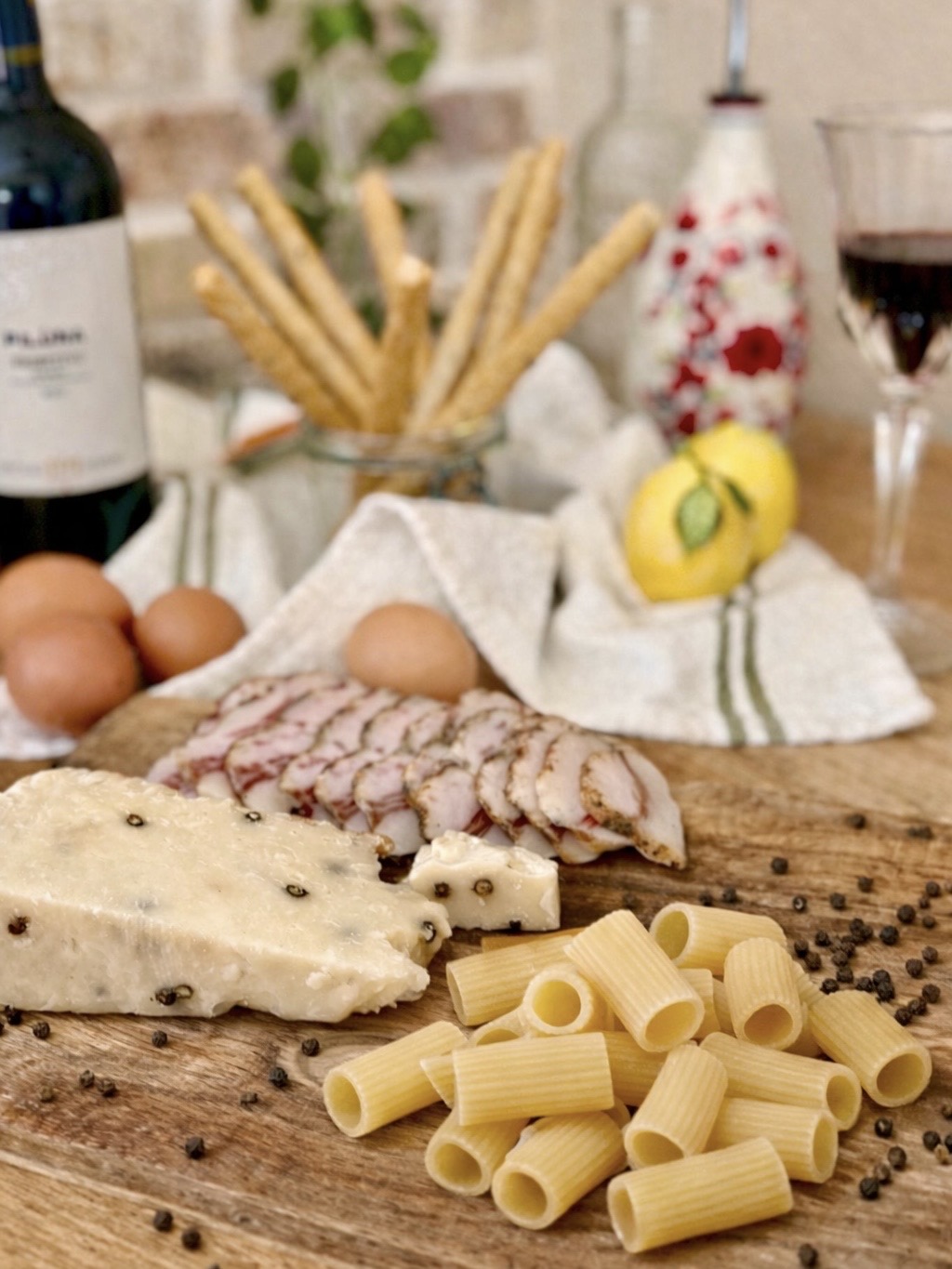
If spaghetti are the international stars of carbonara…
Then rigatoni are the well-kept secret of many Roman trattorias.
Less famous.
But incredibly effective.
And above all…
deliciously indulgent.
Imagine a short pasta.
A generous tube.
Grooves all over the surface.
These tiny ridges have a very specific role.
They grab the sauce.
Seriously.
Because carbonara isn’t a liquid sauce.
It’s a natural cream made from:
- egg yolks
- pecorino romano
- the flavorful fat of guanciale
- and the pasta cooking water
And this sauce loves texture.
It loves hiding in the grooves.
Clinging to the walls.
Filling the tubes.
The result?
With rigatoni, every bite is a little surprise.
Sometimes you bite into a piece of guanciale.
Sometimes the sauce literally explodes in your mouth.
Sometimes both happen at once.
And then…
it’s jackpot.
At Casa Bandera, we like to say rigatoni are for the true food lovers.
Those who don’t want to lose a single drop of sauce.
And there’s a scene we’ll never forget.
Lunch in Rome.
A family table.
Three generations around a checkered cloth.
Nonna arrives with a steaming platter.
No spaghetti.
Rigatoni carbonara.
The kids dive in with their forks.
The adults talk loudly.
And someone laughs and says:
“With rigatoni, the sauce can’t escape.”
And they were right.
Because rigatoni’s shape does something very special:
- sauce stays stuck
- guanciale slips inside the tubes
- and every bite becomes more intense
A more rustic carbonara.
More generous.
Somehow, more Roman.
But beware.
There’s a common misconception.
Many think penne can replace rigatoni.
Wrong.
Penne are smooth.
Thinner.
Cut on the diagonal.
They hold much less carbonara sauce.
Rigatoni, on the other hand, are:
- wider
- ridged
- perfect for rich sauces
So yes…
If you want a classic, elegant, silky carbonara:
spaghetti are perfect.
But if you want a carbonara that is:
- more generous
- more rustic
- more indulgent
Then rigatoni are a fantastic choice.
And yet…
There’s another Roman pasta that intrigues many carbonara lovers.
A long pasta.
But with a surprising twist.
A hole in the center.
Yes.
We’re talking about bucatini.
And some Roman chefs love them.
But not all…
Why?
That’s exactly what we’re about to discover next.
4. Bucatini: The Pasta That Captures the Sauce
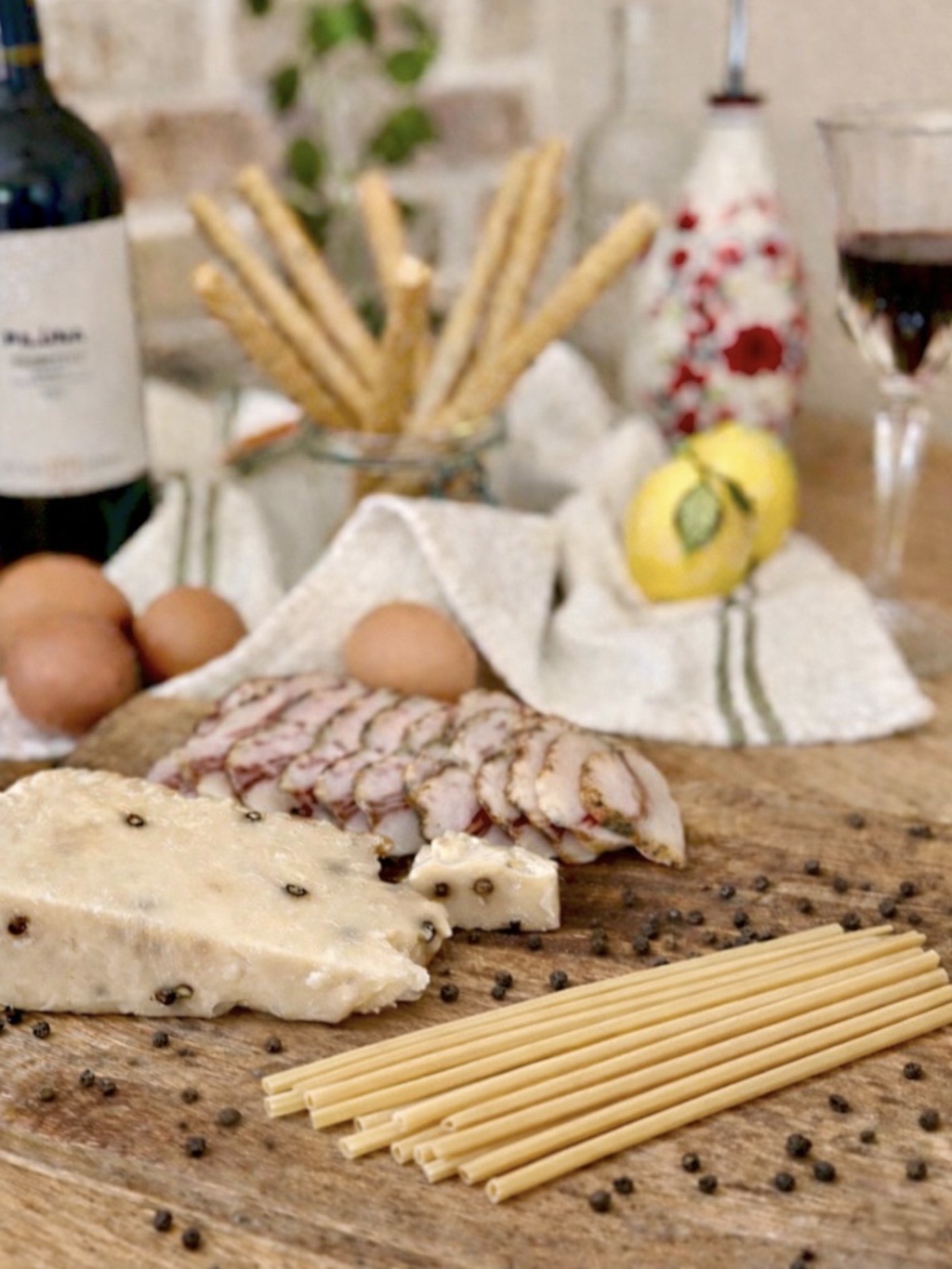
At first glance, bucatini look a lot like spaghetti.
Long.
Elegant.
Purely Italian.
But look closer…
You notice a surprising detail.
A hole running through the center.
Yes, bucatini are kind of like spaghetti…
but hollow.
And that little detail changes everything.
In Italian cooking, the shape of pasta is never random.
It always has a purpose.
And for bucatini, the purpose is simple: to capture the sauce.
Not just on the outside.
But also inside.
When carbonara is done right, the sauce slips:
- around the pasta
- into the hollows
- and sometimes even inside that famous central hole
The result?
A bite that’s even more intense.
More sauce.
More texture.
More indulgence.
In Rome, bucatini are also famous for another iconic dish.
Bucatini all’amatriciana.
A tomato, guanciale, and pecorino sauce.
An absolute classic.
So naturally, some chefs asked themselves:
Why not use bucatini for carbonara?
And sometimes…
The result is spectacular.
But let’s be honest.
Bucatini divide opinions.
Yes.
Even in Italy.
Why?
Their texture is unique.
Thicker.
Denser.
And sometimes trickier to twirl around a fork.
Some love that sensation.
Others prefer the silky flow of spaghetti.
At Casa Bandera, we discovered bucatini carbonara on a summer evening in Rome.
A lively terrace.
Glasses of white wine.
The distant hum of scooters.
And a steaming plate of bucatini carbonara.
The first bite was surprising.
The pasta felt thicker.
The sauce even more present.
Almost enveloping.
And an Italian friend smiled and said:
“Bucatini are for those who want even more carbonara.”
And somehow…
He was right.
Because this pasta amplifies the sauce.
It concentrates it.
It holds it.
But if you’re chasing the most traditional carbonara possible…
There’s another pasta to consider.
A pasta less known abroad.
But deeply Roman.
Fresh.
Square.
A pasta many chefs consider the pinnacle of carbonara.
Its name?
Tonnarelli.
And trust me…
Once you taste them in a true Roman carbonara,
it’s hard to go back.
The Secret to Real Roman Carbonara That Wows Your Guests
5. Tonnarelli: The Secret of Real Roman Trattorias
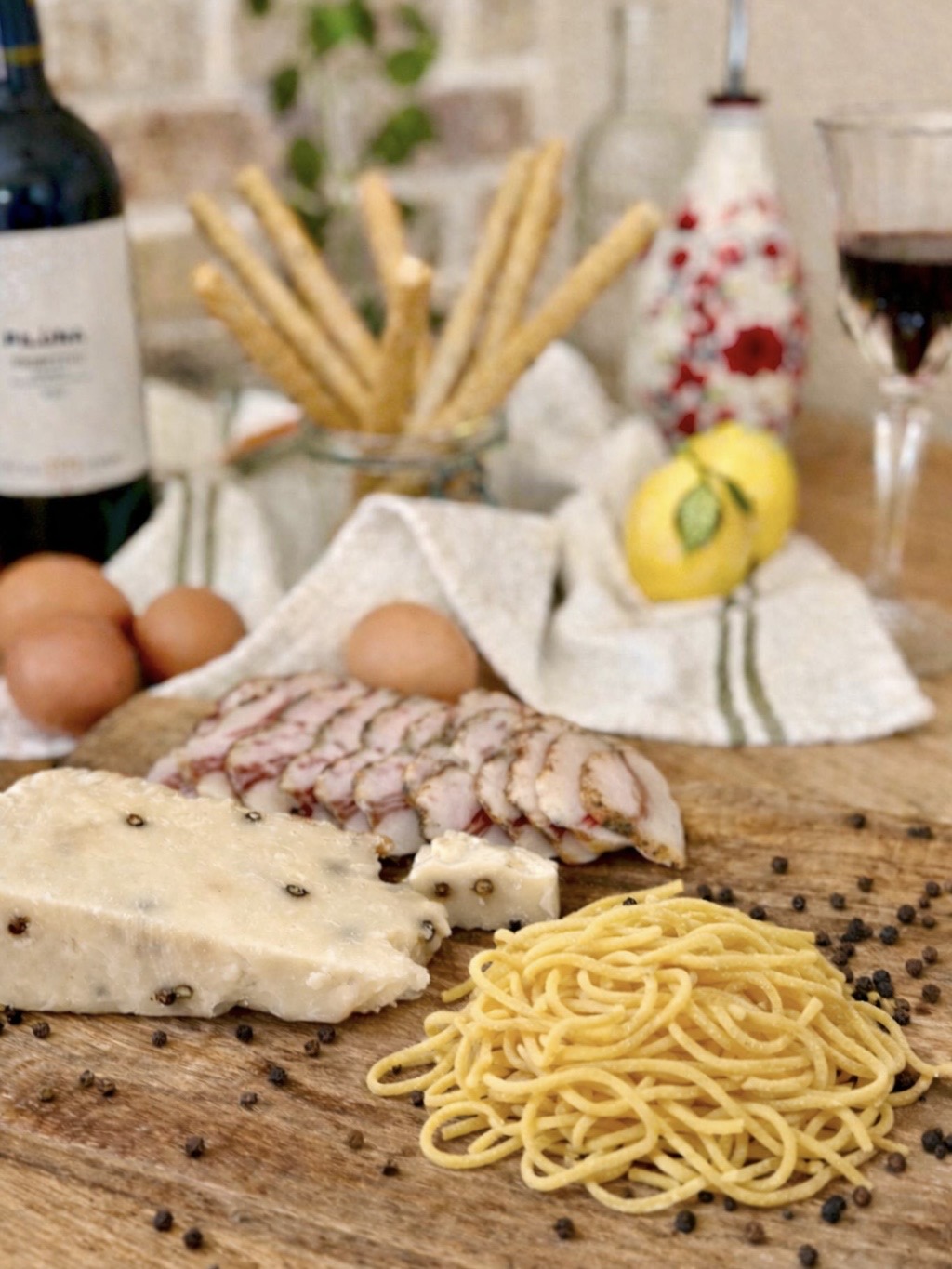
What if I told you that the best pasta for carbonara might not be spaghetti…
Or rigatoni…
Or even bucatini.
Surprising?
In Rome, many chefs would tell you differently.
There’s a name that keeps coming up in real trattoria kitchens.
Tonnarelli.
If you’ve never heard of them, that’s normal.
Outside Italy, they’re still fairly unknown.
Yet…
In Lazio, the region around Rome, they’re almost sacred.
Picture a long pasta, like spaghetti.
But with a square cross-section.
Thicker.
Rustic.
Full of flavor.
Tonnarelli are usually fresh pasta.
Traditionally made with:
- durum wheat semolina
- eggs
- and plenty of craftsmanship
Long ago, they were made with a special tool called chitarra.
A kind of frame with metal wires.
The dough was pressed through…
and cut into long square strands.
Simple.
Artisan.
Purely Italian.
But why are these pastas so incredible in carbonara?
The answer in three words:
texture, grip, character.
Thanks to their square shape:
- the sauce clings better
- pecorino sticks more
- the pasta keeps an amazing bite
The result?
Carbonara becomes more intense.
Creamier.
More enveloping.
Every bite seems to capture the whole recipe.
At Casa Bandera, we discovered tonnarelli in a tiny Roman trattoria.
No fancy décor.
No marketing.
Just a few close tables.
The smell of pecorino.
And a chef making pasta by hand.
When the plate arrived…
We instantly noticed the difference.
The pasta was thicker.
The sauce clung perfectly.
And that first bite…
Silence around the table.
You know that exact moment when everyone realizes something is special?
That was it.
A Roman friend simply said: “Carbonara loves tonnarelli.”
And honestly…
He wasn’t wrong.
These pastas were made for cheesy sauces.
They’re also the star of another Roman classic:
- Cacio e pepe
An even simpler sauce than carbonara.
Pecorino.
Pepper.
And pasta capable of holding all that intensity.
So yes…
If you want to follow the most authentic Roman tradition,
tonnarelli are often considered the ultimate choice.
But let’s be honest.
All the pastas we’ve discussed can work.
Spaghetti.
Rigatoni.
Bucatini.
Tonnarelli.
The real question becomes:
Which pasta is truly best for carbonara?
And if we had to rank them…
The result might surprise you.
6. Ranking the Best Pasta for a True Carbonara
So, after exploring classic spaghetti, generous rigatoni, surprising bucatini, and legendary tonnarelli…
We reach the question everyone’s itching to ask:
Which pasta should you pick for a truly authentic carbonara?
At Casa Bandera, we don’t do things halfway.
Here’s our ultimate ranking:
- Tonnarelli: without a doubt, the pinnacle. Perfect texture, sauce clings beautifully, intense flavor. One bite and you’re in Rome.
- Spaghettoni: the hearty version of spaghetti. They hold the sauce and bite perfectly. For those who want character.
- Spaghetti: the timeless classic. Elegant, thin, perfect for a traditional carbonara.
- Rigatoni: rustic and indulgent. Perfect for those who want each tube loaded with sauce and guanciale.
- Bucatini: bold and surprising. The hollow center captures the sauce, but they’re not everyone’s favorite.
Notice something?
Every pasta has its personality.
Every shape changes the experience.
And that’s exactly what makes carbonara so fascinating.
It’s not just a dish.
It’s a subtle balancing act between:
- the pasta
- the sauce
- the cheese
- the guanciale
Choose the right pasta…
And every bite becomes a true Roman immersion.
Choose the wrong one…
And the sauce slips, the bite disappears, and the dish loses its soul.
So, what’s the takeaway from this ranking?
Simply this:
The best choice depends on your carbonara style:
- Traditional and elegant → spaghetti
- Hearty and rustic → rigatoni
- Bold and intense → bucatini
- Authentically Roman and ultimate → tonnarelli
Now that you know the top pastas, the next step is obvious.
You also need to know which pastas to avoid at all costs so you don’t ruin the carbonara.
And trust me… some surprises will really raise your eyebrows.
7. Pastas to Avoid for Carbonara
Now that you know which pastas to choose…
It’s time to talk about the traps to avoid.
Because making carbonara is all about the little details.
The wrong pasta and everything falls apart.
So, which ones should you skip?
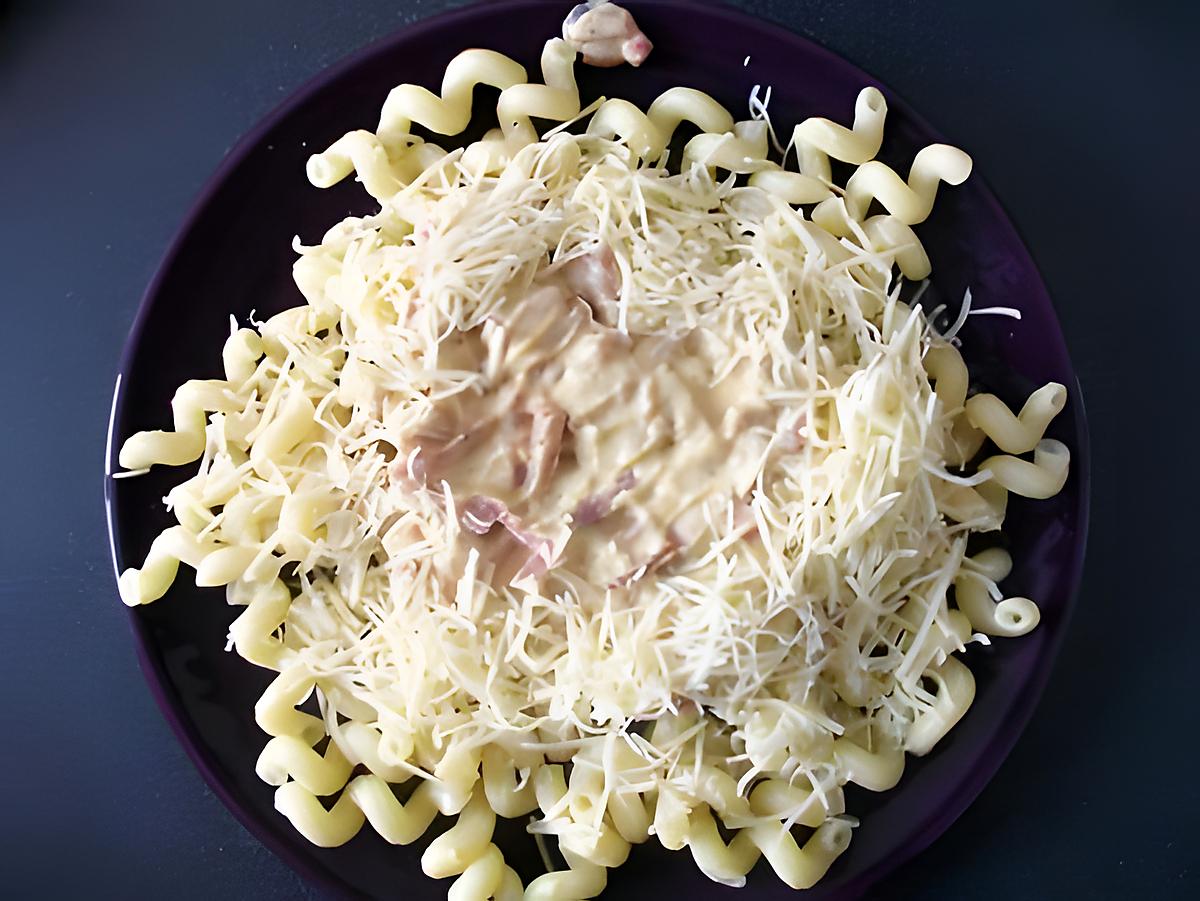
- Farfalle: those adorable little butterflies… but they don’t hold the sauce. Result: a slippery, disappointing carbonara.
- Fusilli: too twisted, giving a gummy feel with carbonara sauce. Lacks fluidity.
- Penne: smooth and cut on the bias, they don’t capture the pecorino or guanciale properly.
- Very thin pasta: like capellini or angel hair. Fragile, delicate, break easily, and drown in the sauce.
See the pattern?
Pasta that fails usually falls into two categories:
- Too smooth → sauce slips
- Too thin or too twisted → no balance in the bite
A good carbonara needs:
- pasta that holds onto the sauce
- pasta that stands up to al dente cooking
- pasta that pairs with guanciale and pecorino
Ignore these rules…
And you get a pretty dish… that tastes bland.
And honestly… that would be a crime against carbonara.
At Casa Bandera, we’ve tested plenty of failed attempts.
Yes, we’ve tasted “carbonara” made with farfalle, fusilli, even penne rigate.
The verdict?
Sad, but useful: some pastas are true anti-carbonara.
So now you know: avoid them. Seriously.
Because every detail counts in this Roman dish.
And there’s still one last secret to know.
The quality of the pasta can make all the difference, even with the right type.
And that’s what we’ll explore next.
Also read: Spaghetti Carbonara: 10 Mistakes You Must Avoid!
8. The Italian Secret: Pasta Quality
So, you know which pastas to pick…
But there’s one detail many overlook.
A well-kept Italian secret.
The shape alone isn’t enough.
Quality matters too.
And trust me, it changes everything.
In Roman kitchens, chefs pay close attention to:
- Bronze-cut pasta: extruded through bronze dies. Result? A rough surface that grabs carbonara sauce perfectly.
- Artisanal pasta: fresh or dry, but crafted with care. They keep their bite and absorb just the right amount of sauce.
- High-quality flour: good durum wheat semolina makes all the difference. Adds structure and flavor.
So choose quality brands.
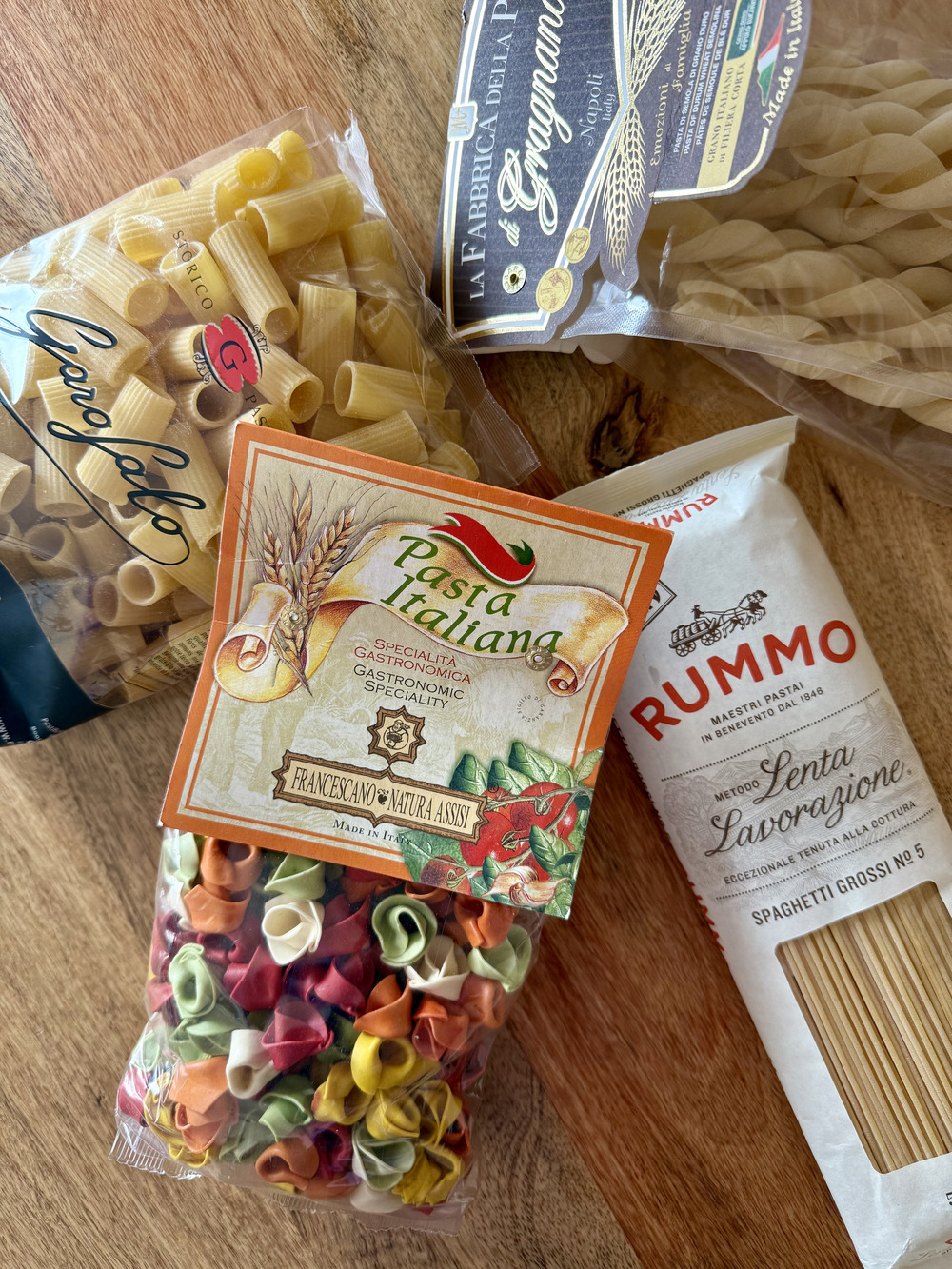
At Casa Bandera, we mostly cook with Rustichella d'Abruzzo, Rummo, and Garofalo.
Why does this matter?
Because carbonara isn’t just about shape.
It’s a subtle balance:
- the pasta
- the pecorino
- the guanciale
- and the cooking water
If the pasta is average…
The pecorino slides.
The guanciale doesn’t blend properly.
And the flavor fades.
But with quality pasta:
- the sauce sticks
- every bite is harmonious
- and the experience becomes truly Roman
At Casa Bandera, we always insist on this point.
A great carbonara starts with:
pasta with character.
So when choosing your spaghetti, rigatoni, bucatini, or tonnarelli…
Make sure it’s:
- well-crafted
- has a nice texture
- and can embrace the sauce like a true Roman chef would
Follow this simple secret…
And no matter which pasta you choose,
your carbonara is already on track to be memorable.
Now it’s time to wrap up this journey through carbonara pastas.
Because the best often ends up on the plate…
9. Conclusion: The Perfect Carbonara Starts with Pasta
So, where do we stand?
You now know:
- which pastas to pick for carbonara
- which shapes to favor and which to avoid
- and why pasta quality is a well-kept Italian secret
The perfect carbonara isn’t just a list of ingredients.
It’s a subtle balance between:
- the pasta
- the egg and pecorino sauce
- crispy guanciale
- and cooking technique
Pick the right pasta…
And every bite becomes a trip to Rome.
Respect tradition…
And you touch authentic Italian flavors.
Add a dash of curiosity…
And you turn a simple dish into a memorable experience for you, your friends, and your famiglia.
At Casa Bandera, we always say:
“Pasta makes the carbonara. Choose it with love, and the rest will follow.”
Now it’s your turn:
- Try tonnarelli for the ultimate Roman tradition.
- Or spaghettoni for a hearty, indulgent version.
- Discover rigatoni and bucatini for exciting surprises in every bite.
And most importantly…
Have fun.
Because a successful carbonara is as much about joy in the kitchen as on the plate.
Next time you make carbonara…
Remember:
The right pasta makes all the difference.
With a bit of pecorino, crispy guanciale, and a touch of Italian skill…
You’ll finally hold a true Roman-worthy carbonara in your hands.
Also read:
History & Origin of Carbonara: The True Roman Story
The Ultimate Guide to Carbonara Pasta: Everything You Need to Know

The Secret to Real Carbonara That Wows Your Guests



Let’s talk cucina together!