 EN
EN  IT
IT  FR
FR 
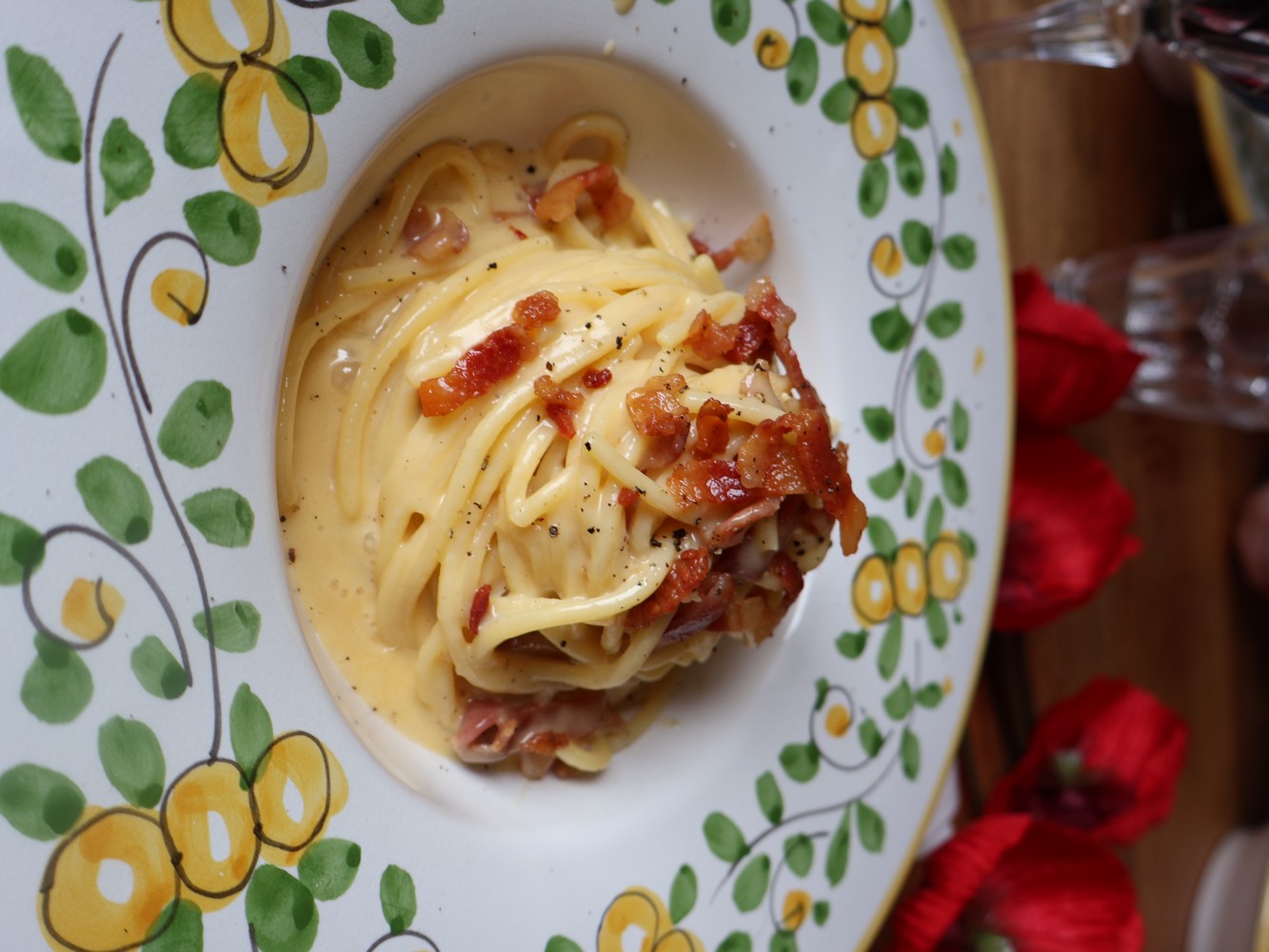
You think you know Carbonara,
but every time you mix your eggs, pecorino, and guanciale…
it goes wrong.
Too runny, too dry, grainy…
and you start wondering if the Italian kitchen curse is after you.
Picture this:
a legendary Roman dish, on your plate,
perfectly creamy, fragrant, and silky.
Today, Casa Bandera is going to reveal everything you need to know to never fail at Carbonara again.
From history to ingredients, to the secret tips for that divine texture.
The Secret to Real Roman Carbonara That Wows Your Guests
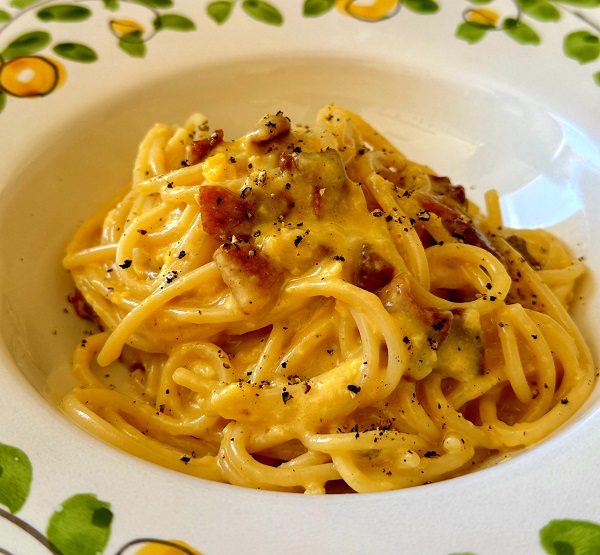
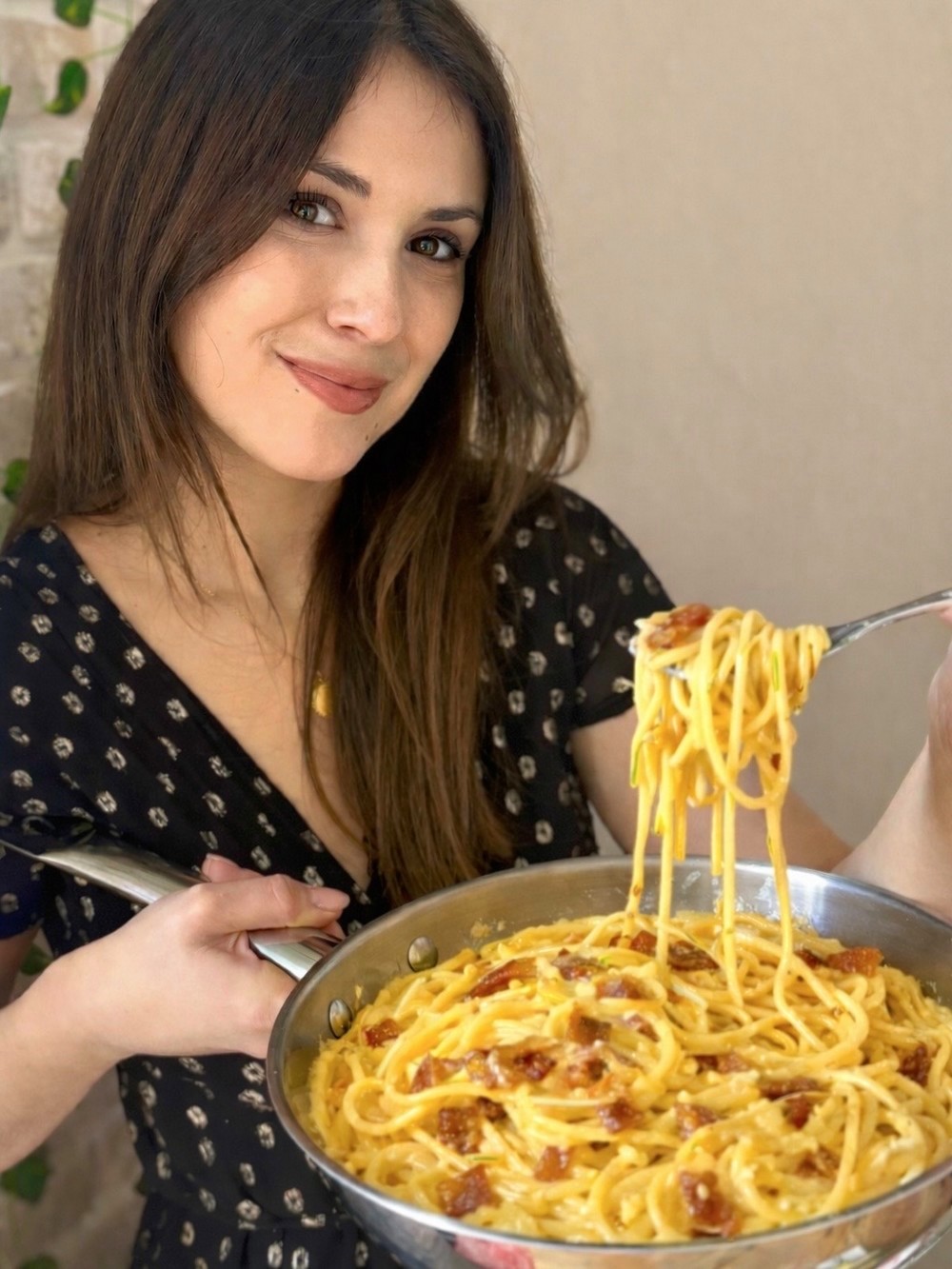
“I thought my Carbonara was ruined… then I discovered these little tricks that make all the difference.
Too runny one night, too dry the next… now every plate is perfect, and my friends can’t believe it.”
— Casa Bandera, from our Family to yours
Table of Contents
What is Authentic Italian Carbonara?
If you think Carbonara is just pasta, eggs, and a bit of cream…
you’re in for a surprise.
Because in Italy, Carbonara never uses cream.
Yet, it’s creamy, silky, almost magical.
Imagine Rome, its narrow streets, the scent of guanciale slowly sizzling in a pan.
A tiny trattoria in Trastevere.
The chef looks at you and says,
“If you want the real Carbonara, you need to understand its secrets.”
At Casa Bandera, these secrets are passed down like a family legacy.
Every egg, every slice of guanciale, every pinch of pepper matters.
Miss one detail, and the magic fades.
Here are the 5 essential ingredients for perfect Italian Carbonara:
- Fresh egg yolks: never frozen, the pure flavor makes all the difference.
- Guanciale: no industrial bacon, but the Italian pork cheek, tender and flavorful.
- Cheese: freshly grated Pecorino Romano, no pre-packaged Parmesan.
- Black pepper: generous and freshly ground, it makes the flavors dance.
- Al dente pasta: spaghetti, rigatoni, bucatini… always cooked just right.
Every element counts.
Follow these tips, and you’ll turn your pasta into a dish worthy of Roman trattorias.
Your friends will ask for your secret… and you can smile, thinking, “Casa Bandera taught me this.”
History and Origins of Carbonara Pasta
Ever wondered where Carbonara really comes from?
Because while everyone thinks they know the dish, the truth is often forgotten.
So grab a seat, imagine Rome, sunlight on the rooftops, cobbled streets, and the scent of guanciale gently sizzling.
Carbonara wasn’t born in a fancy restaurant.
It was born in the simple kitchens of Italian miners, the coal workers,
or “carbonai,” in central Italy in the early 20th century.
Yes, coal workers.
They needed a quick, hearty, and comforting meal.
Simple ingredients, easy to carry, with a taste that warmed the heart after long dusty days.
That’s why some say the name “carbonara” comes from carbone (coal).
But beware… not all historians agree.
Some claim the dish emerged after World War II.
Americans brought bacon and eggs to Italy.
The Italians, always inventive, adapted these ingredients to their culinary tradition.
Guanciale replaced bacon, fresh eggs became the binder,
and Pecorino Romano added that irresistible salty touch.
What I love about this story is its simple, family-style ingenuity.
Every plate is the result of tradition, skill, and a love for doing things right.
And if you want, Casa Bandera invites you to feel this emotion in every bite.
Here’s what makes Carbonara so unique:
- Simple: 5 main ingredients, but magical results.
- Fast: born to feed hard-working people.
- Bold flavor: guanciale and pecorino pack a punch.
- Adaptable: yet always true to its Italian roots.
- Family heritage: each generation has its version, but the heart remains.
Every time you make Carbonara, you touch a piece of history.
It’s not just pasta on your plate.
It’s a journey through time, a connection to Rome and the Italian families who passed this dish down for generations.
Next time you mix your eggs and pecorino, remember:
You’re continuing a 100-year-old tradition.
And Casa Bandera is here to guide you, so every bite tells the story with love and authenticity.
Discover the full history of Carbonara
Ingredients for Real Carbonara
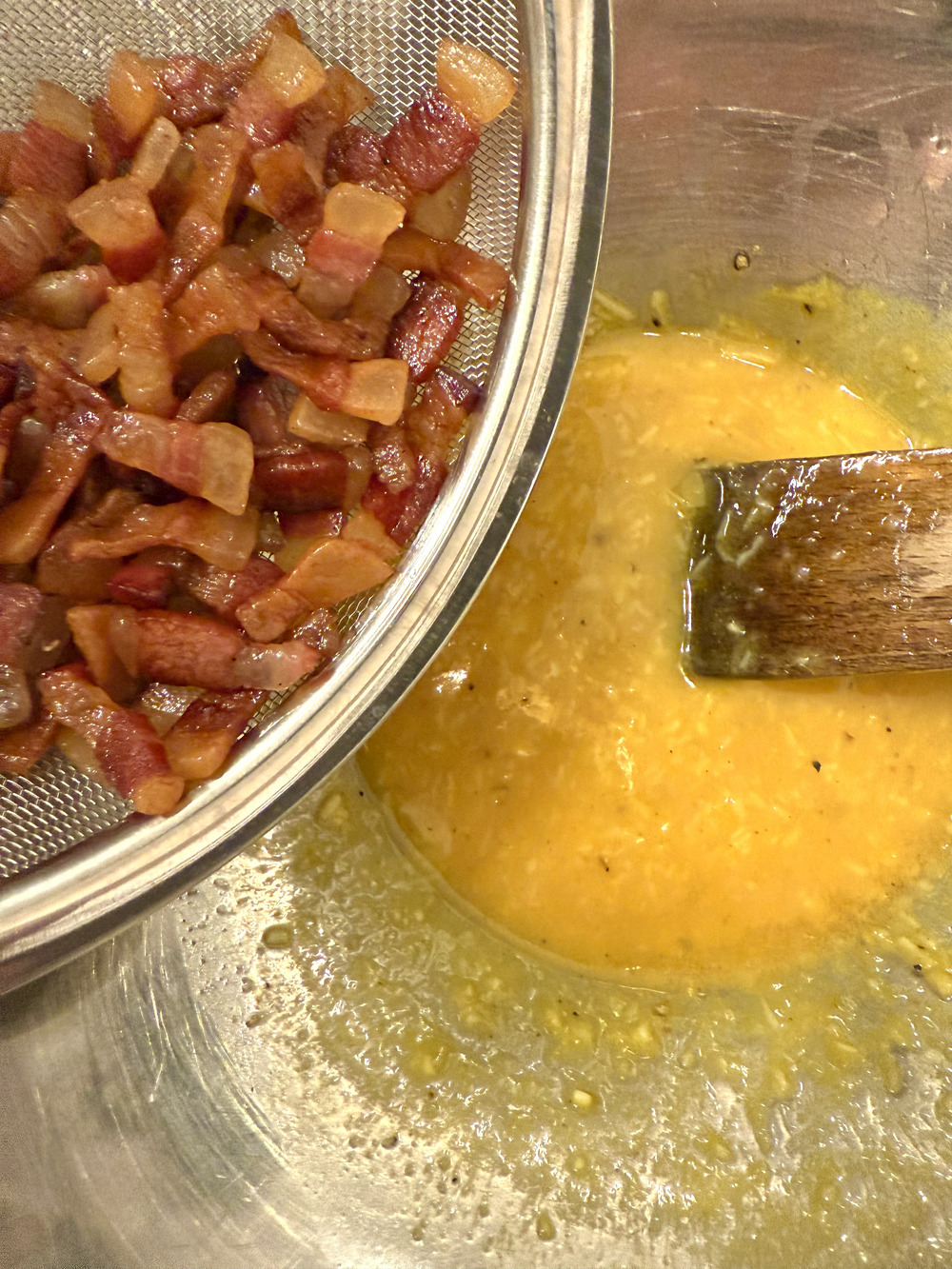
If you think Carbonara is just pasta, eggs, and a bit of cream… think again.
Every ingredient has its purpose.
Every detail matters.
At Casa Bandera, we always say: “Respect the ingredients, and the magic happens.”
So, what are the ingredients that make real Italian Carbonara?
Here are the 5 essentials:
- Fresh egg yolks: No frozen or factory eggs. They give the creamy, light texture. You’ll taste the difference in the first bite.
- Guanciale: Italian pork cheek. Tender, aromatic, a unique taste that bacon or pancetta can’t replace. It’s the heart of Carbonara.
- Cheese: Pecorino Romano, freshly grated. Salty, powerful, blending with eggs to create perfect creaminess. No pre-packaged Parmesan, please.
- Black pepper: Freshly ground. Adds character and makes flavors dance. Generous, but never overpowering.
- Pasta: Spaghetti, rigatoni, bucatini… always al dente. A soft pasta is not Carbonara.
Each ingredient tells a story.
Guanciale brings you back to a 20th-century Roman kitchen.
Pecorino speaks of the hills of Lazio and shepherds making cheese by hand.
And the eggs… they’re the generosity of a family meal, passed down through generations.
So, if you want perfect Carbonara:
- Never compromise on quality.
- Respect the proportions.
- Take your time assembling it.
At Casa Bandera, we say Carbonara is a little Italian miracle.
Because with just 5 ingredients, you can turn ordinary pasta into a legendary dish.
Follow these tips, and each bite becomes a journey to Italy.
A journey to share with family, friends… or just savor alone, smiling.
Because real Carbonara is love, patience, and taste. And now, you know exactly where to start.
Discover the complete list of Carbonara ingredients
Bacon, Pancetta, or Guanciale: Which One to Choose?
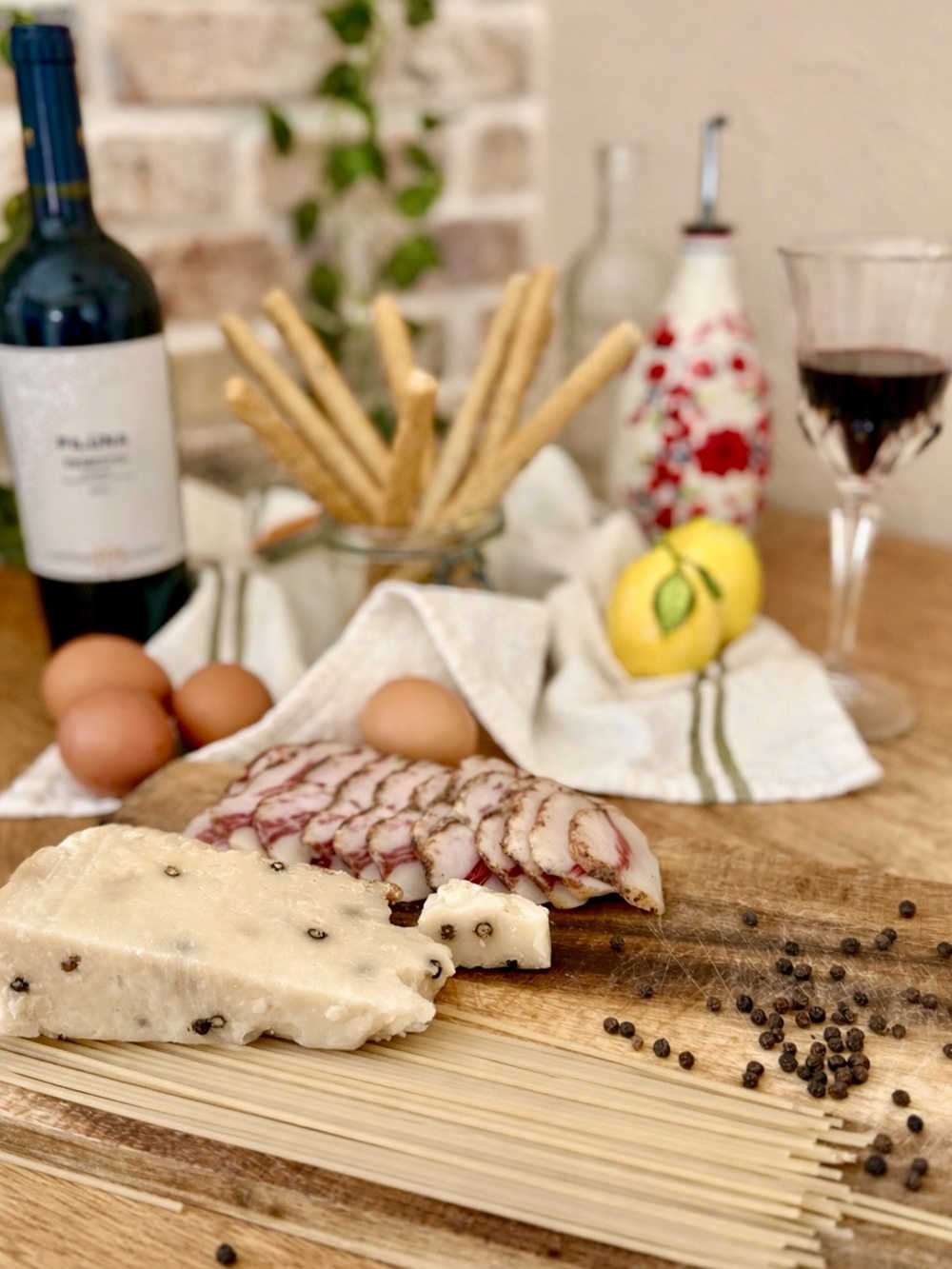
You're standing in front of your pan, ready to make carbonara, and suddenly the question pops up:
"But what do I use: bacon, pancetta, or guanciale?"
Take a deep breath. Let's sort this out.
Because the choice of meat changes everything.
And at Casa Bandera, we don't mess with tradition.
Imagine Rome, the narrow streets of Trastevere, and the irresistible aroma of guanciale sizzling gently.
You quickly understand why Italians are so strict.
Here’s what you need to know:
- Guanciale: the undisputed king. Melting, flavorful pork cheek. This is what gives carbonara its richness and unique taste. Want to stay true to tradition? Look no further.
- Pancetta: the close cousin. Less fatty, sometimes smoked. It can help if you can’t find guanciale, but it will never match the depth of the original flavor.
- Bacon: a practical solution, often used outside Italy. Easy to find, cooks quickly. But beware: the flavor is simpler, less complex, and the smokiness can overpower the carbonara.
So, how do you choose?
Casa Bandera always says: "If you want the perfect carbonara, invest in quality."
Guanciale isn’t expensive, but it makes all the difference.
Even if you’re in a hurry, take the time to cut it into uniform strips.
Why? Because each piece will melt evenly and create that creamy texture that Italians swoon over.
Chef’s little secret:
- Don’t over-salt, the pecorino and guanciale do the work for you.
- Cook on medium heat, gently, so the fat flavors the pasta.
- No rushing: the magic happens in the calm of the pan.
And trust me, once you’ve tasted carbonara with guanciale crisp on the outside and melting inside…
You’ll never go back.
It’s like finding the Rome of your dreams on a plate.
Casa Bandera guarantees it: the choice of meat is the heart of carbonara.
So take your time, choose wisely, and savor every bite with pride.
Discover our full article: Which to Choose – Guanciale, Bacon, or Pancetta
Which Cheese Should You Use for Carbonara?
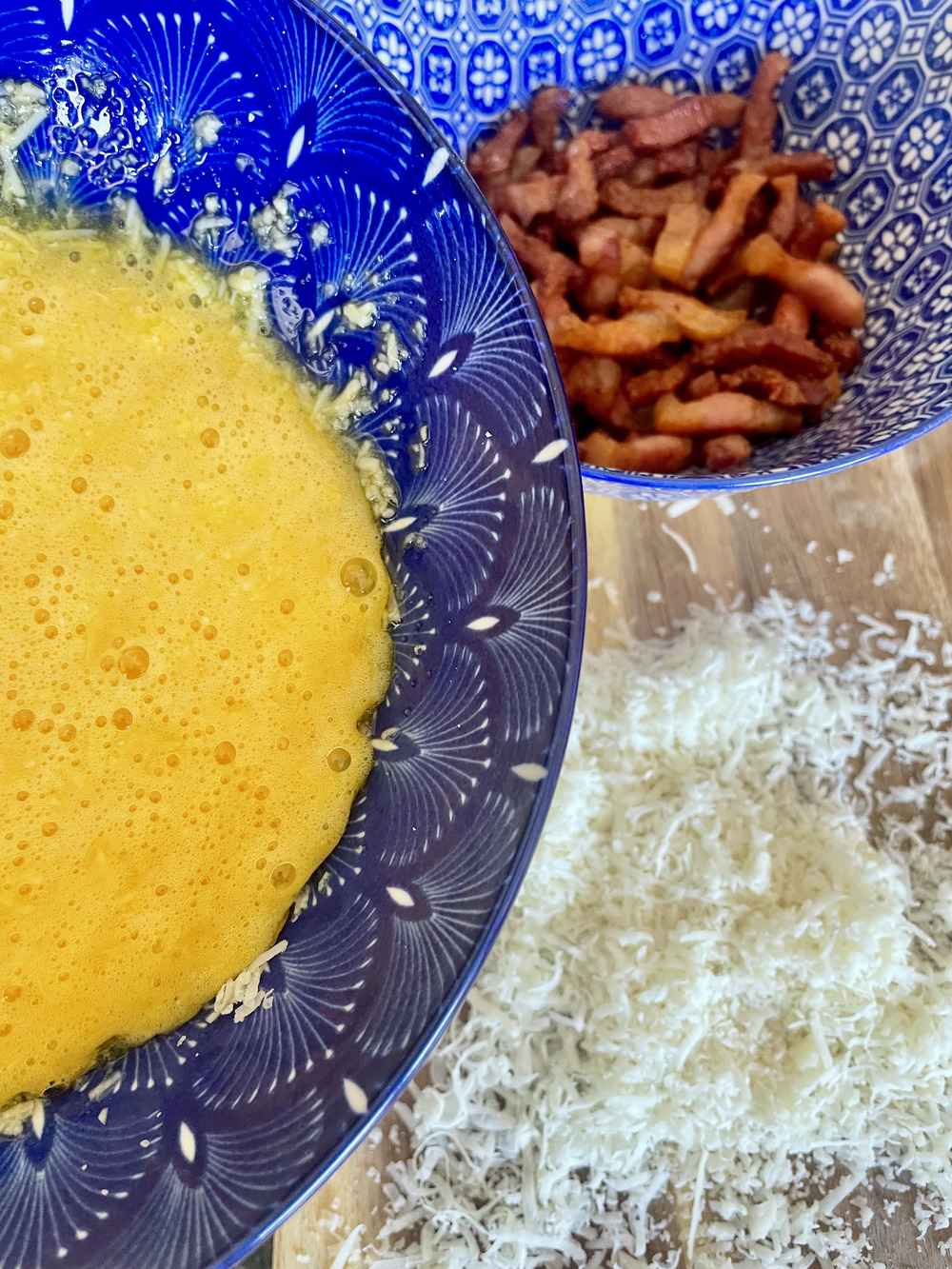
You have your pasta, your eggs, your guanciale… but one thing is missing.
The cheese.
Not just any cheese.
Because the wrong choice turns your masterpiece into an ordinary dish.
So, which one to choose? Casa Bandera has you covered.
In Italy, there’s no compromise:
- Pecorino Romano: the ultimate classic. Sheep’s milk, salty, and full of character. It mixes with the eggs to create that perfect creaminess. It brings personality and makes your taste buds dance.
- Parmesan: sometimes used outside Italy. Milder, less salty, less distinctive. It can do in a pinch, but it will never give the true creamy texture of Italian carbonara.
Casa Bandera’s little secret:
Grate your cheese just before adding it. No pre-grated powder. Freshness changes everything.
Tips to elevate your carbonara:
- Use 100 g of pecorino for 4 people. Yes, exactly. Too much or too little disrupts the balance.
- Add cheese off the heat to prevent eggs from curdling.
- Generously add black pepper, it highlights the cheese.
- Taste and adjust, but never compromise on quality.
Imagine mixing pecorino with eggs and guanciale…
Magic happens. A creamy, glossy sauce coats every spaghetti.
Every bite tells a story.
From the hills of Lazio to the trattorias of Rome, every plate honors generations of heritage.
At Casa Bandera, we always say:
"Cheese isn’t just an ingredient, it’s the soul of carbonara."
Add your personal touch, but never change the heart of the dish.
Because mastering carbonara means balancing eggs, guanciale, pepper, and pecorino.
Next time you cook pasta, remember:
Choose your cheese carefully. Grate it fresh. Let Italian tradition transform your plate into pure bliss.
Discover our full article: Which Cheese to Use in Carbonara
The Secret to Real Roman Carbonara That Wows Your Guests
Which Pasta to Choose for Carbonara?
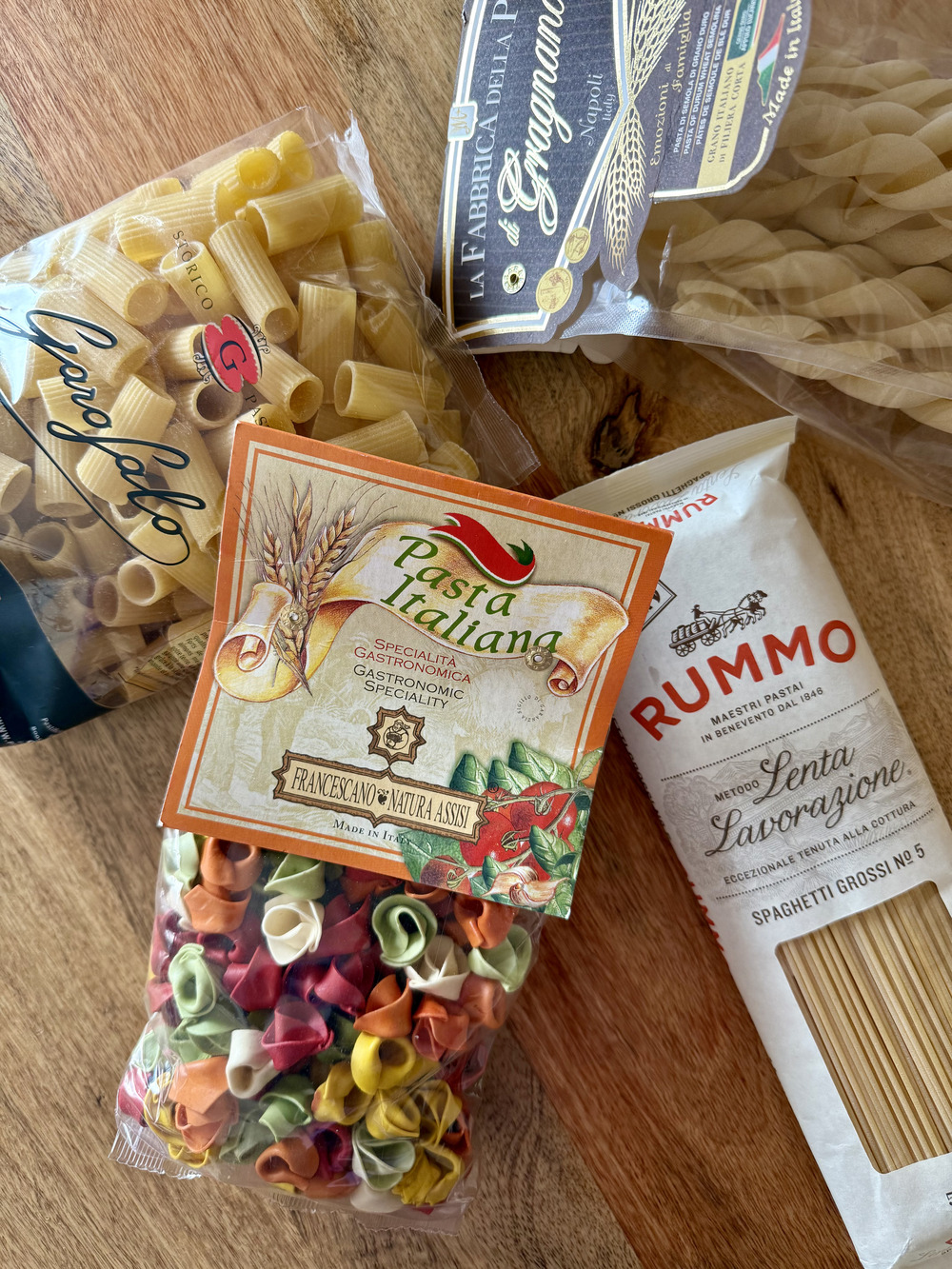
You have all your ingredients, but one crucial question remains:
Which pasta should you use for carbonara?
Because with the wrong shape, even the best eggs and guanciale won’t save your dish.
At Casa Bandera, we always say: "The pasta is the stage where carbonara performs its symphony."
Here’s your dream cast:
- Spaghetti: the classic favorite. They coat the sauce perfectly. Simple, effective, and loved by most Italians.
- Spaghettoni: a thicker spaghetti. For those who like a bit more bite. The sauce clings better and the texture feels luxurious.
- Bucatini: long hollow tubes that trap the sauce inside. Every bite is an explosion of flavor.
- Tonnarelli: similar to spaghetti but squared. Typical of Lazio, perfect for authentic carbonara. It gives a unique texture under your teeth.
- Rigatoni: wide and ridged. Ideal for a hearty carbonara. The sauce slides into every groove, making every bite sing.
So, how to choose?
Casa Bandera advises:
- For a classic, elegant dish: spaghetti.
- For more texture and bite: spaghettoni or tonnarelli.
- For a generous, indulgent meal: rigatoni or bucatini.
Chef’s little secret:
Never overcook the pasta.
Al dente, always. Because soggy carbonara is a crime against Italy.
Cooking must follow the rhythm of the pan, not the timer.
Imagine: you drain your al dente spaghetti.
Gently mix it with eggs and pecorino.
The guanciale fat, the pepper, the cheese… every strand of pasta becomes a journey to Rome.
Casa Bandera guarantees:
Choosing the right pasta transforms your dish.
It’s not just a detail—it’s the difference between an ordinary meal and a legendary moment.
So grab your spaghetti, spaghettoni, or bucatini.
Respect the cooking.
And savor every bite as if you were in a trattoria in the heart of Rome.
Discover our full article: Which Pasta to Choose for Carbonara
Mistakes to Avoid for the Perfect Carbonara
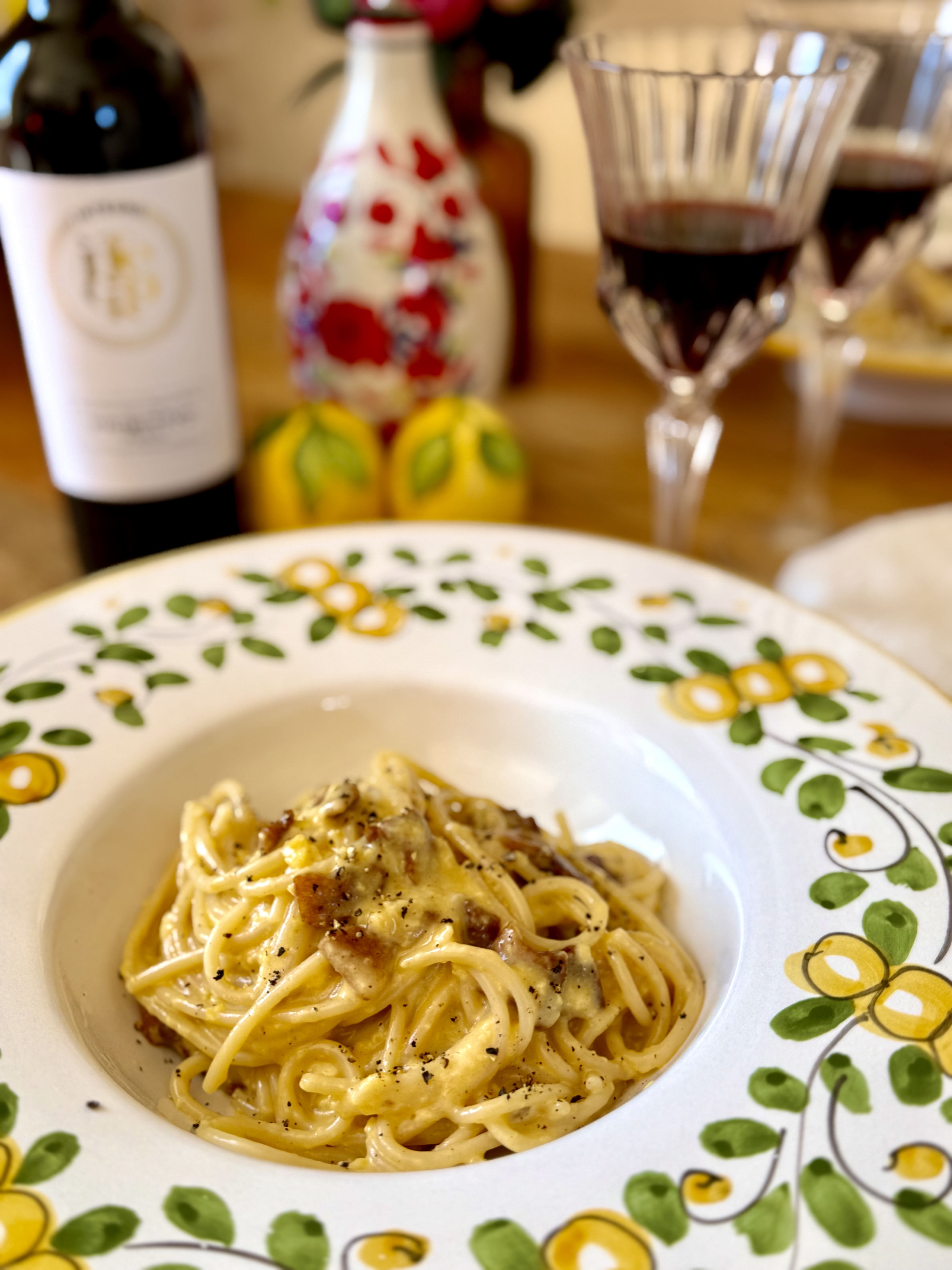
You’ve got all your ingredients—pasta, guanciale, eggs, and pecorino… yet sometimes, things go sideways.
Too runny, too dry, grainy… and you wonder what went wrong.
At Casa Bandera, we know these disasters well.
But don’t worry. Knowing the pitfalls is all it takes to avoid them.
Here are the 10 most common mistakes—and how to dodge them:
- Cream… or how to ruin carbonara in one step: real carbonara is creamy thanks to eggs and cheese, never cream.
- Using bacon instead of guanciale: convenient but missing the unique aroma and depth of the authentic dish.
- Overcooking the pasta (and forgetting the pasta water): always al dente. Pasta water helps the sauce cling and creates the perfect texture.
- Adding the eggs carelessly: off the heat, slowly, or you’ll end up with scrambled eggs.
- Replacing pecorino with parmesan—or worse: milder taste and less creamy sauce. Italian tradition doesn’t forgive.
- Using fresh pasta instead of dry spaghetti: it won’t hold the sauce and becomes mushy too fast.
- Not adding enough black pepper: freshly ground pepper is essential to bring all the flavors alive.
- Pouring the sauce over the pasta instead of mixing it: gentle assembly ensures the sauce coats evenly.
- Salting the pasta water too much: guanciale and pecorino already bring enough salt.
- Serving immediately without a brief rest: 30 seconds of rest lets the sauce set slightly for perfect texture and flavor.
Casa Bandera’s little secret:
Avoid these 10 pitfalls, and you’re 90% likely to nail your carbonara.
The rest? A bit of patience and lots of Italian love.
Picture it: al dente spaghetti, gently mixed with eggs, pecorino, and guanciale fat…
The sauce coats every strand perfectly.
Neither runny nor dry. Just creamy and shiny.
You taste it—and smile.
Because you know you avoided all the traps.
At Casa Bandera, we say: perfect carbonara isn’t luck.
It’s earned, with respect for the ingredients and a touch of Italian love.
Keep this list handy next time you cook.
Turn every plate into a little Roman miracle.
Read our full article: 10 Mistakes to Avoid with Carbonara
Carbonara: With or Without Cream?
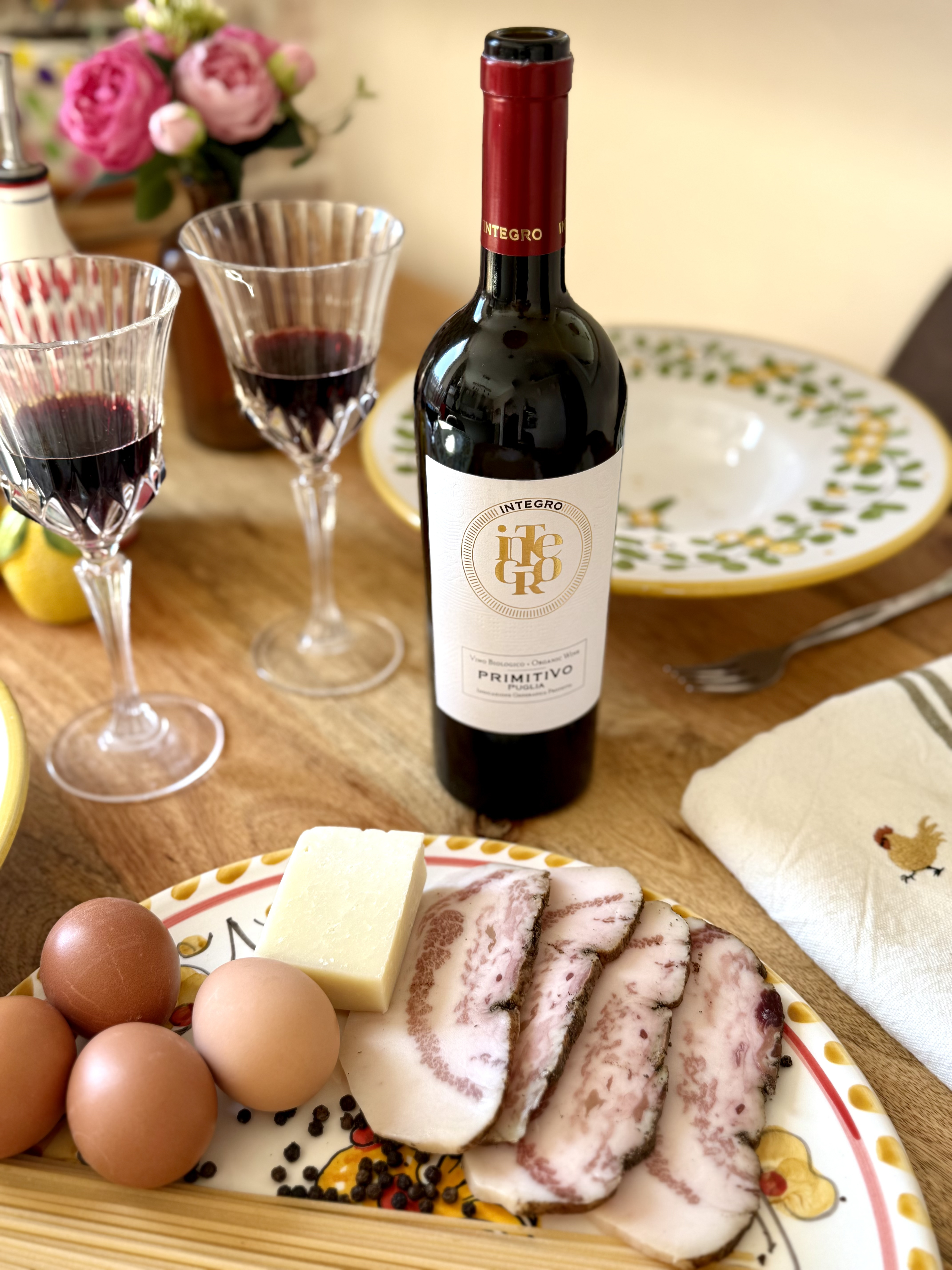
Let’s tackle the big debate: cream or no cream?
You’ve probably seen recipes drowning in cream.
And you wonder: “Is this really carbonara?”
At Casa Bandera, we say: never, ever, ever!
Authentic Italian carbonara is creamy thanks to eggs and cheese—not cream.
Cream is easy.
Fake comfort.
If you want tradition, you need to understand why.
Here’s why cream should stay away:
- Respect for ingredients: eggs + pecorino romano + guanciale = perfect sauce.
- Authentic taste: cream dilutes the flavors; you lose the magic of guanciale and pepper.
- Ideal texture: creamy and shiny, naturally, thanks to eggs and pasta water.
- Family heritage: Italian generations have passed down this rule as a treasure.
So, what if you still want a touch of cream?
Casa Bandera advises:
- Never replace the eggs.
- If you add a little cream, it’s only to soften slightly—not to form the base.
- Always taste before adding—too much cream ruins the balance.
Picture this: eggs mixed with pecorino and guanciale fat.
No cream.
The sauce coats every spaghetti strand.
Shiny, smooth, perfect.
You taste it… and it’s a straight trip to Rome.
Casa Bandera guarantees: the magic isn’t in cream.
It’s in respecting tradition and the careful mixing gesture.
Every bite tells a story.
Pepper, cheese, guanciale… everything blends elegantly.
Next time you make carbonara, remember:
Cream? No. Tradition? Yes. Patience, love, and precision? Absolutely.
You’ll get the carbonara Casa Bandera promises: a little Italian miracle on your plate.
Read our full article on Carbonara and Cream
The Traditional Recipe
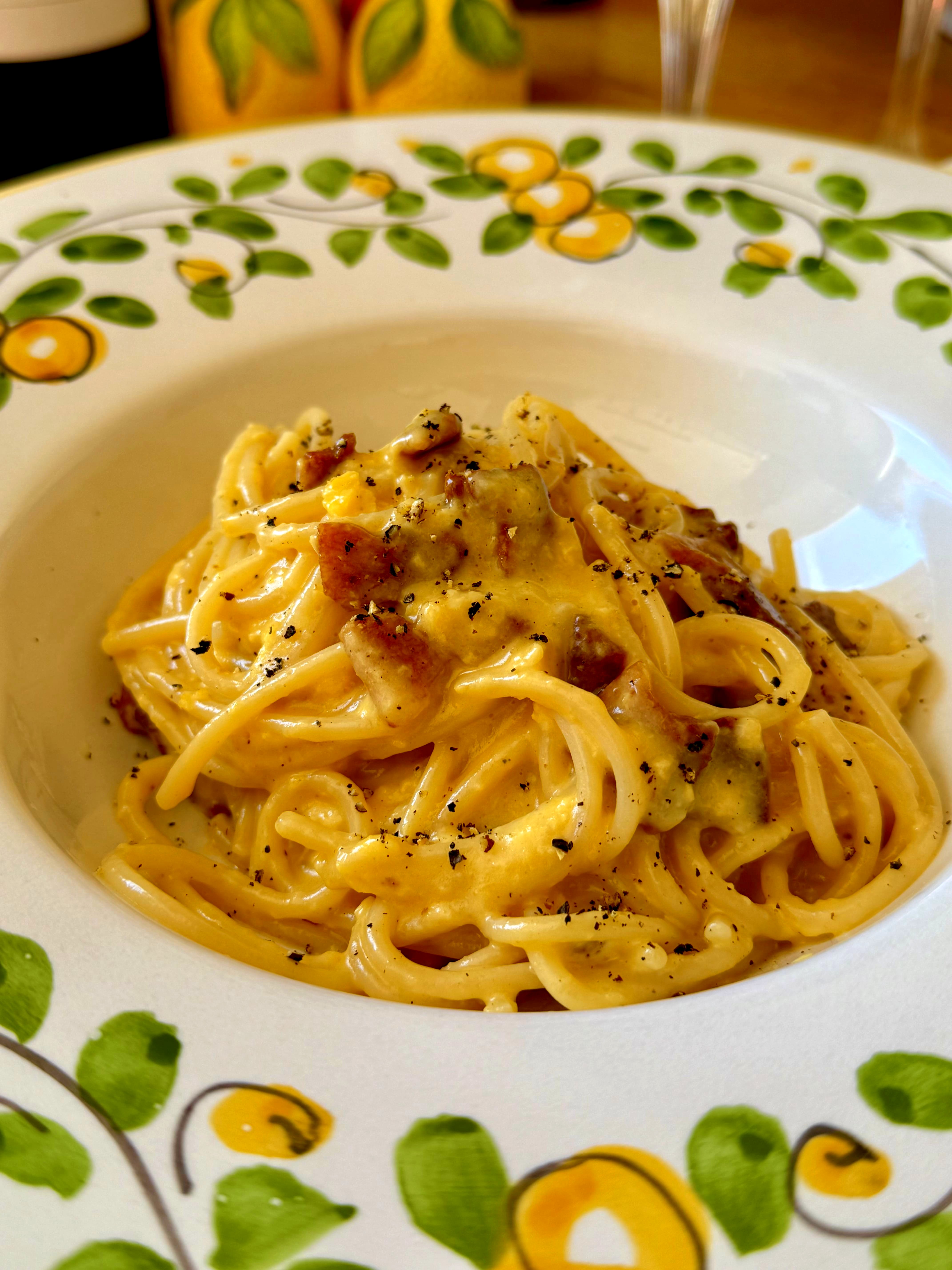
Ready to take action?
After exploring the ingredients, history, pasta, and mistakes to avoid… it’s time to taste real carbonara magic.
But beware—we don’t just give a list of ingredients here.
This is a ritual, a precise gesture, a moment to savor.
Picture the pan gently sizzling.
Guanciale browning, pecorino waiting patiently.
Eggs preparing to turn into a shiny, creamy sauce.
Every step matters. Every gesture counts.
At Casa Bandera, we always say:
“Carbonara isn’t just a dish; it’s a journey into the heart of Rome.”
This journey starts here—but can only be fully savored if you follow the exact recipe.
So, how do you turn all these secrets into a perfect dish?
That’s where our detailed recipe comes in.
It guides you step by step:
- How to prepare guanciale so it’s tender and crispy at the same time.
- How to mix eggs and pecorino for a creamy sauce—without cream.
- How to combine everything with pasta for perfect texture in every bite.
- Casa Bandera tips for a result worthy of Roman trattorias.
Every step is designed so you succeed every time.
No guessing, no risk of disaster.
Just the joy of making and tasting authentic Italian carbonara.
Ready to take action?
For the full recipe, with quantities, tips, and secrets, click here:
Discover the Full Authentic Italian Carbonara Recipe
Once you try it, you’ll never see carbonara the same way again.
Your friends and family won’t either.
Every bite honors Italy, tradition, and Casa Bandera.
Why Is My Carbonara Failing?

Too watery? Too dry?
If you’ve ever faced this drama, you know exactly what I mean.
At Casa Bandera, we’ve pinpointed the most common causes.
Mistakes that make carbonara too watery:
- Too much pasta water: it dilutes the sauce and kills the texture.
- Not enough cheese: pecorino helps bind the eggs and creates creaminess.
- Adding the sauce on the heat: deadly—eggs curdle too fast.
- Pasta too cold: the sauce won’t set properly.
Mistakes that make carbonara too dry:
- Overcooked eggs: they get grainy and dry out the sauce.
- Pan too hot: burns the sauce and dries the pasta.
- Not enough pasta water: your best friend for binding the sauce.
- Too much cheese: sounds weird, but true—it can dry the sauce if not mixed correctly.
The secret to creamy carbonara without cream:
- Perfect timing: every second counts after draining the pasta.
- Pasta water: your ally to adjust texture.
- The dance of eggs, guanciale, and cheese: mix gently off the heat.
- Casa Bandera’s final touch: a pinch of freshly cracked black pepper and a little patience.
What to do if your carbonara is already failing?
- If it’s too watery: add some cheese and stir gently off the heat.
- If it’s too dry: add a spoonful of pasta water and stir gently.
- Casa Bandera tip: always adjust off the heat, tasting and watching the texture.
Bonus: reheating leftovers without drying them out:
- Bain-marie method: heat gently while stirring constantly.
- Pan method: very low heat with a spoonful of pasta water.
- Casa Bandera tip: never microwave directly—sauce curdles and gets grainy.
And the ultimate advice:
Respect timing, pasta water, and precise movements.
Taste, adjust, observe.
Every step counts to never fail at carbonara again.
With these techniques, every plate becomes a little Italian miracle.
Casa Bandera promises: perfect carbonara is within your reach.
Discover all our tips on how to save a failed carbonara
Conclusion: Become a Carbonara Maestro
You’ve reached the end of this complete guide to carbonara pasta.
You now know the history, the ingredients, the ideal pasta, the mistakes to avoid, and the secrets to a creamy sauce without cream.
But more importantly, you know that mastering carbonara isn’t just about following a recipe.
It’s about understanding tradition, respecting every ingredient, and daring to put a bit of your heart in the pan.
Remember:
The secret isn’t in cream, but in precision, timing, and honoring tradition.
With a little practice, every plate becomes a little Italian miracle.
Casa Bandera guarantees: once you master these moves, you’ll never look at carbonara the same way again.
So get cooking, let the guanciale sizzle, grate your pecorino, and savor every bite.
And above all… have fun!
Because a successful carbonara is as much about passion as it is technique, and a true moment of shared joy.

The Secret to Real Carbonara That Wows Your Guests


Let’s talk together!