 EN
 FR


You've invited a few friends over for dinner. The menu is planned, the shopping list is ready, but as the evening approaches, you start thinking about everything you still need to prepare. The table, the drinks, the cooking, welcoming your guests… What if you forget something?
And yet, hosting at home should be a pleasure, not a source of stress. You want to share a delicious meal, catch up with the people you love, and enjoy their company without spending half the evening in the kitchen or constantly checking that every little detail is in place.
The good news is that a memorable dinner doesn't require complicated planning or a series of elaborate preparations. It often comes down to a few thoughtful choices: taking care of the important tasks ahead of time, planning a menu that works, creating a welcoming atmosphere and, above all, knowing when to let go once your guests arrive.
Imagine opening your door with a smile, welcoming your friends with a drink and taking the time to enjoy a conversation. The table is set, music gently fills the room, and dinner unfolds naturally without you having to keep an eye on every little thing. You're no longer simply the person organizing the evening. You're fully part of it.
This is the approach to hosting we want to share with you at Casa Bandera. Inspired by the Italian Art of living, it is built around one essential idea: the host should enjoy the evening just as much as the guests. Because the real goal isn't to create a flawless dinner party, but to create an unforgettable Italian experience at home, filled with good moments, generosity and genuine connection.
Free Guide: 10 Golden Rules for Hosting Italian-Style
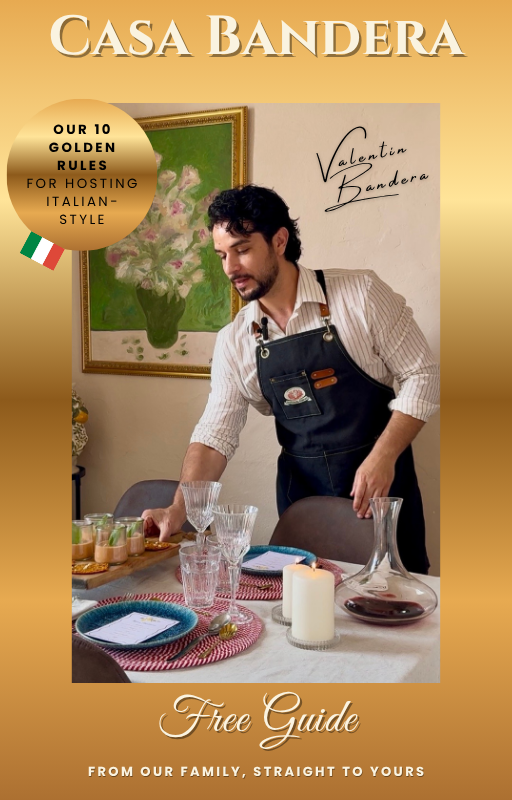

“In Bologna, I learned that hosting isn't about impressing your guests with what you prepare. It's about making them feel they're exactly where they're meant to be.”
— Casa Bandera, from our Famiglia to yours
Table of Contents
Why Hosting Often Feels More Complicated Than It Should
Planning a dinner at home can quickly turn into a long list of little worries. You want to put together a menu everyone will enjoy, set a beautiful table, make sure there's enough food, serve each course at just the right moment and ensure your guests have everything they need. When you try to anticipate every last detail, what should be an enjoyable occasion can easily become a full-blown exercise in logistics.
The problem often starts with how we define a successful evening. We imagine we need to have everything under control, that every dish must be perfectly executed and that the house must look immaculate. We end up focusing so much on what our guests will see that we sometimes forget about what they will actually experience.
Yet a memorable dinner party isn't measured by the number of courses served or the sophistication of the decor. An elegant table cannot make up for a host who's constantly disappearing, just as an elaborate menu doesn't guarantee an enjoyable evening. What really matters is finding the right balance between preparation, your guests' comfort and the pleasure of sharing the moment.
At the family gatherings and dinners with friends I've experienced in Italy, I've often noticed this focus on what truly matters. That doesn't mean everything is improvised or that no one cares about the planning. Quite the opposite. Things are prepared in advance so that the meal can unfold naturally. The host knows what needs to be done but never lets the logistics take center stage.
This shift in perspective is precisely what can transform the way you host. Instead of trying to control everything throughout the evening, focus your efforts on the decisions that will genuinely make a difference: a menu you're comfortable preparing, dishes you can get ready ahead of time, a welcoming table and a flow that works with your own pace.
You'll then be able to welcome your guests without having ten things left to finish, stay at the table with them and be part of the conversation. That's also what the Italian Art of hosting is all about: creating the conditions for a wonderful shared experience without turning the planning into a performance.
1. The Host's Mindset
The Casa Bandera Philosophy

A complete and memorable Italian dinner certainly begins in the kitchen, but the experience starts long before the first course is served. It also depends on your mindset and how you approach your role as a host. Are you there to orchestrate every little detail until the very last minute, or to create the conditions for a meal everyone can enjoy, yourself included?
The difference may seem subtle, but it changes everything. When you invite people over, your guests aren't just coming for the food. They're coming to spend time with you, catch up with friends, discover new flavors or simply enjoy an evening together at home. Your presence and the way you welcome them matter just as much as the menu you've prepared.
I often think back to certain dinners in Bologna. What stayed with me wasn't necessarily the complexity of the recipes, but the way the hosts welcomed their friends. A smile at the door, a drink offered without being asked, a few words about the meal and that natural ability to be present and attentive throughout the evening. Nothing felt forced because the important things had already been taken care of.
To embrace this approach, start by accepting that a dinner party will never be perfectly under control. A dish might take a few extra minutes, a guest might arrive late and a conversation might run longer than expected. These aren't problems that need to be fixed at all costs. They're simply part of sharing a meal. The more comfortable you become with that idea, the more calmly you'll handle the little surprises along the way.
Your role isn't to control every moment, but to set the pace and make sure everyone feels comfortable. By taking care of enough things ahead of time, you can remain available, attentive and fully present. That quiet confidence is what gives an evening its natural, effortless feel.
Managing Stress Before Guests Arrive
Stress often creeps in during the final few hours, when several tasks seem to need your attention at once. Dinner is still being prepared, the table isn't quite ready, and you're wondering whether you'll have enough time to get changed before your guests arrive. The best way to avoid this last-minute rush is to take care of as much as possible ahead of time.
Start by identifying everything you can prepare the day before: choosing and ironing your table linens, setting out the dinnerware, chilling the drinks, preparing certain menu components, or putting together your playlist. On the day of the dinner, you'll only have the tasks that genuinely require last-minute attention. You can also create a simple schedule outlining preparation, cooking, and arrival times to get a clear picture of how the evening will unfold.
A few thoughtful touches can also help create a welcoming atmosphere from the moment your guests walk through the door. Prepare a playlist suited to the mood of the evening, have an easy-to-serve aperitivo ready, and set aside a space where everyone can leave their coats and belongings. If you'd like to serve coffee or a digestivo after dinner, decide in advance where everything will go so you aren't searching for cups and glasses at the last minute.
Here are a few things you can easily take care of ahead of time:
- The music: Put together an Italian or instrumental playlist that sets the mood without overpowering the conversation.
- The welcome: Set out the aperitivo glasses and drinks somewhere easily accessible, so you can greet your guests without immediately disappearing back into the kitchen.
- The table: Arrange the dinnerware, cutlery, napkins, and decorative touches before the day of the dinner, whenever possible.
- The end of the meal: Plan ahead for coffee, tea, or a digestivo, along with the cups and glasses you'll need.
Finally, give yourself a few minutes before your guests arrive. Finish the last preparations, get changed if needed, check the atmosphere in the room, and take a moment to catch your breath. This little transition is more valuable than it might seem: it allows you to step away from organizing mode and fully embrace your role as a host.
You don't need to have absolutely everything figured out to host with ease. You simply need to plan for the essentials while leaving enough room for the unexpected. Once your guests arrive, put your to-do list aside and enjoy the evening you've taken the time to prepare.
2. Planning and Timing: The Keys to a Successful Dinner Party
Getting Ahead of The Preparation

The best way to enjoy your guests' company is to avoid having everything left to prepare when they ring the doorbell. Much of the work can be done the day before or a few hours before they arrive. The table, decorations, drinks, playlist, and certain menu components can all be taken care of in advance, giving you more time to enjoy the day of the dinner party.
To make sure nothing gets overlooked, take a few minutes to put together a preparation checklist. Write down the ingredients you'll need, the dishes you plan to serve, the order in which they'll be presented, and each dish's cooking time. Include tasks related to decorating, welcoming your guests, and serving the meal. You can even add a few ideas to make the evening more personal, such as a carefully curated playlist or a small thoughtful gesture for your guests.
This list isn't meant to turn your dinner party into a professional project. Quite the opposite: its purpose is to give you some breathing room. Once your ideas are down on paper, it's easier to visualize each step and spot potential issues before they arise. You can then simplify your menu, move certain preparations to an earlier time, or come up with a backup plan if something looks too time-consuming.
In Bologna, I discovered just how valuable this kind of preparation is through the local approach to hosting. The evening doesn't begin when the guests arrive; it starts taking shape long before that. The glasses are ready, the drinks are at the right temperature, the table is set, and every last detail is already in place. All that's left is to welcome everyone and enjoy the moment.
A good habit is to separate the tasks you can complete ahead of time from those that require your attention at the last minute. A sauce can often be prepared the day before, vegetables can be washed and chopped a few hours in advance, while cooking the pasta or finishing certain dishes should happen closer to serving time. This approach helps you maintain the quality of the meal without constantly running back and forth between the kitchen and dining room.
The more you plan ahead, the more freedom you'll have on the day of the dinner party. And that freedom makes all the difference: you can take your time getting ready, welcome your guests without rushing, and start the evening without feeling like you're already running behind.
The Flow and Rhythm of The Evening
A memorable dinner is about more than simply serving one course after another. It has its own rhythm, with moments to welcome guests, time for conversation and natural transitions that allow everyone to enjoy the evening. The idea isn't to fill every minute, but to create a flexible structure that lets the evening unfold naturally.
Start by welcoming your guests with a drink and a few easy-to-share antipasti. This first moment gives everyone time to settle in, catch up and reconnect without having to sit down at the table straight away. Once everyone has arrived and conversations are flowing, you can invite your guests to take their seats and begin the meal.
To give you a general idea, here's an example of how an evening with friends might unfold:
- Welcoming drinks and aperitivo: Allow around 20 to 30 minutes to welcome your guests, offer them a drink and share a few antipasti.
- The meal: Set aside around 1 to 1½ hours to enjoy the first course and main course, depending on the menu and the flow of conversation.
- Dessert and the rest of the evening: Give everyone time to enjoy dessert, have a coffee or digestivo and carry on chatting without constantly checking the time.
These timings are only a guide. A dinner can easily stretch well beyond them when conversations are lively, or move along more quickly depending on the occasion. What matters most is avoiding the feeling that each course is being served according to a strict timetable. Instead, allow for comfortable transitions and adapt the pace of service to the energy of your guests.
Good planning makes it easier to stay present and attentive to these moments. When you know the main course is ready to serve, there's no need to step away from the conversation to keep checking on it. You can focus on guiding the evening's rhythm rather than feeling rushed by it.
The Little Touches That Make All The Difference
A successful gathering also comes down to those little details you might not always think of, but that your guests notice and appreciate. They don't need to be expensive or elaborate. More often than not, a thoughtful personal touch means far more than an elaborate display.
You could, for example, tuck a playful handwritten note into a napkin, bring out a bottle you know your friends love or serve an aperitivo that ties in with the theme of the evening. If you'd like to carry that Italian spirit right through to the end of the meal, have the coffee ready and offer a digestivo such as limoncello or amaretto, depending on your guests' tastes.
You can also subtly shift the atmosphere as the evening progresses. Softer lighting when dessert is served, a fresh selection of music or simply clearing the table to make more room can create a lovely transition from dinner to the rest of the evening.
All these gestures have one thing in common: they show that you've thought about your guests' comfort without trying too hard. A thoughtful touch is all the more appreciated when it feels natural and suited to the people you're welcoming into your home. It's this quiet generosity that makes your hospitality feel truly personal.
Free Guide: 10 Golden Rules for Hosting Italian-Style
3. Creating an Italian Atmosphere, Effortlessly
Lighting and Décor
Before your guests even discover what's on the menu, they begin to take in the atmosphere of the room. Lighting, textures, colors and the way the table is set all shape their first impression. To create an ambiance inspired by Italian homes, there's no need to fill the space with accessories. A few carefully chosen details are all it takes to give your home character.
A beautiful wooden table naturally brings warmth to a room. If you're looking for a more dressed-up setting, a linen or cotton tablecloth in soft ivory or beige makes an excellent starting point. From there, you can play with your dinnerware, glassware and a few decorative touches to create a harmonious look. Fresh flowers, citrus fruits or a few olive branches add a Mediterranean feel without overcrowding the table.
Lighting deserves special attention. Candles or a few table lamps create a softer, more inviting atmosphere than harsh overhead lighting. Just make sure there's still enough light for your guests to see the food and enjoy their conversations comfortably. The goal is to strike the right balance between intimacy and warmth.
In Bologna, what stayed with me from some of the family meals I experienced was precisely the absence of excessive sophistication. A beautiful tablecloth, carefully chosen dinnerware and a welcoming room were enough to give the meal its own personality. It wasn't about pursuing luxury, but about taking pleasure in preparing a lovely space where everyone could come together.
You can bring that same approach into your own home by starting with what you already have. A wooden table, a few cloth napkins, a beautiful carafe and some candles can create an elegant setting without buying anything new. The secret is to maintain a sense of harmony between textures and colors, while leaving enough room for the food and, most importantly, the conversations.
Music and Emotion
Music is one of those elements that can transform the atmosphere of a room without you even realizing it. It accompanies conversations, gives the evening its own identity and can even bring back memories of travels or moments shared together. For an Italian dinner, it's a wonderful way to extend the atmosphere beyond the décor and the food.
You could put together a playlist that blends Italian classics, contemporary songs and instrumental pieces. Artists such as Paolo Conte, Lucio Dalla and Pino Daniele bring a distinctive Italian character to the evening. If you prefer something more understated during dinner, an instrumental selection or a few Italian jazz tracks will work beautifully too.
The choice of music depends largely on the moment. Something a little more upbeat can set the tone as guests arrive and during aperitivo, while a softer selection is often better suited to the meal itself. And don't forget the volume: music should complement the conversation, never compete with it.
The easiest approach is to prepare your playlist in advance and let it accompany the evening. That way, you won't need to search for songs or keep switching between playlists. Your guests can simply enjoy the atmosphere, while you remain fully present and available to them.
The Host's Dress Code and Personal Style

When you welcome guests into your home, what you wear also contributes to the atmosphere of the evening. There is no need to reinvent yourself for the occasion or dress up in anything overly sophisticated. Simply choose an outfit that makes you feel comfortable and reflects the spirit of the dinner.
For a summer gathering, natural fabrics such as linen and cotton are particularly comfortable. A lightweight dress, a linen shirt or a well-tailored pair of pants can add an elegant touch while keeping things relaxed. For a more formal dinner, a lightweight jacket, a beautiful pair of shoes or a few understated accessories are often all it takes to elevate your look.
The key is finding the right balance between elegance and comfort. You'll be welcoming guests, serving food, occasionally stepping into the kitchen and joining conversations. An outfit that feels too restrictive can quickly become uncomfortable as the evening unfolds. It's always better to choose clothes suited to your home and the season, allowing you to move around freely.
Mae and I have gradually come to understand that the experience of a dinner party depends on much more than what's placed on the table. The way you welcome your guests, the energy you bring into the room and the attention you give to others all matter just as much. A thoughtfully chosen outfit can help create a lovely first impression, but it can never replace genuine warmth and hospitality.
Ultimately, a host's personal style has less to do with what they wear than with how they carry themselves. A genuine smile, an attentive presence and the ability to make everyone feel at ease are the little things that make guests want to come back. And perhaps that's the most beautiful way to embody the Art of Italian hospitality.
4. Guest Interaction and The Overall Experience
Creating Genuine Connections
Hosting is about more than preparing a delicious meal and serving your guests. It's also about creating an atmosphere where everyone naturally feels they belong. A warm smile at the door, a thoughtful gesture toward a quieter guest or a conversation you take the time to nurture: these are often the simple things that give an evening its human touch.
In Bologna, I met a couple of friends who had a particular gift for this. They knew how to listen, keep a conversation flowing without ever forcing it and give everyone room to participate in their own way. Nothing felt rehearsed, yet everyone felt welcome and appreciated. Their secret wasn't any special technique. It was simply a genuine willingness to connect with others.
As a host, you can encourage these connections too. Introduce guests who haven't met before, start a conversation around a topic everyone can relate to and make sure no one feels left out. The goal isn't to run the evening, but to create the right conditions for genuine connections to happen naturally.
Emotions and Lasting Memories
We rarely remember every detail of a menu, but we remember how an evening made us feel for a long time. A family story shared between courses, a new culinary discovery or a thoughtful gesture at just the right moment can give your dinner party a personality of its own.
For example, you could share the story behind a product you brought back from Italy, explain why a particular recipe holds a special place in your family or introduce your guests to a regional specialty they've never tried before. These moments add depth to the meal and naturally keep the conversation going. More importantly, they create an experience that feels different from an ordinary dinner party.
Imagine your guests leaving with the feeling that they've had a wonderful evening, discovered something new and, above all, shared a genuine moment together. That's the kind of feeling that will make them want to come back.
Handling Unexpected Moments with Grace
Even with the best preparation, a dinner party doesn't always go exactly as planned. A plate might slip from your hands, a dish might take longer than expected or a guest might arrive well after everyone else. None of these things should ruin your evening. What matters most is not allowing a minor mishap to become a bigger deal than it really is.
Take a moment to breathe, respond calmly and, when the situation calls for it, lighten the mood with a little humor. If a dish needs a few extra minutes, simply offer another drink or let aperitivo run a little longer. Your guests don't need to know everything that's happening behind the scenes.
Over time, you come to realize that the host's composure influences the mood of the entire table. If you stay relaxed and accept that an evening doesn't have to go perfectly, your guests will generally do the same. After all, a successful dinner party isn't a performance. It's a moment to be enjoyed together.
5. Thoughtful Touches and The Perfect Ending
It's The Little Things That Make All The Difference

The most appreciated gestures aren't necessarily the most expensive ones. A small keepsake from your latest trip to Italy, a bottle chosen with a particular guest in mind or softly dimmed lighting when dessert is served can sometimes be all it takes to make an evening feel personal.
The end of the meal is also a lovely opportunity to introduce your guests to a few Italian traditions. Brew coffee in a traditional moka pot, offer a chilled limoncello or pour a glass of amaretto for those who would like one. These little rituals naturally extend the pleasure of gathering around the table and make your guests feel that you've thought about every part of their experience.
The key is to choose thoughtful touches that reflect your personality and suit your guests. You don't need many of them. One genuine gesture is worth far more than a series of carefully staged attempts to impress.
Ending The Evening with Elegance
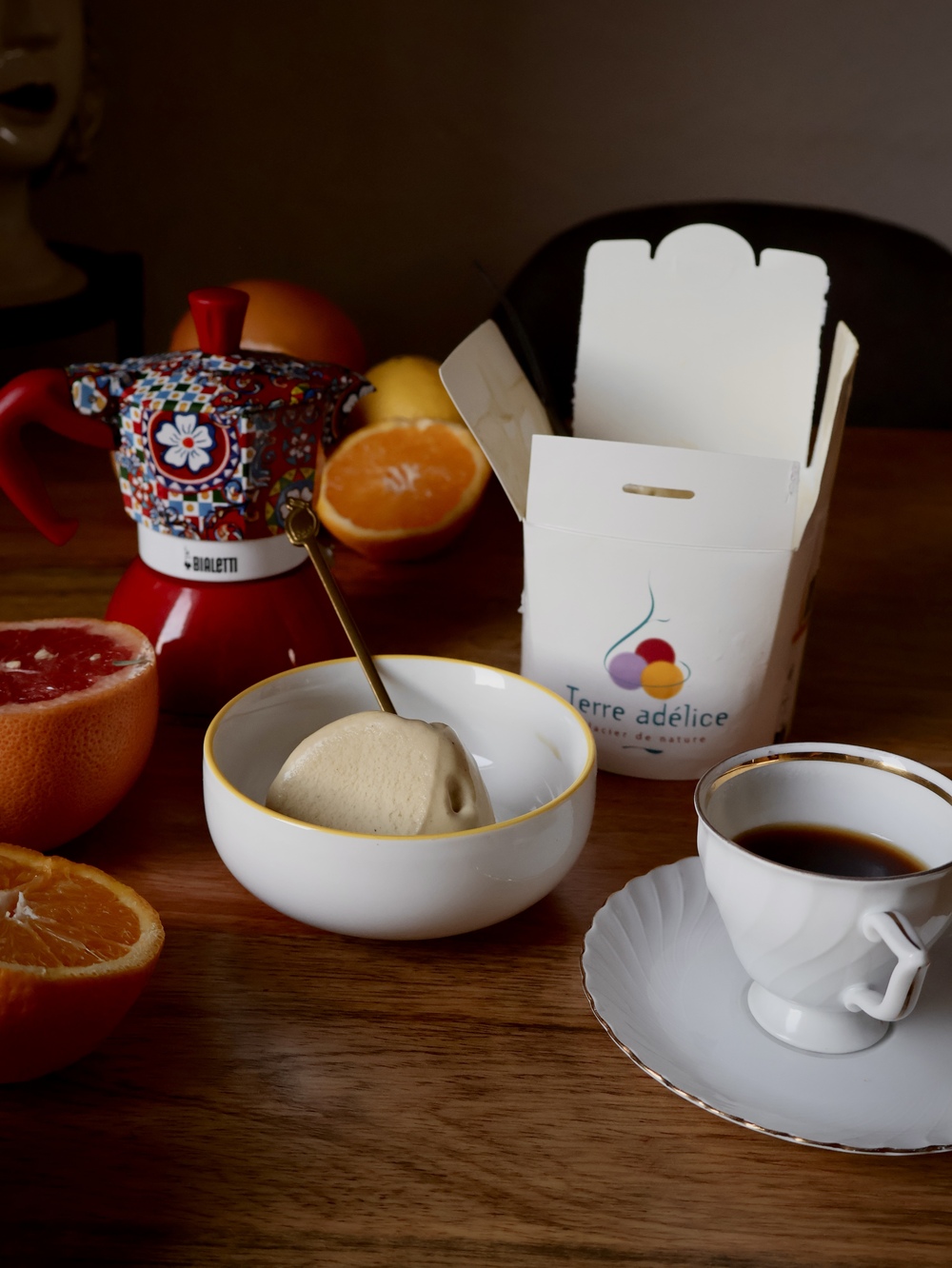
Dessert often marks a natural transition in the evening. A rum-soaked babà, an affogato made with a scoop of vanilla gelato and a shot of espresso, or simply a good cup of coffee can extend the pleasure of the meal without rushing your guests out the door.
By this point, the atmosphere gradually shifts. Conversations become more relaxed, some guests linger around the table while others settle into a comfortable spot to keep chatting. You can clear the table little by little, offer one last coffee or a digestivo, without making anyone feel that the evening has to follow a strict schedule.
Make sure you take the time to enjoy these final moments too. You've prepared the meal, welcomed your guests and made sure everything ran smoothly. It would be a shame to miss out on the pleasure of sharing the evening until the very end.
Turning an Evening into a Lasting Memory
Italian-style hospitality is about much more than serving delicious food. It's about giving just as much importance to the welcome, the conversations and the atmosphere as you do to what's on the plates. A meal can be delicious, but it's often the conversations, the laughter and the feeling of being genuinely welcomed that stay with us.
You don't need to organize a spectacular evening to make that happen. By paying attention to a few details, leaving room for spontaneity and being truly present with your guests, you can turn an ordinary dinner at home into a moment that really matters.
FAQ – Frequently Asked Questions
Start by choosing a menu that suits the number of guests and the time you have available. Prepare as much as possible the day before, set the table in advance and plan the final steps of the evening. This will allow you to spend less time in the kitchen and more time with your guests. A warm welcome and a pleasant atmosphere matter just as much as the food itself.
The best way to keep stress under control is to plan ahead. Choose your menu a few days in advance, check that you have all the ingredients and prepare the table and decorations the day before. On the day of the dinner party, keep things simple and allow some extra time for unexpected delays. Above all, avoid taking on too many last-minute preparations that require your attention.
Choose soft lighting, a few candles, gentle background music and an inviting table setting. Natural materials such as linen and wood, along with a few flowers or olive branches, can also bring warmth to the room. But the atmosphere ultimately depends on your presence and the freedom you give your guests to relax and enjoy the evening.
A successful dinner party starts with good preparation and an organization that works with your menu. Plan a flexible schedule, choose dishes you're comfortable making and avoid spending the entire evening in the kitchen. Once your guests arrive, focus on the conversations and enjoy the time you share with them.
A memorable host knows how to make guests feel at ease. They take the time to welcome everyone, encourage conversation and stay attentive to their guests' needs without trying to control every detail. The goal isn't to impress them with a perfect meal, but to give them a genuinely enjoyable experience.
Conclusion: Become The Host Your Guests Remember
Hosting guests at home shouldn't be a source of stress or turn into a constant race between the kitchen and the dining room. With a little planning and the right organization, you can create a wonderful evening without feeling the need to control every detail. That's exactly what the Art of Italian hospitality is all about: making room for the pleasure of sharing, rather than chasing an unattainable idea of perfection.
To get started, focus on three things: your mindset, your planning and your attention to detail. Choose a menu you can prepare with confidence, take care of the essential preparations ahead of time and make sure you're fully present when your guests arrive.
Because, ultimately, a successful dinner party isn't measured by the number of courses served or how perfectly the table is decorated. It's measured by conversations that linger, smiles shared around the table and that feeling of wanting to get together again soon. That's how an ordinary meal can become a truly memorable Italian experience, and how you can become the host your guests remember long after the plates have been cleared.
Ready to turn your dinner parties into unforgettable Italian experiences? Discover the Positano Masterclass and learn how to host with greater confidence, a clear method and more enjoyment.
Masterclass & Coaching: Transform Your Dinner Parties | The Positano Method™
Also read:
Casual Dinner with Friends: 5 Easy Ideas
The Art of Italian Table Setting: Rules & Elegant Decor Tips
The Art of Italian Hosting: The Complete Guide to Creating Unforgettable Dinner Parties

Free Guide: 10 Golden Rules for Hosting Italian-Style


Let’s Talk Together!