 EN
 FR


You'd love to host an Italian dinner party, but you're still not quite sure what to put on the menu? Between the appetizer, pasta course, and dessert, finding the right balance isn't always easy. You want to serve a generous, delicious meal without spending the entire evening in the kitchen.
Yet a memorable Italian dinner doesn't require a succession of complicated dishes. A few quality ingredients, thoughtfully paired flavors, and a menu that flows naturally from one course to the next are often all it takes to create a wonderful experience. The key is to think of the meal as a whole rather than trying to prepare too many different dishes.
Picture a beautiful appetizer placed at the center of the table for everyone to share, a carefully prepared pasta course, and finally, a dessert that brings the meal to a sweet close. Conversations linger, everyone is happy to go back for seconds, and you can enjoy your guests without constantly keeping an eye on the kitchen. That's the atmosphere that makes an Italian-inspired dinner party so special: generous, relaxed, and full of warmth.
In this article, I'll share three complete Italian menus, each suited to a different occasion: a quick and easy option for stress-free hosting, a more traditional Italian menu, and a refined selection for special celebrations. Plenty of inspiration to help you put together a meal that feels like you, without going overboard.
Free Guide: 10 Golden Rules for Hosting Italian-Style
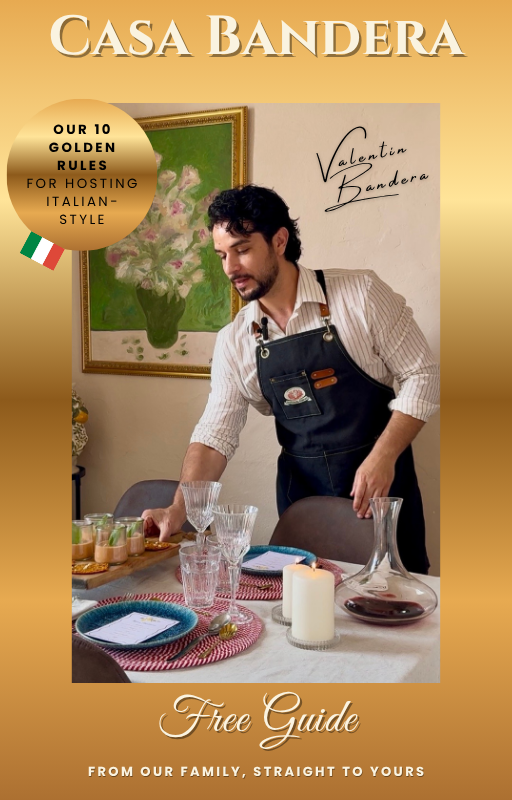

“Three thoughtfully chosen courses can be enough to create a memory that lasts for years. Behind every memorable Italian dinner, there's so much more than what's on the plate: the joy of sharing, the care you show your guests, and the Art of Italian hosting.”
— Casa Bandera, from our Famiglia to yours
Table of Contents
Why an Italian Menu Is Perfect for Hosting
An Italian dinner built around an appetizer, a pasta course, and dessert has one wonderful advantage: it gives the meal a natural sense of progression. Each course has its place, the flavors complement one another, and guests have time to savor the evening. It's not simply about serving three different recipes, but about creating a rhythm that naturally accompanies conversation and the pleasure of being together.
It's a style of hosting I've experienced many times during my stays in Italy, especially in Bologna, where I've shared countless meals with friends and family. Those moments, spent with Mae and our little Rose, have taught me that a memorable meal doesn't necessarily depend on how many dishes you serve. An appetizer to share, pasta prepared at just the right moment, and a thoughtfully chosen dessert can be more than enough. What stays with you is just as much the atmosphere around the table as the food itself.
This approach also captures the spirit of a relaxed dinner with friends: making room for generosity, simplicity, and the pleasure of getting together. By planning your menu ahead of time, you can organize the preparation, avoid overly heavy combinations, and, most importantly, save time for your guests. Hosting does require a little planning, but it certainly shouldn't turn your evening into a culinary marathon.
That's an important distinction: an Italian dinner can be wonderfully generous without being complicated. It all comes down to thoughtful choices, quality ingredients, and a well-balanced menu. It's an approach you can easily bring into your own home, whatever the occasion.
The Simple Structure of an Italian Dinner
To put together a well-balanced menu, start with a simple three-course structure: an appetizer to whet everyone's appetite, a pasta dish at the heart of the meal, and finally, dessert for a delicious finish. This format is easy to adapt to your preferences and the number of guests you're welcoming. It also makes portion planning much easier, which is essential when you want to serve a generous meal without having everyone arrive at dessert already feeling full.
I often think back to meals shared with friends in Bologna, especially during warm summer evenings. Mae would be chatting in the kitchen while Rose wandered between the dining table and the living room. Everything unfolded at its own pace, without anyone rushing. Nonna often reminded us how important it was to start with something light, so everyone could fully enjoy what came next. A simple piece of advice, but one that perfectly captures the importance of balance when putting together a menu.
And that's one of the most common mistakes people make when hosting: trying to serve too much. An appetizer that's already quite filling, an especially rich pasta dish, several side dishes, and an elaborate dessert can quickly make the meal feel too heavy. It's much better to choose a few dishes that complement one another, playing with different textures and flavors rather than piling on course after course.
It's also worth remembering that Italian food traditions vary from one region and family to another. A traditional meal may include several antipasti, a primo, a secondo, and different side dishes, particularly for special occasions. For a dinner party at home, however, a shorter menu built around an appetizer, a pasta course, and dessert makes an excellent starting point. It leaves plenty of room for conversation and allows you to enjoy the evening, too.
An Easy Italian Dinner Menu for Busy Hosts
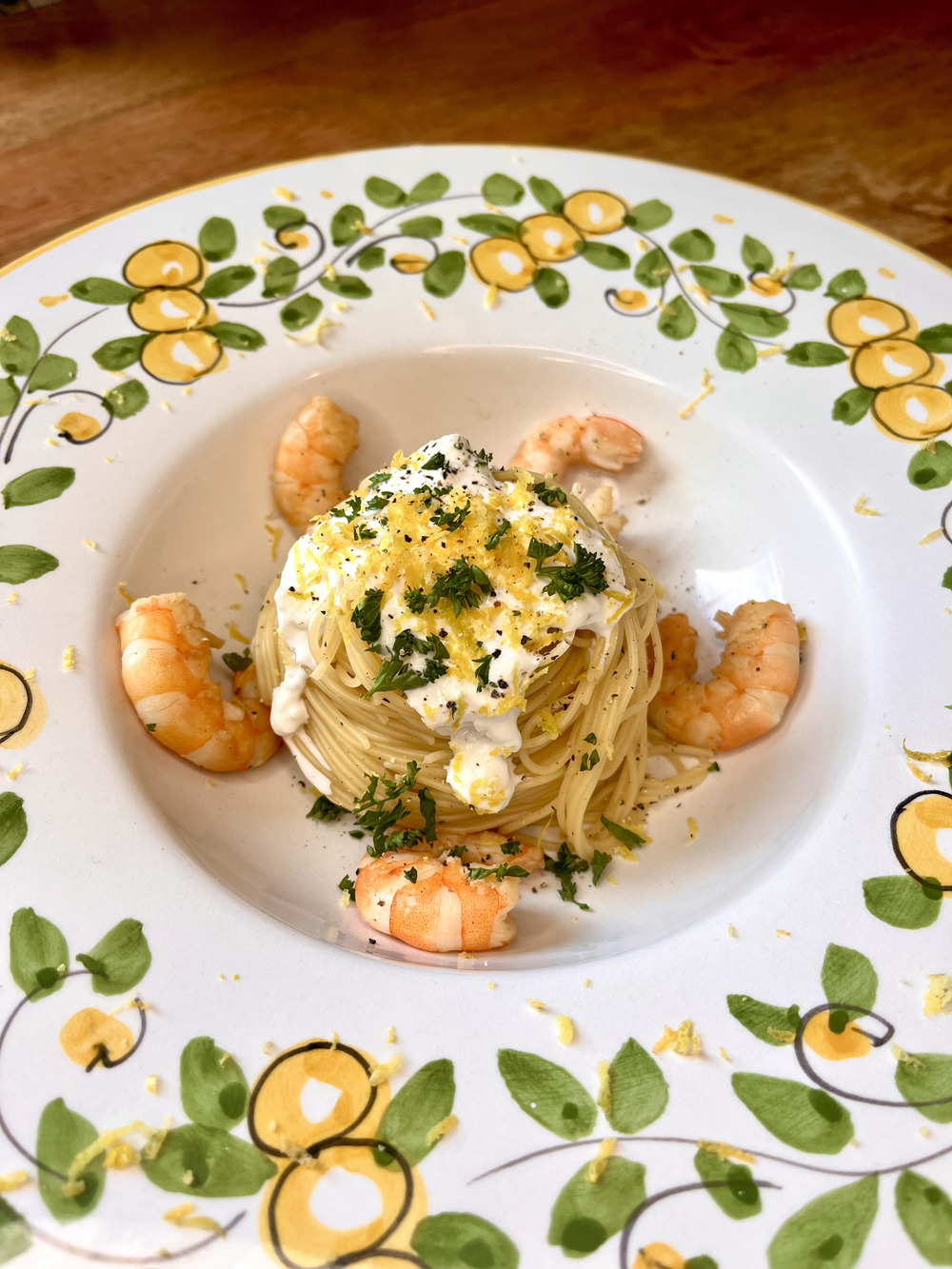
Short on time to prepare dinner, but still want to serve a menu with plenty of character? There's no need to spend hours in the kitchen. The secret is to plan your dishes strategically: an appetizer that requires no cooking, a pasta course prepared just before serving, and a dessert that comes together in minutes. The result is a complete, delicious meal that's elegant enough for entertaining.
Appetizer: an Italian antipasti board to share. This is probably one of the easiest ways to get the evening started. Arrange a selection of Italian cured meats on a large wooden board, such as Prosciutto di Parma, mortadella, or speck, then add a few cheeses: mozzarella di bufala, pecorino, Parmigiano Reggiano, or scamorza. Complete the spread with vegetables preserved in olive oil, artichokes, grilled eggplant, bell peppers, and a handful of Taggiasca olives.
Keep your selection thoughtfully curated rather than piling on too many ingredients. Take the cheeses out of the refrigerator a little before dinner, add a few slices of bread, and arrange everything generously. The board then becomes the first gathering point of the evening: everyone helps themselves, conversations get started, and you have almost nothing left to prepare at the last minute.
Main course: lemon shrimp pasta with stracciatella. After an appetizer full of Mediterranean flavors, it's time for something fresher and more delicate. Lemon brings a lovely brightness, shrimp add a hint of the sea, and stracciatella creates an irresistibly creamy texture. It's a wonderful combination, as long as you keep the ingredients in balance and don't let the cheese overpower the freshness of the lemon.
It's also an ideal dish when you're hosting after a busy day: the preparation is straightforward, and the pasta cooks while you finish the sauce. I remember making it one evening after getting home late. Mae pointed out that it tasted like a dinner I'd spent hours planning, even though I'd put it together almost at the last minute. That's exactly the kind of recipe I like to keep on hand for effortless entertaining.
Dessert: an affogato. To finish the meal, it's hard to find anything more Italian or easier to prepare than this timeless classic. Place a scoop of vanilla gelato in a small cup or glass, then pour a freshly brewed hot espresso over the top, made with an espresso machine or a moka pot. The contrast between the cold gelato and the steaming coffee is all you need for a delicious dessert, without having to reach for a single baking utensil.
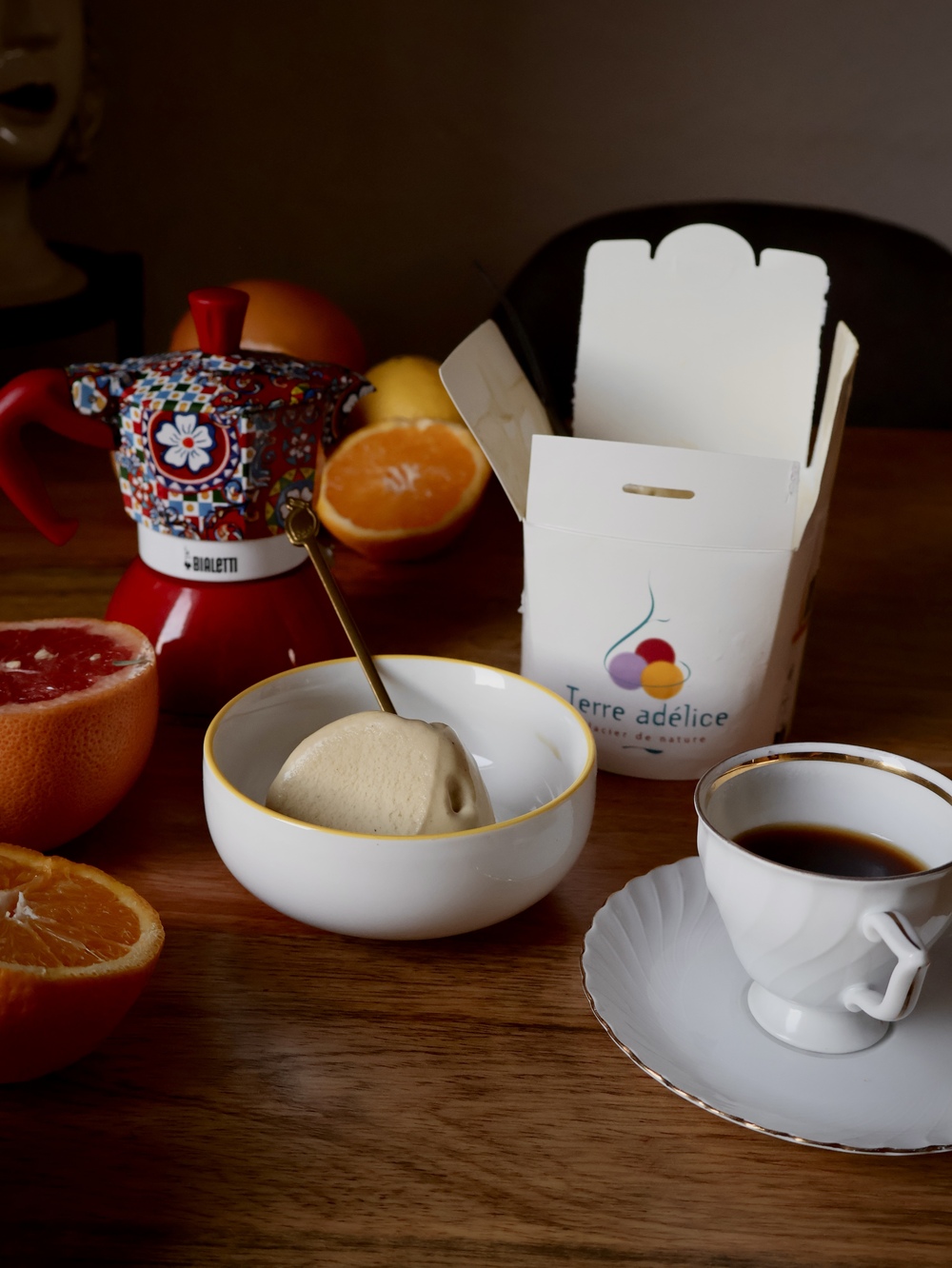
For an extra touch, you can offer a small splash of Amaretto or a few pieces of toasted hazelnut. These variations add another layer of flavor to the traditional recipe and let everyone customize their dessert. Just remember to prepare the cups ahead of time and pour the coffee over the gelato at the very last moment, right before serving.
This menu works so well because each course complements the next: a generous appetizer to share, a fresh and fragrant pasta dish, and finally, a short but intensely satisfying dessert. The preparations are straightforward, the flavors work beautifully together, and you won't have to spend the evening in the kitchen. That leaves you free to focus on what really matters: your guests and the pleasure of sharing a meal around the table.
A Classic Italian Dinner Menu

For a taste of a traditional Italian family gathering, this second menu brings together generous dishes deeply rooted in the country's culinary heritage. Sicilian caponata opens the meal with its unmistakable Mediterranean flavors, cannelloni deliver all the comfort of a baked pasta dish, and tiramisù brings everything to a sweet and satisfying close. It's an ideal choice for a Sunday lunch or dinner with friends when you want to take your time and enjoy the Art of hosting.
Appetizer: Sicilian caponata. Originally from Sicily, caponata is a vegetable dish in which eggplant usually takes center stage. It brings together tomatoes, celery, olives, and capers, along with the distinctive sweet-and-sour touch that gives it so much character. Tender and full of flavor, it's delicious served warm or at room temperature, alongside a few slices of bread.
I particularly love this dish for its convivial spirit. Served in a beautiful platter at the center of the table, it naturally invites everyone to help themselves and share. I remember a lunch in Sicily when the caponata was such a hit that everyone came back for just one more spoonful. That's part of the magic of Italian cooking: generous dishes, sometimes incredibly simple, that feel right at home in the middle of the table.
Main course: meat cannelloni. Here's the centerpiece of this menu: a generous baked pasta dish that immediately brings to mind long family meals around the table. The pasta tubes are filled with a savory meat mixture, covered in sauce, and baked until the top is beautifully golden. Each bite reveals a tender filling, with the flavors of the meat and sauce coming together in a deeply comforting dish.
Cannelloni also have another wonderful advantage when you're hosting: you can assemble the dish ahead of time, refrigerate it, and bake it when it's time for dinner. This means no last-minute preparations and more time spent with your guests while the oven does the work. Add a simple green salad if you like, but there's no need to go overboard with side dishes. After the caponata, the cannelloni are more than satisfying on their own.
Dessert: Amaretto tiramisù. When it comes to ending this meal on the right note, tiramisù is always a wonderful choice. In this version, Amaretto brings delicate almond notes to the classic combination of coffee, mascarpone, and cocoa. It gives the dessert an extra layer of character while preserving everything that makes the original so beloved: an airy texture, coffee-soaked ladyfingers, and a beautiful balance of sweetness and bitterness.
Back in Bologna, Nonna always liked to remind us that there was always room for a good tiramisù, even after a generous meal. A lovely way of capturing just how much Italians cherish this iconic dessert! Make it a few hours ahead and let it rest in the refrigerator. This gives the flavors time to develop, leaving you with nothing more to do than dust it with cocoa just before serving.
This classic menu works because its three courses complement one another beautifully. The caponata brings freshness and a touch of acidity, the cannelloni deliver a generous and comforting main course, and the tiramisù extends the pleasure of the meal with a deliciously sweet finish. It does require a little planning, but much of the preparation can be done ahead of time. That way, you can fully enjoy your guests and let the evening unfold naturally, without constantly checking the clock.
Free Guide: 10 Golden Rules for Hosting Italian-Style
An Elegant Italian Menu

Whether you're celebrating a special occasion, hosting a birthday dinner, or simply looking to bring a little more refinement to your table, this third menu is all about textures, contrasts, and making the most of a few exceptional Italian ingredients. There's no need to prepare an endless number of dishes or choose unnecessarily complicated recipes. A visually striking appetizer, a pasta dish with plenty of character, and a refreshing dessert are all it takes to create an elegant dinner while preserving the generous spirit of Italian cooking.
Appetizer: crispy fried burrata with roasted cherry tomatoes. This appetizer is all about the contrast of textures. Delicately breaded and golden brown, the burrata has a crisp outer coating that gives way to an exceptionally creamy center. Alongside it, oven-roasted cherry tomatoes become tender and intensely flavorful. Their subtle sweetness beautifully balances the richness of the cheese.
I remember hosting a dinner at home with friends when this appetizer came as a lovely surprise from the very first bite. It made quite an impression on the plate, yet required no lengthy preparation. It's a perfect example of what I love about the Art of Italian hospitality: creating a thoughtful presentation and bringing together simple ingredients to offer your guests something a little out of the ordinary.
Discover The Recipe in Our E-Book
Main course: pasta all'amatriciana. For the next course, we're heading to Lazio to discover one of the great classics of Roman cuisine. Amatriciana brings together a handful of iconic ingredients: tomatoes, guanciale, Pecorino Romano, and a touch of chili pepper. The sauce is rich, gently spicy, and full of character, bringing plenty of depth to every plate of pasta.
As is often the case with Italian cooking, the apparent simplicity of this recipe leaves little room for error. The guanciale should be cooked until golden and flavorful, the sauce needs to maintain a beautiful balance, and the Pecorino should be incorporated carefully to create a smooth, harmonious texture. The choice of pasta and how it's cooked also play an important role. It's a wonderful reminder that a great dish doesn't necessarily require a long list of ingredients, but rather quality products and attention to every step.
Served on beautiful plates with a little freshly grated Pecorino, amatriciana brings a distinctive touch to this menu. Its bold flavors contrast beautifully with the delicate richness of the burrata, setting the stage for a fresher dessert.
Discover The Recipe in Our E-Book
Dessert: creamy Italian lemon dessert. After a rich appetizer and a main course full of bold flavors, a refreshing finish is especially welcome. This dessert combines mascarpone, lemon, and limoncello to create a silky texture with delicate citrus notes. Fresh mint completes the combination, adding a lovely burst of freshness, particularly during the warmer months.
Mae especially loves serving this dessert in the summer, when dinners stretch out on the terrace and everyone appreciates a lighter finish to the meal. Presented in small glasses or individual dessert cups, it adds an elegant touch to the table. You can also prepare it ahead of time and keep it chilled until serving, giving you more freedom to enjoy the evening with your guests.
Discover The Recipe in Our E-Book
What makes this elegant menu work so well is its balance. The fried burrata plays with the contrast between crisp and creamy textures, the amatriciana brings bold, generous flavors, while the lemon dessert rounds off the meal with a lighter touch. Each dish has its own personality, yet everything comes together beautifully. It's a lovely way to entertain with elegance without feeling the need to impress at all costs.
And if your guests leave already looking forward to another dinner at your home, you'll probably have achieved what matters most: giving them a wonderful evening and a memory worth keeping.
Which Menu Should You Choose for Your Dinner?

Now that you've explored these three menu ideas, it's time to choose the one that best suits your next dinner. The right menu isn't determined solely by the occasion or how much you'd like to impress your guests. You also need to consider how much time you have, your energy level, and, above all, how much enjoyment you want to get out of preparing the meal.
For an impromptu weeknight dinner after a long day, the quick menu will probably be your best choice. An Italian antipasti board, lemon and shrimp pasta, and affogato allow you to serve a complete meal without juggling too many preparations. You can focus on what really matters: a beautiful table, quality ingredients, and enough time to enjoy your guests.
For an evening with friends or a family lunch, the classic menu is closer to the spirit of a generous Italian meal. Caponata, cannelloni, and tiramisù create a warm, inviting combination, with dishes that can largely be prepared ahead of time. It's an especially enjoyable option when you want to slow down and share a proper meal around the table.
Finally, for a birthday, a special invitation, or an occasion when you'd like to pay a little more attention to the details, the elegant menu brings a more refined touch. Fried burrata, amatriciana, and creamy lemon dessert play with contrasting textures and flavors without requiring a restaurant-worthy menu. A few well-executed techniques and thoughtful presentation can make all the difference.
I remember something a friend once said to me in Bologna during a conversation: to make your guests feel welcome, you first need to feel comfortable yourself. I've always thought this was an essential part of hosting. An ambitious menu won't guarantee a successful dinner if you spend the entire evening rushing between the kitchen and dining room. On the other hand, a simple meal prepared with pleasure and served without stress can leave a much more lasting impression.
The best choice, then, is the one you feel confident preparing and that allows you to remain present with your guests. Adapt the recipes to your own pace, plan ahead wherever possible, and leave yourself a little room for the unexpected. After all, you're organizing a dinner to share a moment together, not to sit a cooking exam.
FAQ – Frequently Asked Questions
For an Italian dinner at home, you can plan a shared appetizer, a pasta course, and a traditional dessert such as tiramisù or affogato. This three-course format creates a well-balanced, convivial meal. If the occasion calls for it, you can also add a second course, as is customary at some more elaborate Italian meals.
The easiest approach is to choose an appetizer you can prepare ahead of time, a main course served piping hot, and a dessert that can wait patiently in the refrigerator or be put together at the last minute. An antipasti board, a pasta dish, and affogato, for example, make a delicious and effortless menu.
You can build a menu around ingredients that are easy to bring together: a selection of cured meats, cheeses, and marinated vegetables to start, fresh pasta or a seasonal recipe for the main course, followed by a dessert such as tiramisù or panna cotta. The key is to choose dishes that complement one another without taking on too many demanding preparations.
Start by putting together a well-balanced menu, then organize your preparations around cooking times and storage requirements. Make as much as possible ahead of time, take ingredients out of the refrigerator at the right moment, and remember to serve pasta immediately after cooking. Finally, don't overlook the atmosphere: a welcoming table and a relaxed, attentive host matter just as much as the recipes themselves.
For an informal dinner with friends, choose a menu that's easy to share and leaves you plenty of time with your guests. For a family meal, generous oven-baked dishes are particularly practical. For a special occasion, you can opt for a more elaborate appetizer, a main course with bold flavors, and a fresh, elegant dessert. Don't forget to take your guests' food preferences and dietary restrictions into account.
The Real Secret to an Italian Dinner
Throughout these three menus, you've discovered different ways to put together an Italian dinner, from an impromptu weeknight meal to a more refined gathering. But beyond the recipes and ingredients you choose, there's one element that often makes all the difference: the experience you create for your guests.
I've come to understand this through the many meals I've shared in Italy. I particularly think of those evenings when the table gradually fills up, conversations overlap, and time seems to slow down. Mae is laughing with our friends, Rose is happily picking at what's on the plates, and nobody seems in a hurry to bring the evening to an end. The meals we remember longest aren't necessarily the most elaborate ones, but those in which we simply felt good.
That atmosphere comes from several little details that, taken together, give a dinner its sense of harmony: the dishes you choose, the order in which they're served, the timing, the way you set the table, and the warmth with which you welcome your guests. An appetizer that awakens the appetite, a pasta course that brings everyone together around the table, and a dessert that invites conversation to linger already provide a wonderful foundation. Everything else unfolds naturally as the evening goes on.
That's also what I love about the Art of Italian hospitality. It's not about following rigid rules or reproducing every family's traditions exactly. It's about paying attention to balance, generosity, and the pleasure of sharing. A certain kind of elegance, really, that isn't about impressing anyone but making everyone feel at ease.
So whether you choose a quick, classic, or elegant menu, keep one thought in mind: three thoughtfully chosen courses are far better than a succession of preparations that keeps you from enjoying your guests. Choose quality ingredients, plan the important steps ahead of time, and leave plenty of room for spontaneity. You don't always have to do more to create a memorable evening.
Because when your guests linger a little longer, happily reach for another spoonful of dessert, or are already talking about coming back for dinner, you know something has worked. You haven't simply served them a meal; you've given them a moment of togetherness inspired by Italy. And perhaps, in the end, that's the loveliest memory you can leave around a table.
Also read:
What to Cook When You Have Guests (15 Easy Ideas)
Romantic Italian Dinner at Home: Menu & Ambiance
The Art of Italian Hosting: The Complete Guide to Creating Unforgettable Dinner Parties

Free Guide: 10 Golden Rules for Hosting Italian-Style


Let’s Talk Together!