 EN
EN  IT
IT  FR
FR 
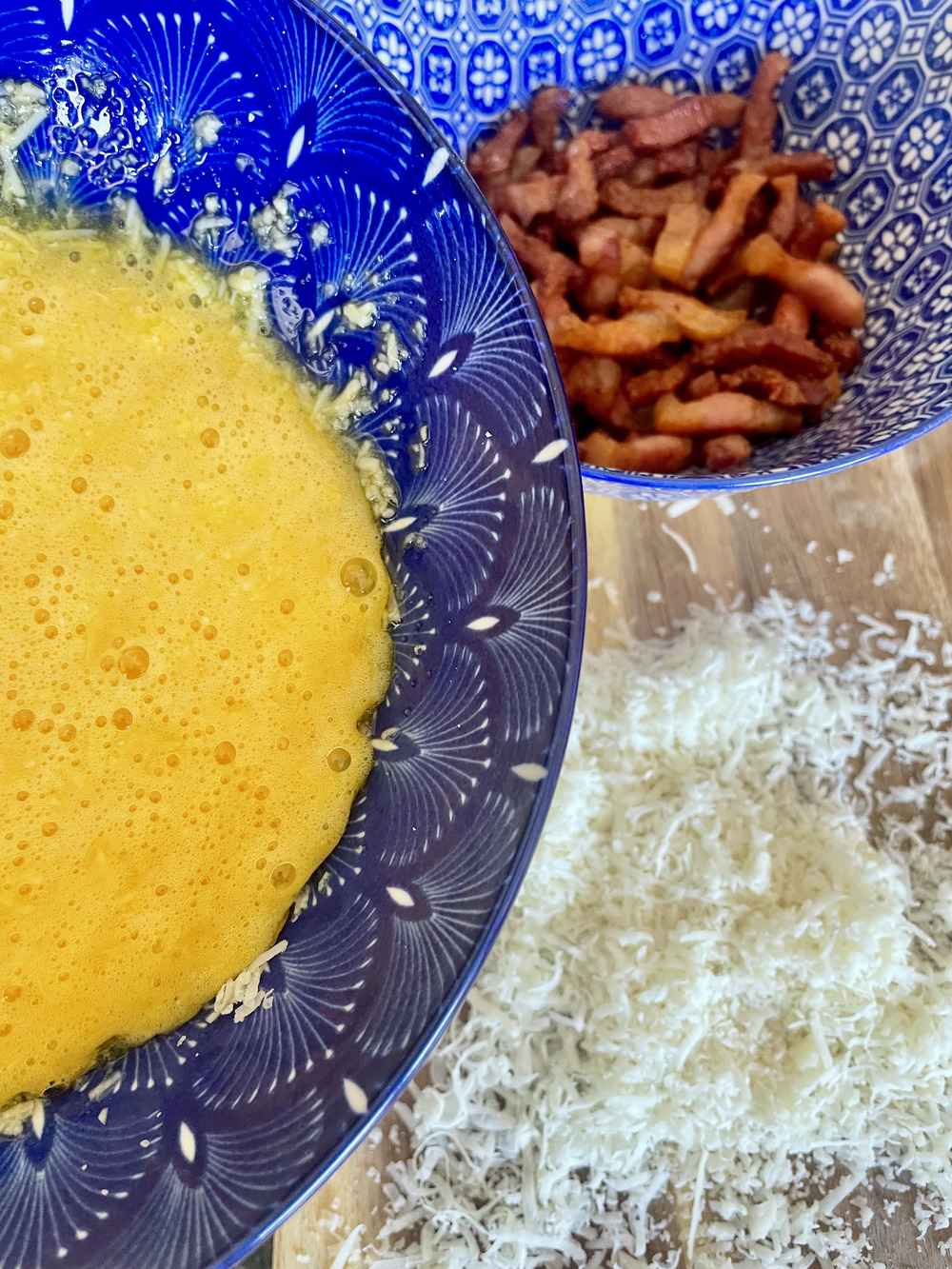
Want to know which cheese makes carbonara truly Italian,
why Pecorino is a must-have,
and how to avoid the mistakes that ruin this iconic dish…
Which cheese should you pick for authenticity?
Pecorino or Parmesan,
which one is really the star of real carbonara?
Today, I’ll show you why choosing the right cheese is crucial,
the key differences between Pecorino and Parmesan,
and how this simple ingredient transforms the experience of an authentic Italian carbonara.
The Secret to Real Roman Carbonara That Wows Your Guests
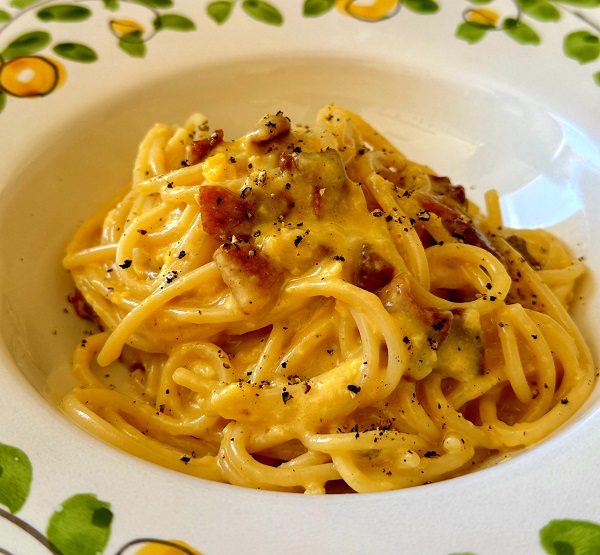
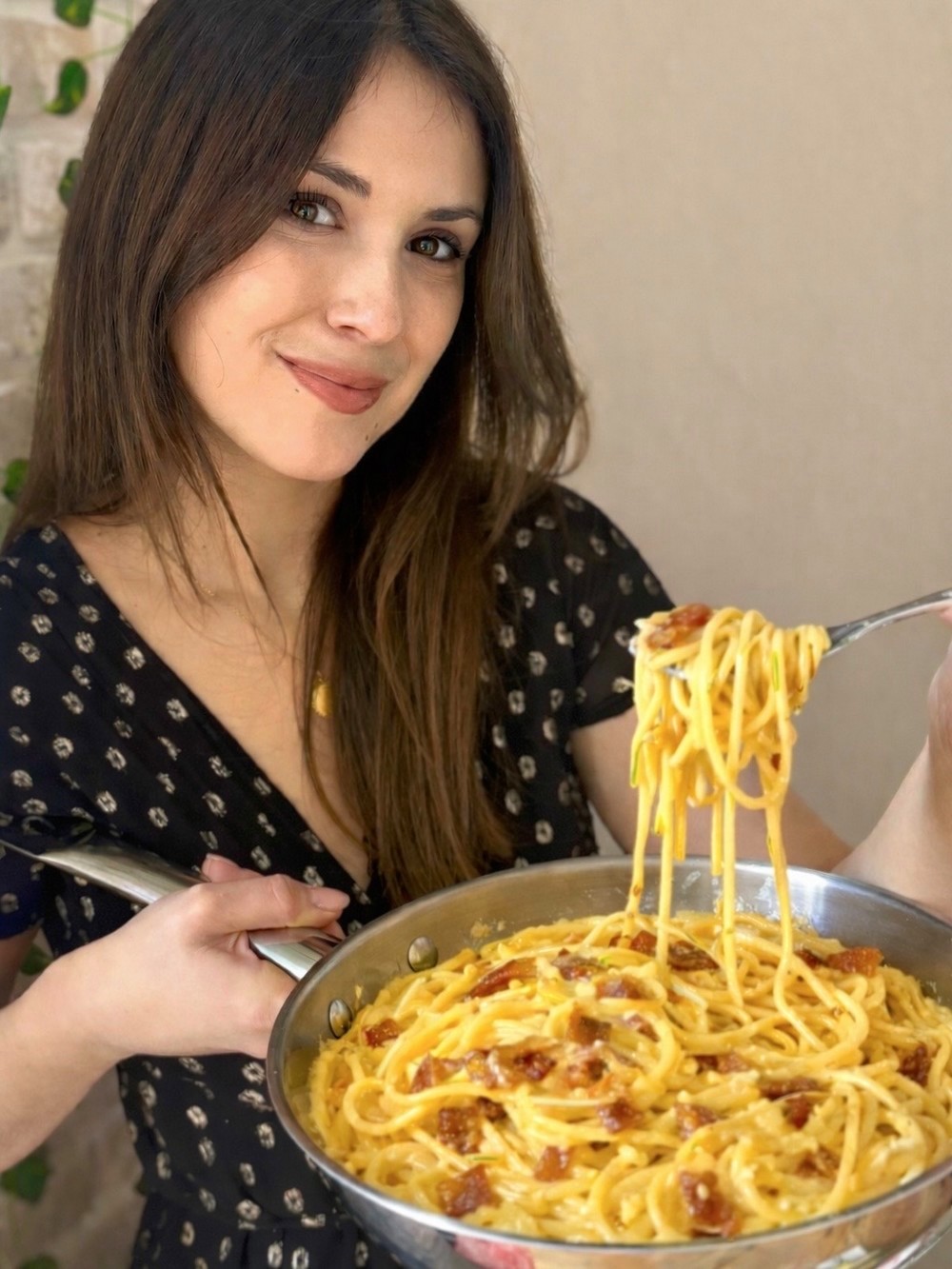
“The first time I tasted carbonara with real Pecorino, I realized this cheese is more than just an ingredient: it brings that perfect saltiness and richness that makes all the difference.
Today, picking the right cheese for carbonara isn’t just about flavor: it’s about honoring a culinary heritage and savoring true Italian authenticity.”
— Casa Bandera, from our Famiglia to yours
Contents
1. Authentic Italian Carbonara: Context and Origins
Picture yourself in a tiny trattoria in the heart of Rome.
The tiles creak under your feet, the smell of guanciale sizzling in the pan tickles your nose.
Around you, Italians talk loudly, laugh even louder…
Welcome to the real world of carbonara.
You know, that dish everyone thinks they know…
But 7 out of 10 Italians would immediately spot it as fake if you served it with cream or Gruyère.
Yes, I counted.
Carbonara isn’t just pasta with cheese.
It’s a story, a tradition, a little piece of Rome on your plate.
Every ingredient matters.
Every move counts.
And the cheese… oh, the cheese!
It’s the centerpiece, the golden thread linking melting guanciale to velvety eggs.
Also read: History & Origin of Carbonara: The True Roman Story
A little history… without the snooze
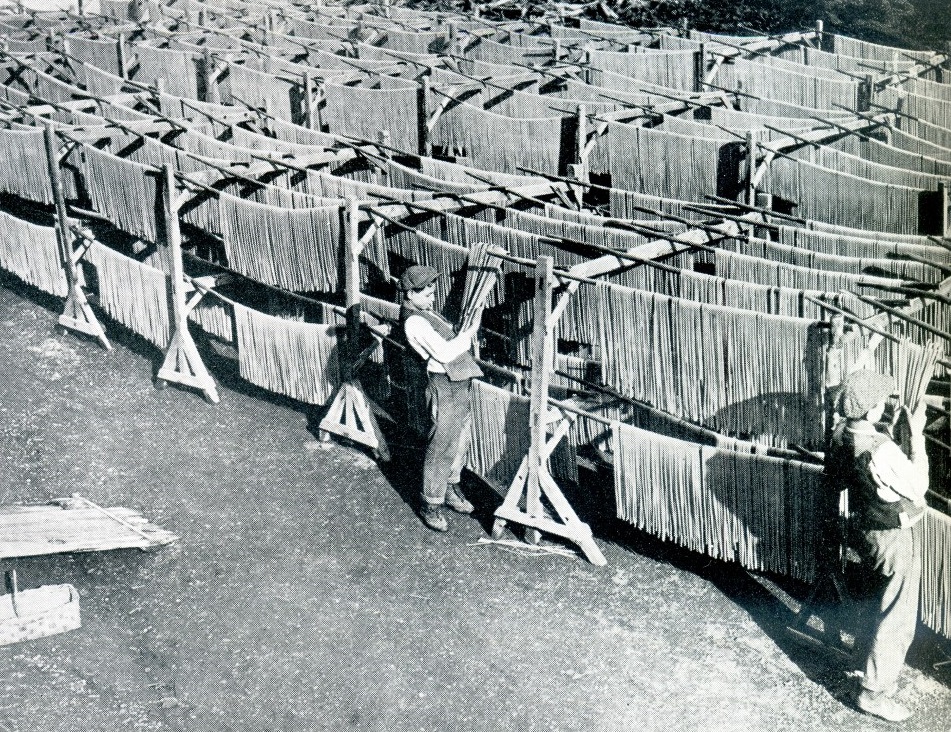
- Carbonara was born in the 1940s, not in the Middle Ages like some think.
- Its roots are simple yet legendary: the charcoal workers (“carbonari”) in the hills around Rome.
- Imagine: no supermarkets, just fresh, local ingredients, and plenty of ingenuity.
- There’s also talk of influence from American soldiers.
- Pecorino, eggs, guanciale, black pepper, and pasta: 5 magical ingredients to create a flavor that spans generations.
And why is cheese so crucial?
Because Pecorino Romano isn’t just cheese.
It’s a burst of flavor, a little salty sunshine on your taste buds.
Use anything else, and you change the language of the dish.
It’s like swapping an Italian Ferrari for… a supermarket go-kart.
You get the idea.
At Casa Bandera, cheese is sacred
I still remember my first carbonara with Nonna.
She grated Pecorino with her shaky but precise hands.
She looked me straight in the eyes and said:
“Remember, bambino, cheese makes the difference between carbonara and a dish that just looks like carbonara. Never forget.”
And I never did.
That simple gesture, that precise choice—that’s authenticity.
Pecorino isn’t sprinkled randomly.
It structures the flavor, making the guanciale and eggs dance together.
So next time you wonder, “which cheese for real Italian carbonara?”, remember: it’s not a detail.
It’s the soul of the dish.
2. Cheese in Carbonara: Pecorino or Parmesan?
So, you’re probably wondering: Pecorino or Parmesan?
Don’t worry.
We’ve all faced that dilemma.
And trust me, the answer can completely transform your carbonara experience.
At Casa Bandera, we often say: cheese is the heart of the dish.
It’s not just there to look pretty or fill your plate.
It brings salt, depth, that little punch that makes you go “mmm” with every bite.
Pecorino Romano: The Undisputed King
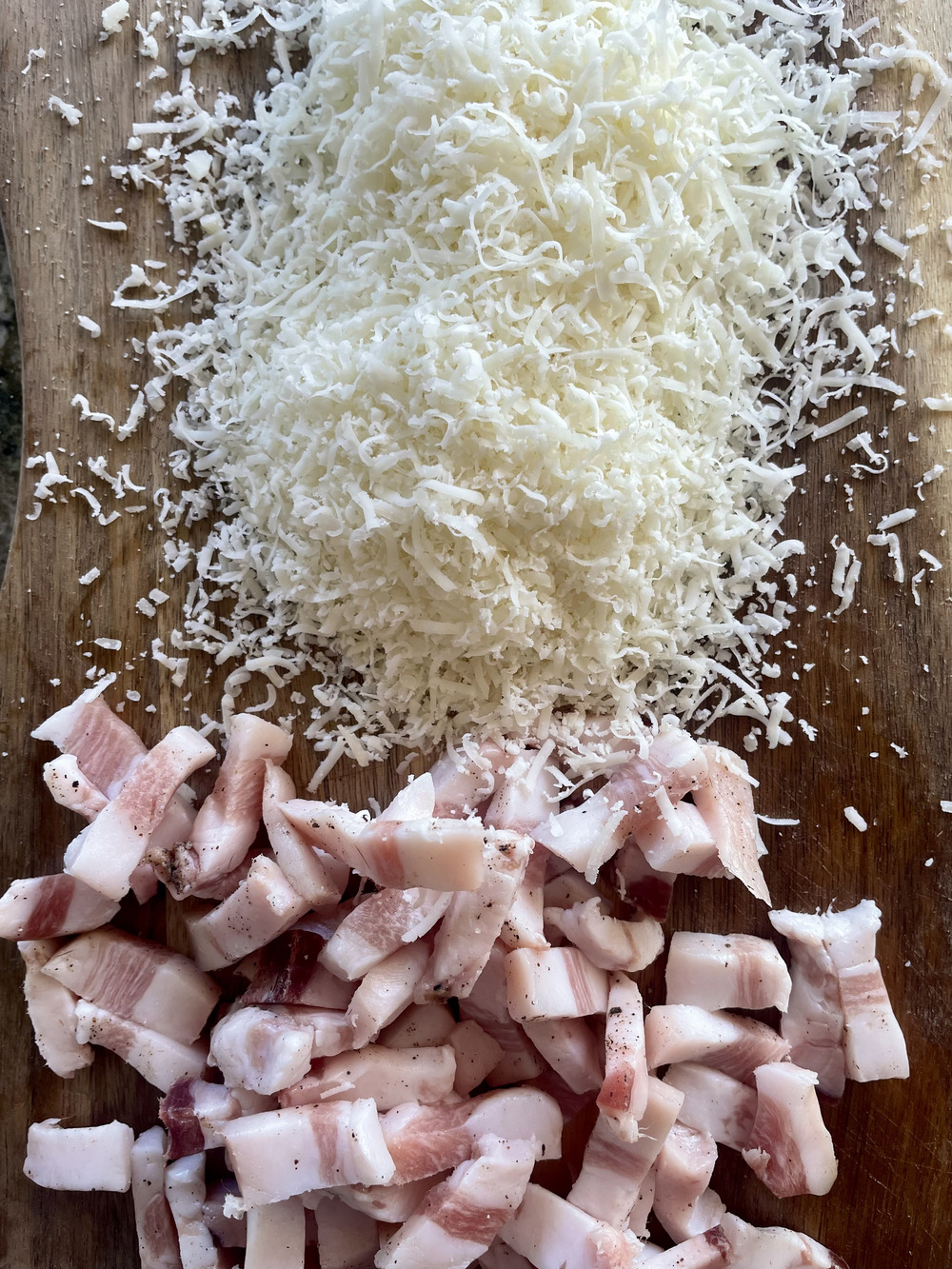
Pecorino Romano is the cheese that real Romans have been using in their carbonara for generations.
Salty, bold, aromatic, it has the character to stand up to the melt-in-your-mouth guanciale and eggs.
Imagine a perfect balance of sea and sun.
With just the right kick to wake up your taste buds.
At Casa Bandera, Nonna always said:
“Pecorino, bambino, it’s not just a taste. It’s the soul of carbonara. Forget it, and you forget the dish.”
Parmesan: The Gentle Alternative
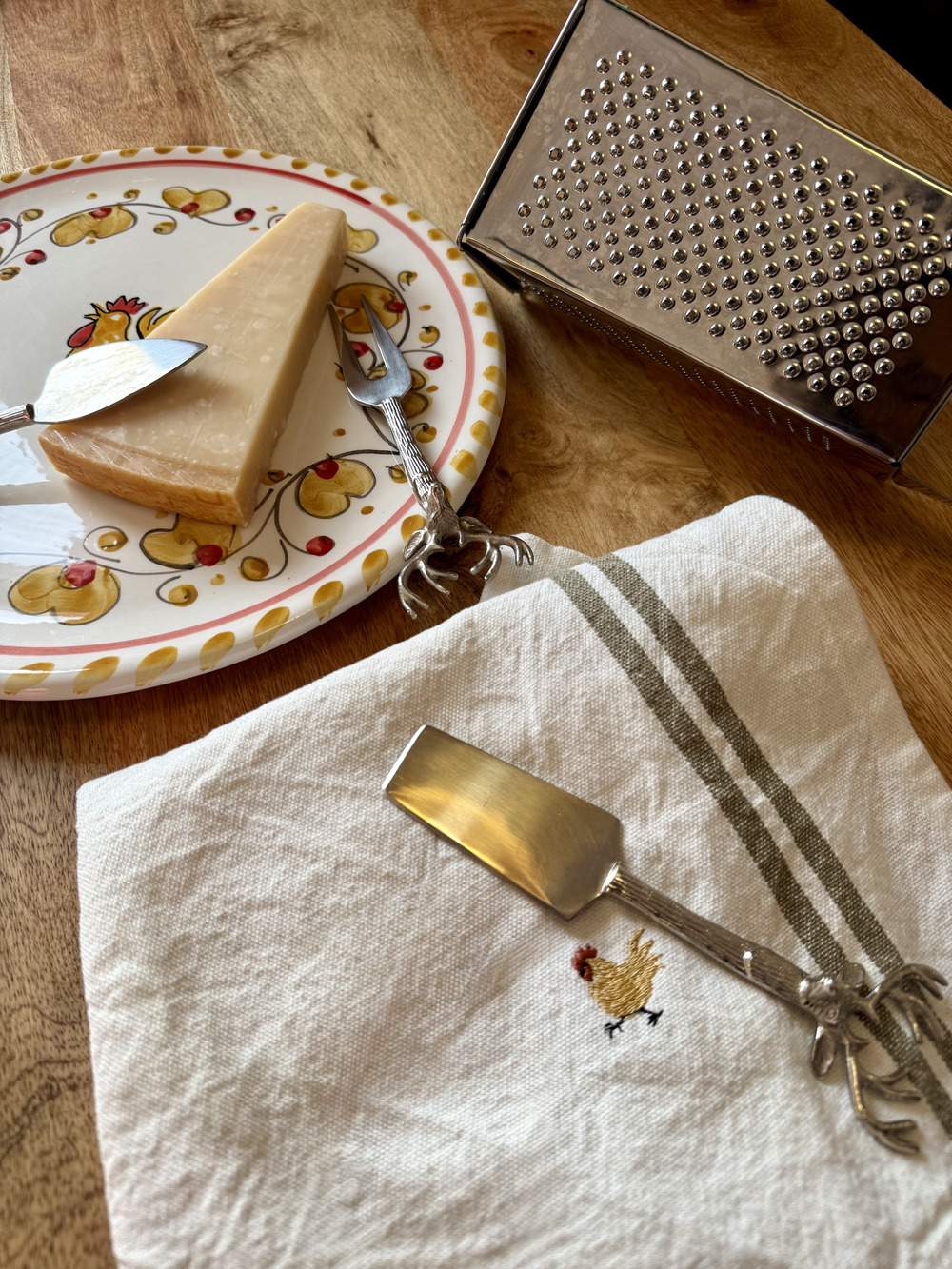
Parmesan, or Parmigiano Reggiano, is milder, rounder on the palate.
It’s perfect if you want a subtle carbonara, less salty.
But beware: it changes the language of the dish.
It’s like listening to an opera on solo piano… beautiful, but missing the dramatic sweep of the full orchestra.
Comparison Table: Pecorino vs Parmesan
| Characteristic | Pecorino Romano | Parmigiano Reggiano |
|---|---|---|
| Taste | Bold, salty, slightly sharp | Mild, round, less salty |
| Texture | Grainy, melts well in eggs | Firmer, melts gently |
| Origin | Lazio, Rome and surrounding regions | Emilia-Romagna, northern Italy |
| Average Price | Around €25/kg | Around €30/kg |
| Use | Traditional carbonara, bold savory dishes | Sauces, risottos, mild alternative for carbonara |
So, which one to choose?
If you want Roman authenticity, pecorino is your #1 ally.
If you prefer a milder taste, Parmesan works as an alternative, but beware: it changes the character of the dish.
At Casa Bandera, we’ve always said: “Cheese isn’t chosen randomly.
It tells a story.”
So, when you grate your pecorino or Parmesan, do it with love.
Every little grain counts in creating that Italian magic you’re after.
The Secret to Real Roman Carbonara That Wows Your Guests
3. How to Choose Your Cheese for Real Carbonara
There you are in the cheese aisle, eyes wide, a piece of pecorino on one side, Parmesan on the other…
How do you know which one belongs in your carbonara?
At Casa Bandera, we have a simple rule: if you want authenticity, go for Pecorino Romano.
It has that salty, bold taste that perfectly interacts with guanciale and eggs.
Parmesan is softer, rounder, great if you want a lighter dish, but beware… it changes the character of the dish.
3 Criteria to Make the Right Choice
Taste: Bold and salty for pecorino, mild and subtle for Parmesan.
Texture: Grainy and melting for pecorino, firmer for Parmesan.
Authenticity: Pecorino has been Rome’s historic choice since the 1940s.
But imagine this: you only have Parmesan on hand.
Don’t panic.
You can use it, but adjust the amount or mix in a little extra salt to capture some of the pecorino magic.
Casa Bandera Tips for Perfect Cheese
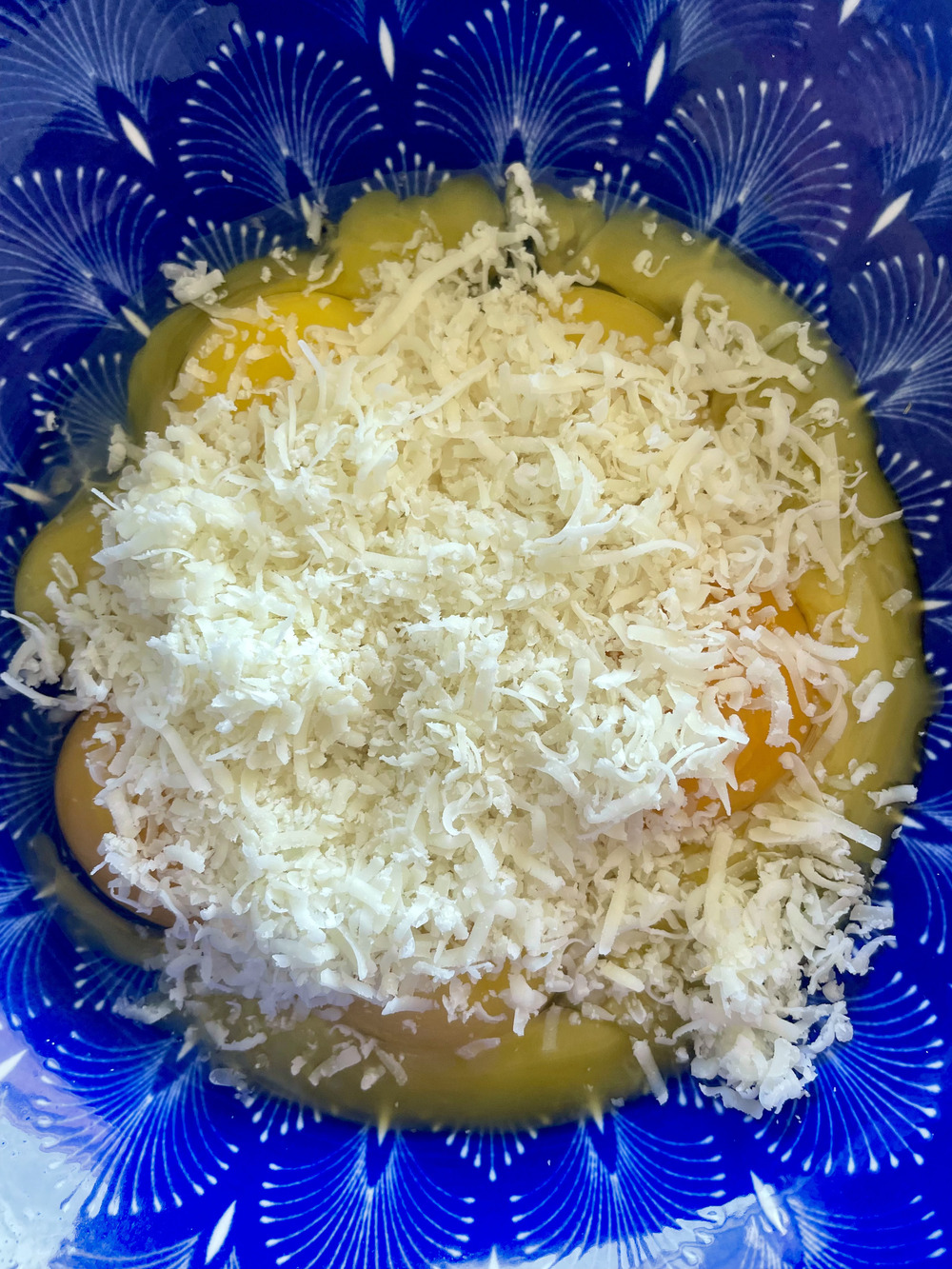
- Grate your cheese right before adding it. The flavors stay alive and powerful.
- Don’t heat the cheese directly in the pan, or it might clump.
- Want to impress your guests? Add the cheese in two steps: some in the eggs, the rest sprinkled at the end for the finishing touch.
- Taste as you go. Carbonara is all about balance: the cheese doesn’t dominate, it elevates.
You see, choosing the right cheese isn’t just about taste—it’s respecting tradition and preserving the authenticity of real Italian carbonara.
Every move, every grating counts.
So next time you hold a piece of pecorino or parmesan, remember: it’s not just an ingredient.
It’s the heart of your dish, the soul of Rome on your plate.
4. Common Cheese Mistakes
So, you want to make a Roman-worthy carbonara… but beware!
Even top chefs can mess up the cheese and ruin the dish’s authenticity.
At Casa Bandera, we’ve seen versions with cream, Gruyère, or even pre-shredded industrial cheese.
And believe me, it has nothing to do with real Italian carbonara.
Traps to Avoid
- Adding cream: Never in Italy. Carbonara is creamy thanks to eggs and cheese, not liquid cream.
- Using Gruyère or mozzarella: Mild and friendly… but it kills the dish’s personality.
- Skipping pecorino: Many think parmesan is enough. It’s good, yes, but you lose the soul of carbonara.
- Grating too early: Cheese sitting too long loses its aroma, saltiness, and punch.
- Not tasting: Carbonara builds step by step. Taste, adjust, and you’ll find the perfect harmony of guanciale, eggs, and cheese.
Why These Mistakes Matter
Every misstep changes the language of the dish.
It’s like listening to a Verdi opera through phone earbuds… you hear the melody, but you miss the magic.
Cheese isn’t just an ingredient.
It tells the story, shapes the carbonara, and gives the depth you crave.
So, if you want to taste carbonara like in Rome, remember:
- Pecorino is your ally.
- Avoid industrial shortcuts.
- Respect freshness and proportions.
And you’ll have a dish that sings, dances, and takes your taste buds straight to Lazio.
At Casa Bandera, we always say: “Cheese is the soul. Never betray the soul.”
5. Cheese’s Role in Carbonara Balance
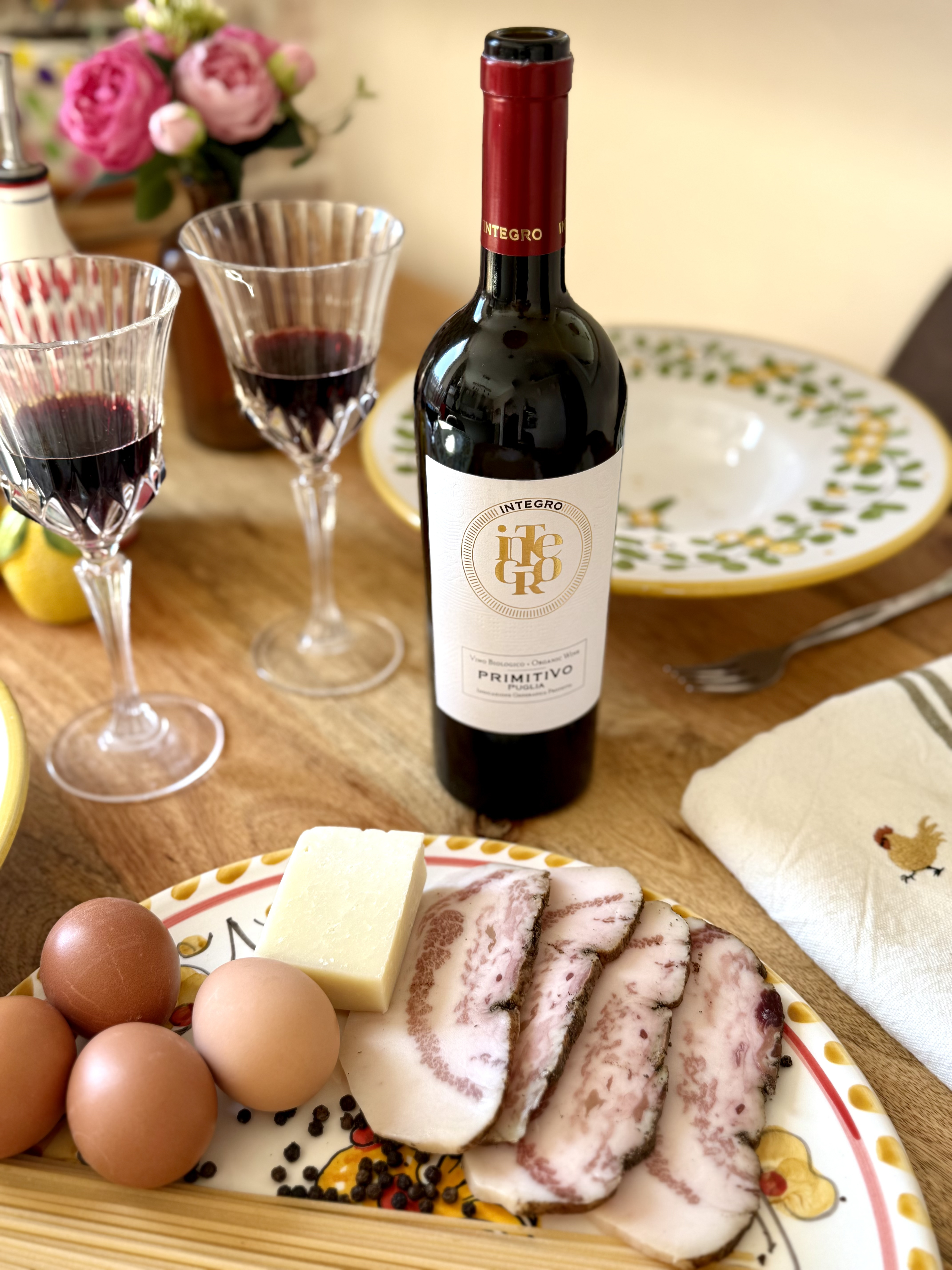
If you thought cheese was just a side note… you’re missing the magic of real Italian carbonara.
At Casa Bandera, we always say: cheese is the soul of the dish.
It doesn’t just add flavor—it binds the melting guanciale to the eggs, creates that silky texture, and delivers a little “wow” in every bite.
Perfect Balance
- Salty but subtle: Pecorino adds just the right amount of salt to awaken the other ingredients.
- Creamy texture: Grated at the right moment, it melts into the eggs to form a silky sauce—no cream needed.
- Bold flavor: It dialogues with guanciale without overpowering it, creating a unique harmony.
Imagine: every grain of pecorino is like a note in a symphony.
Too little, the dish feels flat.
Too much, it dominates everything.
The secret is balance.
And that’s exactly what Italians have sought for generations.
Why Every Move Matters
Grate it at the last moment, fold it gently into the eggs, adjust to taste…
Every step transforms your dish.
It’s like painting a masterpiece: cheese isn’t just a color, it’s the stroke that brings it to life.
So next time you wonder why carbonara tastes so special, remember:
without the cheese, there’s no magic, no authenticity, no Rome on your plate.
At Casa Bandera, we’ve always known: the right cheese, at the right moment, turns a simple dish into an unforgettable experience.
Conclusion: Cheese, the Soul of Real Carbonara
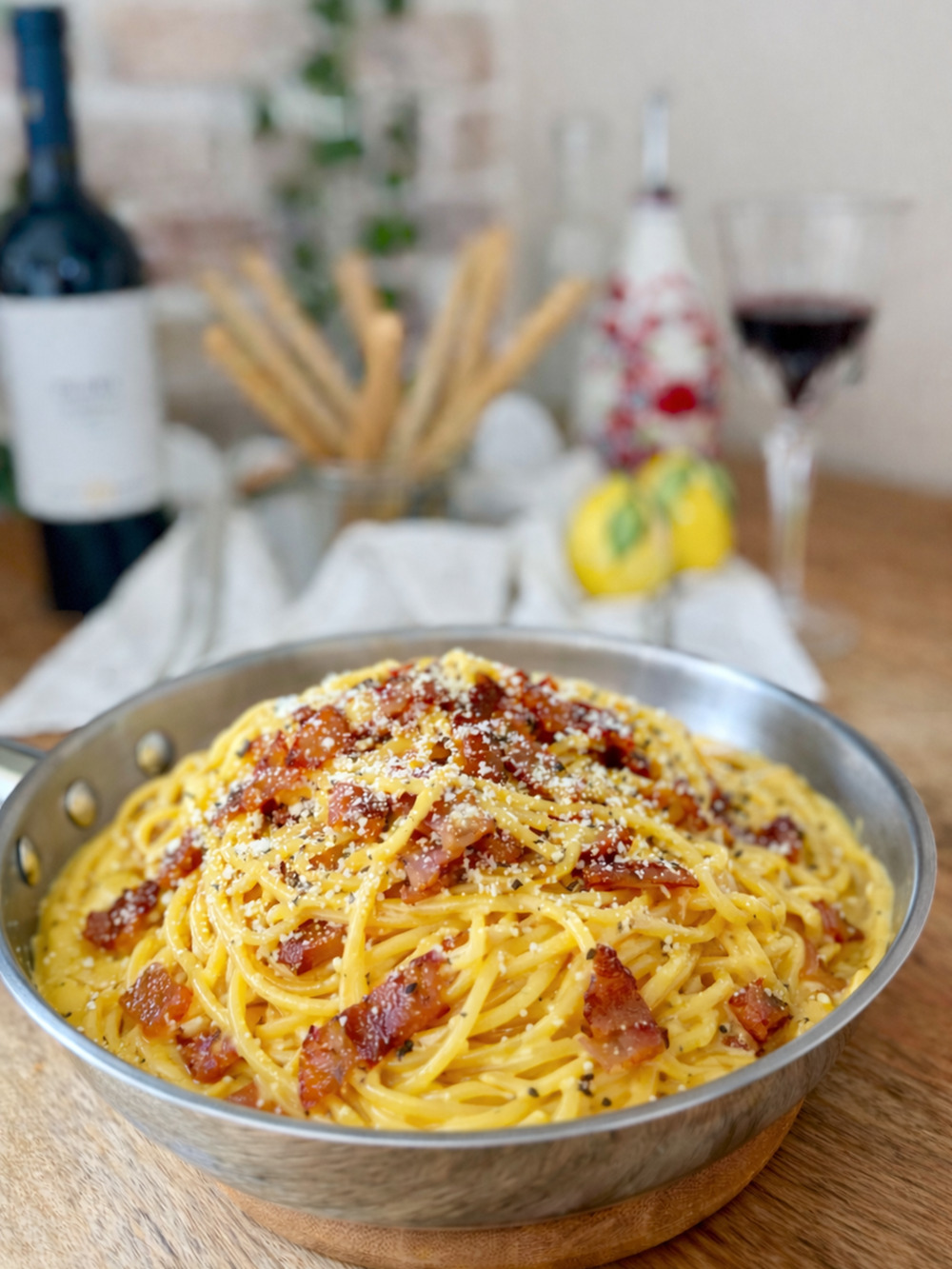
Now you know why choosing the right cheese is crucial for real Italian carbonara.
Pecorino or parmesan?
For authenticity, pecorino is your go-to.
Parmesan is a milder alternative, but it changes the character of the dish.
Cheese isn’t just about flavor.
It structures the sauce, balances the guanciale and eggs, and brings that magic that makes every bite go “mmmh.”
At Casa Bandera, we always say: “Cheese is the soul. Respect it, and you’ll taste Rome on your plate.”
Every grating, every grain, every move matters.
So next time you make carbonara (or enjoy it at a friend’s), remember:
the secret to authenticity is that small piece of Italian cheese.
Without it, it’s no longer carbonara… it’s just pasta.
Which will you choose: bold pecorino or mild parmesan?
Share your thoughts in the comments and take your taste buds straight to Rome!
Also read:
Spaghetti Carbonara: 10 Mistakes to Avoid!
The Ultimate Guide to Carbonara Pasta: Everything You Need to Know

The Secret to Real Carbonara That Wows Your Guests



Let’s talk cucina together!