 EN
 FR

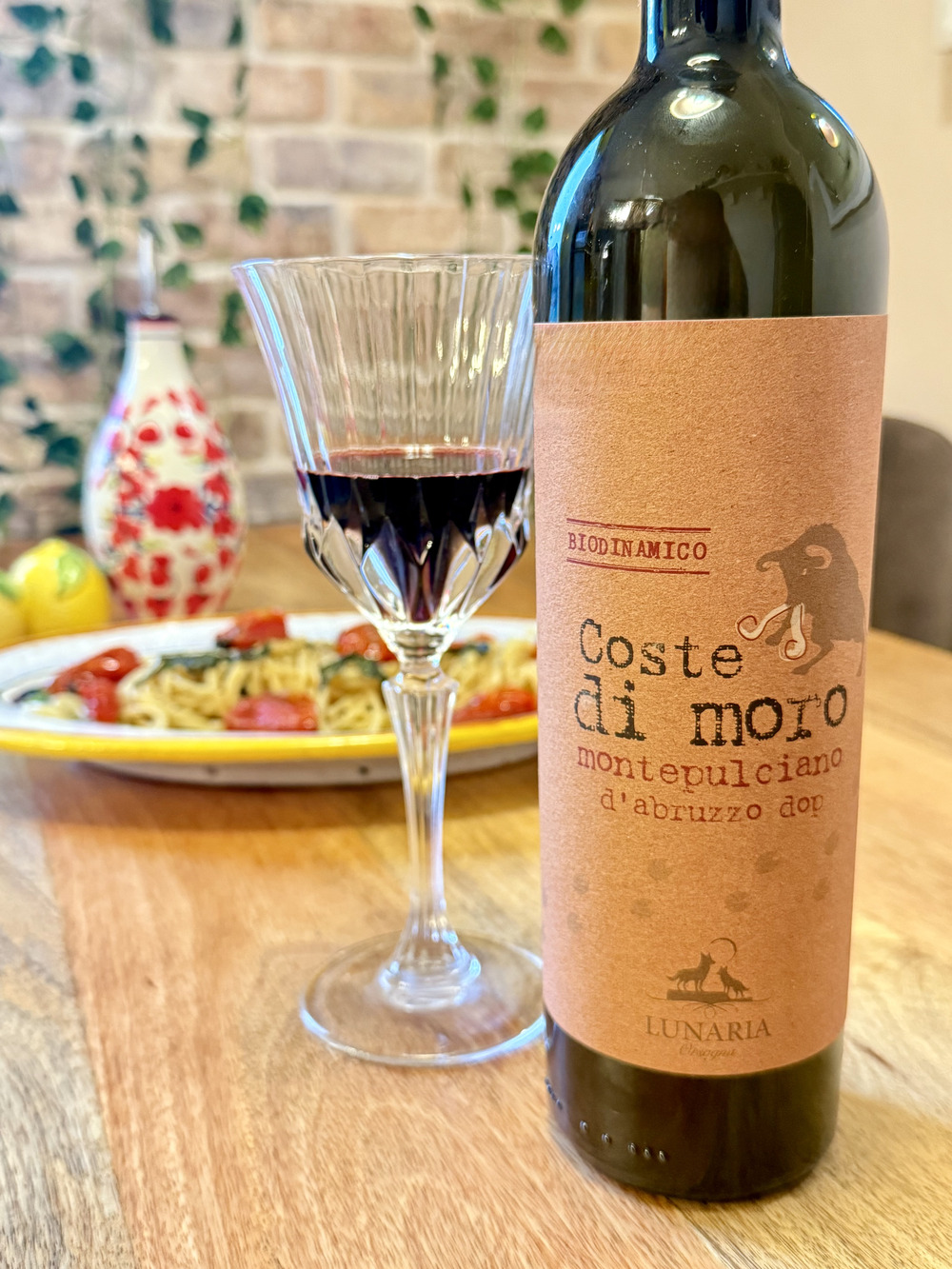
An Italian dinner is taking shape, your guests will be arriving soon, and there's just one more decision to make: which wine should you serve? Between reds, whites, lighter bottles, and wines with a little more character, choosing the right one can quickly become less straightforward than it seems. Yet finding a wine that pairs beautifully with your menu doesn't require an encyclopedic knowledge of Italy's wine regions.
The secret is simply to understand a few basic principles, then choose a wine that complements the food without stealing the spotlight. A good pairing isn't about impressing at all costs. It's about creating balance, bringing out the flavors, and contributing to the harmony of the meal. That's exactly what we'll explore here, with a selection of Italian wines and practical tips to help you put together a well-balanced dinner, from antipasti to dessert.
Picture a thoughtfully chosen bottle, opened just as everyone takes their seats at the table. The wine accompanies the first bites, brings out the flavors of the main course, and naturally becomes part of the conversation. Nobody needs to discuss its color or aromas. Everyone simply enjoys the moment. That's often the sign of a pairing done right.
In this article, you'll discover the essential principles of food and wine pairing, some of Italy's most renowned wine appellations, and combinations that work particularly well with iconic Italian dishes. Straightforward advice, without the wine jargon, to help you choose with confidence and entertain with the relaxed elegance that makes Italian dining so special.
Free Guide: 10 Golden Rules for Hosting Italian-Style
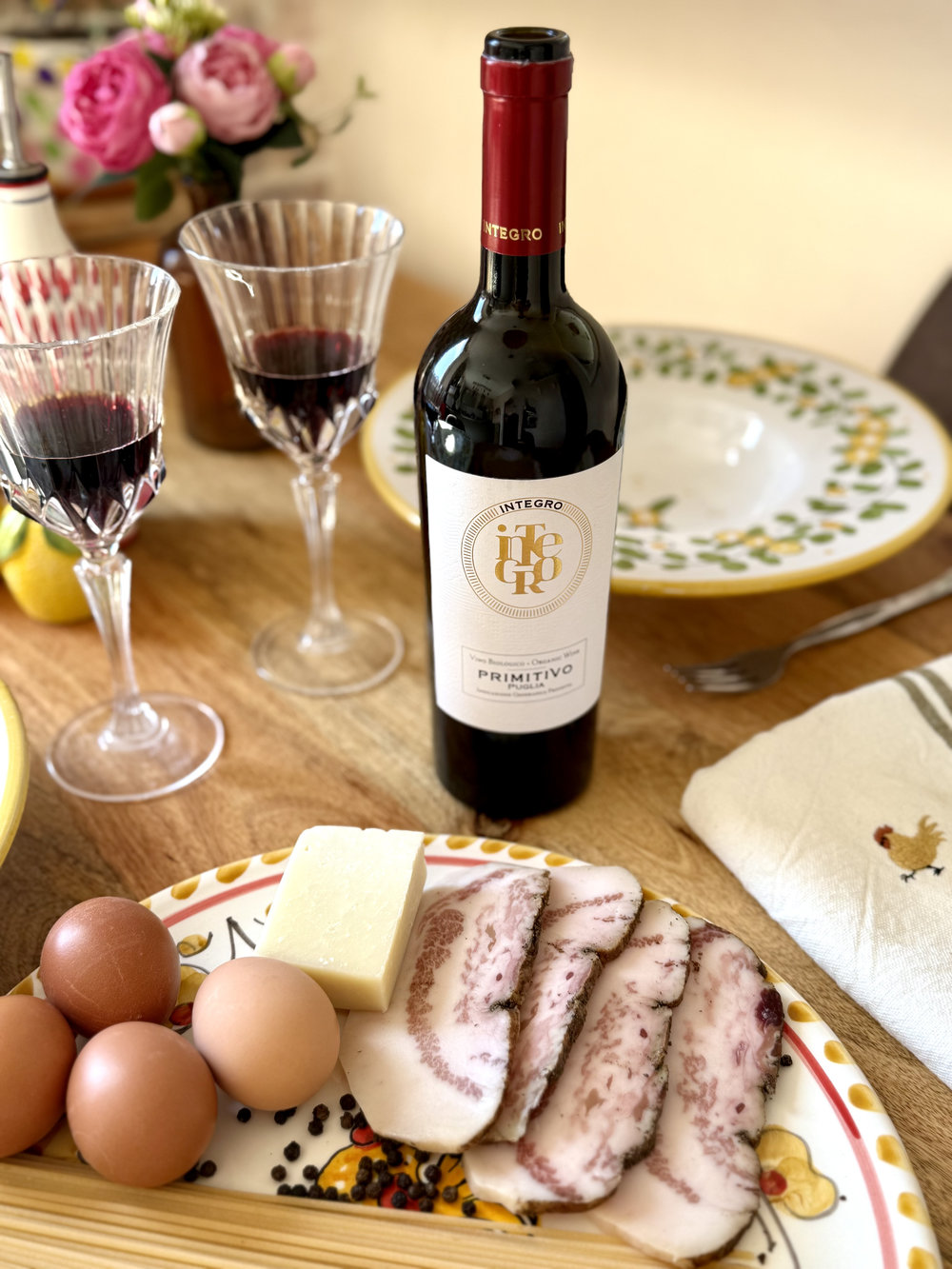
"In Bologna, I came to understand something simple: wine isn't there to impress, but to complement the moment. When a pairing is thoughtfully chosen, it brings out the best in a dish and makes the entire meal feel more harmonious, without ever taking attention away from what truly matters: the pleasure of being together."
— Casa Bandera, from our Famiglia to yours
Table of Contents
Why Italian Wine Pairings Make All The Difference
A successful Italian dinner isn't built on the quality of the recipes alone. Of course, beautifully cooked pasta, a carefully prepared sauce, or perfectly creamy burrata already have plenty to offer. But when the wine naturally complements the flavors of the meal, the entire experience takes on a new dimension. It's no longer simply about serving a bottle alongside a dish. It's about creating harmony between every element of the dinner.
In Italian food culture, wine often has a familiar place at the table. The choice depends on the meal, the season, everyone's preferences, and sometimes even the occasion itself. A smooth red to accompany a generous pasta dish, a crisp white with antipasti, or a more structured wine alongside slow-cooked meat: these pairings help set the tone for the meal without imposing rigid rules.
That's also the spirit we want to share at Casa Bandera: learning how to make thoughtful choices without turning dinner preparations into a technical exercise. A few simple guidelines are enough to avoid unbalanced combinations and find a bottle that brings out the best in your menu. Here, elegance has less to do with the sophistication of the wine than with choosing the right pairing.
1. Three Simple Rules for Getting It Right Every Time
Choosing an Italian wine when entertaining shouldn't become another source of stress. Yet with so many appellations and wine styles to choose from, it's easy to find yourself second-guessing your decision at the last minute. The simplest approach is to come back to three principles: match the intensity of the wine to the dish, look for harmony between flavors, and never overlook acidity.
These guidelines won't replace the pleasure of discovering new bottles, but they'll help you make a thoughtful choice without needing to master a sommelier's vocabulary.
1. Finding The Right Balance Between Food and Wine
The first rule is to match the intensity of the wine to the intensity of the dish. A delicate preparation can easily be overwhelmed by a wine that's too powerful, while a rich, hearty dish may make a very light wine seem a little understated. The goal is to find a balance in which neither one overpowers the other.
Burrata served with ripe tomatoes, fresh basil, and a drizzle of olive oil pairs beautifully with a crisp white or a light red served slightly chilled. On the other hand, meat lasagna, a slow-simmered sauce, or a dish with deep, rich flavors can stand up to a more structured red with enough body to complement its richness.
It's also important to consider how the dish is prepared. Grilled meat and meat that's been slowly braised don't necessarily call for the same wine, even when they're the same type of meat. The sauce, herbs, fat content, and any smoky notes can influence the pairing just as much as the main ingredient. Paying attention to these details is what helps you choose a bottle that truly works with your menu.
2. Think Italian Before You Think Like an Expert
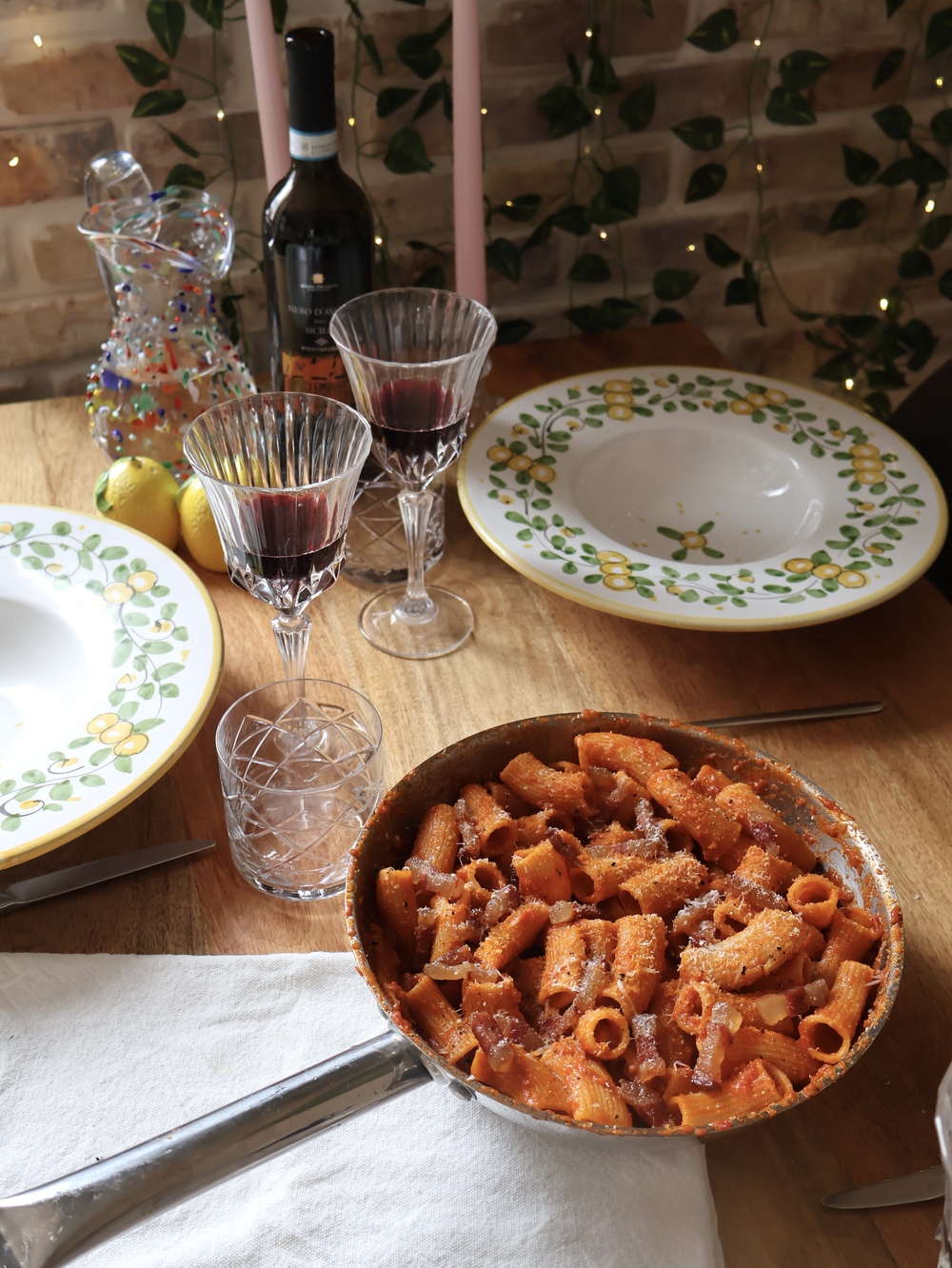
Putting together a harmonious Italian dinner doesn't mean filling your table with rare bottles or complicated pairings. Italy's rich wine heritage already offers countless possibilities, with wines that naturally complement the specialties of their home regions. Taking inspiration from these regional traditions is often an excellent place to start.
A Chianti, made primarily from Sangiovese grapes, can pair beautifully with pasta in tomato sauce. Its acidity and fruity notes complement the freshness of the tomatoes, while its tannins bring structure to the meal. For antipasti featuring grilled vegetables, seafood, or fresh cheeses, a crisp, delicate Pinot Grigio can be a lovely choice, provided its freshness works with the flavors on the table.
These pairings aren't absolute rules. There are several styles of Chianti and Pinot Grigio, and not all tomato-based dishes or antipasti are alike. But they offer a helpful starting point. It's always better to choose a wine that makes sense with your menu than a prestigious bottle whose personality might take center stage.
3. Acidity Is Your Best Ally
Tomatoes, olive oil, basil, lemon, grilled vegetables… Italian cuisine often celebrates fresh ingredients and vibrant flavors. In this context, acidity plays an essential role in wine. It brings freshness, balances richer preparations, and works particularly well with tomato-based dishes.
A slow-simmered tomato sauce, for example, generally pairs better with a wine that has lively acidity than with a very round, low-acid red. That's one of the reasons Sangiovese-based wines are so popular alongside many Italian specialties. Their freshness complements the tomatoes without making the overall combination feel heavy.
Acidity also brings contrast to creamy or richer dishes. It refreshes the palate and keeps flavors from lingering too heavily. A dish featuring cheese, butter, or cream can therefore benefit from a wine with enough freshness, whether white or red, depending on the other ingredients.
There's no need to memorize a long list of pairings. Simply think about the richness of the dish, its dominant flavors, and the freshness the wine can bring to the table. These few habits already provide a solid foundation for choosing with greater confidence.
2. Essential Italian Wines Worth Knowing
You don't need a fifty-bottle wine cellar to put together a successful Italian dinner. A handful of carefully chosen Italian wines can cover a wide range of occasions, from antipasti and pasta dishes to generous meals shared around a crowded table.
I remember a neighborhood wine shop in Bologna where the advice always seemed to begin with one simple question: what was the occasion? Rather than launching into a long technical explanation, the shopkeeper would make recommendations based on the meal and the kind of moment you wanted to share. That's an approach I particularly appreciate: choosing the right wine doesn't have to be complicated.
To get started, there are three Italian red wines worth adding to your list. Each has a distinctive profile and can accompany a wide variety of dishes, provided you take the style of the individual bottle into account.
Approachable Italian Reds (Your Go-To Choices)
Chianti Classico. From Tuscany and made primarily from Sangiovese grapes, Chianti Classico typically offers lively acidity, notes of cherry, and a well-balanced structure. It pairs particularly well with pasta in tomato sauce, lasagna, and certain pizza toppings. It's an excellent option when your menu features tomatoes, herbs, and Mediterranean flavors.
Montepulciano d'Abruzzo. Originally from the Abruzzo region, this red wine often offers a fruity, smooth, and generous profile, with tannins that vary depending on the producer and style. It's an easy fit for a relaxed dinner with friends, particularly alongside sauced pasta dishes, roasted meats, or slow-cooked preparations. A bottle worth considering when you're looking for an approachable, flavorful red.
Nero d'Avola. This iconic Sicilian grape produces wines that often have a sun-ripened character, with aromas of dark fruit and hints of spice. Depending on how they're made, they can be smooth and fruit-forward or more concentrated and structured. They pair particularly well with grilled meats, eggplant dishes, and Mediterranean recipes with bold flavors.
These three wines make an excellent starting point for discovering Italian reds without getting lost in the world of appellations. Chianti Classico brings freshness, Montepulciano d'Abruzzo offers generous fruit, while Nero d'Avola often delivers greater warmth and character. The best choice is always the one that complements the dish and suits the tastes of the people gathered around your table.
Exceptional Italian Reds (For a Truly Special Occasion)
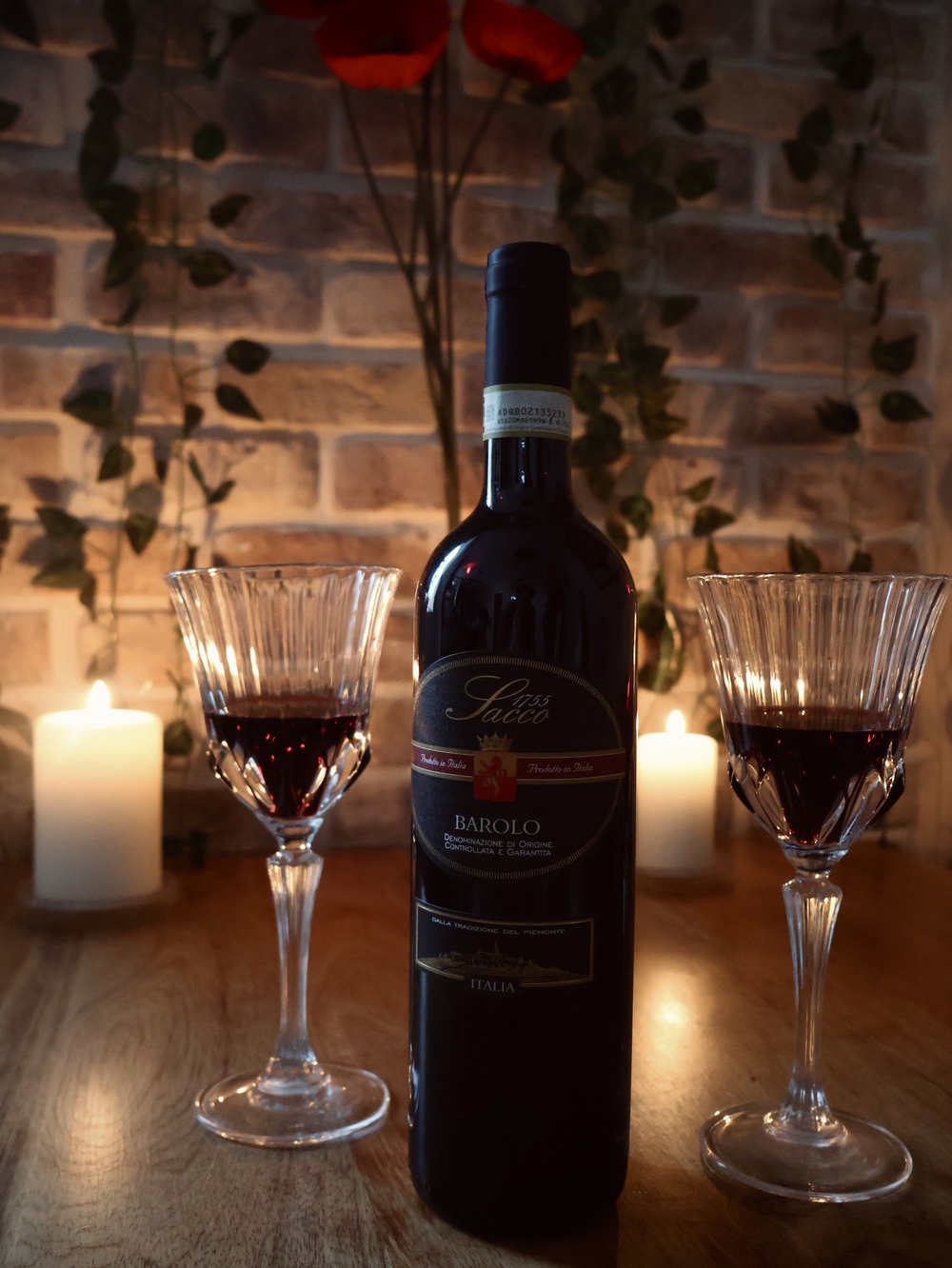
For certain occasions, you might feel like opening a bottle that's a little out of the ordinary. A birthday, an important dinner, or simply the pleasure of introducing your guests to a great Italian wine: some appellations have such a distinctive personality that they can give the entire meal a special dimension.
Barolo. Originally from Piedmont, Barolo is made from Nebbiolo grapes. It's a deep, structured wine with pronounced tannins and remarkable aromatic complexity. Its notes of red fruit, spices, and sometimes forest floor make it a particularly good match for slow-braised meats, mushroom dishes, and certain truffle preparations.
Barbaresco. Also made from Nebbiolo grapes and produced in Piedmont, Barbaresco shares Barolo's elegance and excellent aging potential. Depending on the vineyard and producer, it can sometimes be more approachable in its youth, with refined expressions of fruit and spice. It naturally finds its place alongside roasted meats and dishes with delicate yet lingering flavors.
Brunello di Montalcino. This prestigious Tuscan wine, made from Sangiovese grapes, combines structure, depth, and freshness. Its aromas of ripe fruit, spicy notes, and pronounced tannins make it an excellent companion for a beautiful cut of beef, a roast, or a slow-cooked dish.
Amarone della Valpolicella. Produced in the Veneto region from grapes that are dried before fermentation, Amarone stands out for its concentration, richness, and intensity. Its ripe, sometimes jammy fruit aromas and generous texture call for equally characterful dishes, such as braised meats or aged cheeses.
These aren't necessarily bottles you need to open for every dinner. They're best enjoyed with a menu thoughtfully designed around them, featuring dishes generous enough to match their intensity. And if you decide to serve one of these prestigious wines, remember that proper serving makes a difference too: the right temperature and, depending on the wine, opening it ahead of time or allowing it to breathe in a decanter can help reveal its full potential.
Essential White Wines and Sparkling Wines
An Italian dinner is, of course, about much more than red wine. White and sparkling wines deserve their place at the table, particularly during aperitivo, alongside antipasti, seafood, or vegetable-based dishes. They bring a welcome freshness and offer a lighter way to begin the meal.
Prosecco. Originally from northeastern Italy, Prosecco is often associated with aperitivo. Its bubbles and fruity aromas make it an inviting choice to serve with olives, small antipasti, or focaccia. For a well-balanced aperitivo, choose a Brut or Extra Dry style depending on your preferences and the food you're serving.
Pinot Grigio. This white wine, particularly popular in northern Italy, is appreciated for its freshness and generally delicate profile. It pairs beautifully with vegetables, fish, seafood, and mildly seasoned antipasti. Its understated character allows the flavors of the food to shine.
Soave. From the Veneto region and made primarily from the Garganega grape, Soave typically offers lovely freshness, with floral notes and sometimes a subtle hint of almond. It pairs particularly well with grilled vegetables, fish, and fresh cheese dishes, such as simply seasoned burrata.
Whether you're serving aperitivo or the first courses of the meal, freshness is an excellent place to start. It opens the palate without overwhelming it, leaving plenty of room for the flavors of the dishes to come.
3. Wine Pairings for Italy's Great Classics
Knowing a few Italian wine regions and appellations is a good place to start. But when it comes to choosing the right bottle, the most useful approach is to begin with the menu you've planned. A tomato sauce, a creamy preparation, slow-cooked meat, or delicate fish each calls for different characteristics in the glass. Understanding these differences will help you create harmonious pairings throughout the meal.
I remember dinners in Bologna at the homes of family friends, where a beautifully set Italian-style table gradually filled with dishes throughout the evening. Plates were passed around, conversations carried on, and everyone was happy to help themselves to another serving. The wine simply complemented the food without ever demanding attention. That's the kind of hospitality I love: the pleasure comes from the whole experience, the food, the people gathered together, and the atmosphere created around the table.
Here are a few pairing ideas to help you find the right balance with some of Italy's most beloved classics, from aperitivo to the main course.
3.1 Antipasti and Italian Aperitivo

Aperitivo sets the tone for the evening. In Italy, it often revolves around a few dishes meant to be shared: warm focaccia, bruschetta drizzled with olive oil, thinly sliced cured meats, creamy burrata, or Sicilian caponata with its delicate balance of sweet and tangy flavors. These first bites are simple, generous, and naturally encourage everyone to slow down and enjoy the moment.
To accompany them, it's best to choose fresh, light wines with enough acidity to complement the different flavors without overpowering them. Your choice will depend in particular on what's included in your antipasti spread:
- Prosecco: its bubbles and freshness bring a festive touch to aperitivo. It pairs beautifully with olives, focaccia, and savory bite-sized appetizers.
- Pinot Grigio: delicate and refreshing, it's a lovely match for grilled vegetables, fish-based preparations, and antipasti with subtle flavors.
- Soave: with its often floral profile and balanced freshness, it pairs naturally with vegetables, fresh cheeses, and simply seasoned burrata.
If your antipasti spread includes plenty of cured meats or richer preparations, you can also consider a light-bodied red with gentle tannins, served slightly chilled. The key is to choose a wine that complements the variety of flavors without overpowering them. It's a lovely way to create a welcoming atmosphere from the very first glass.
3.2 Pasta and Gnocchi: The Heart of an Italian Dinner Party
Pasta holds a special place in Italian meals. It can be hearty or delicate, spicy or creamy, simple or slowly simmered for hours. The wine should therefore be chosen primarily according to the sauce and the ingredients on the plate. The same pasta shape can call for very different pairings depending on how it's prepared.
For tagliatelle al ragù alla bolognese, meat lasagna, or generously filled cannelloni, a red wine with good acidity and moderate structure is an especially appealing choice. Chianti Classico pairs beautifully with tomato-based sauces and meat dishes, while Montepulciano d'Abruzzo offers a rounder, fruitier expression.
Amatriciana, with its tomatoes, guanciale, and Pecorino Romano, also calls for a wine that can balance both the acidity of the sauce and the richness of the cheese and cured meat. A fresh, fruity Italian red with enough structure can work beautifully. Chianti is one possibility, as are certain softer styles of Montepulciano d'Abruzzo.
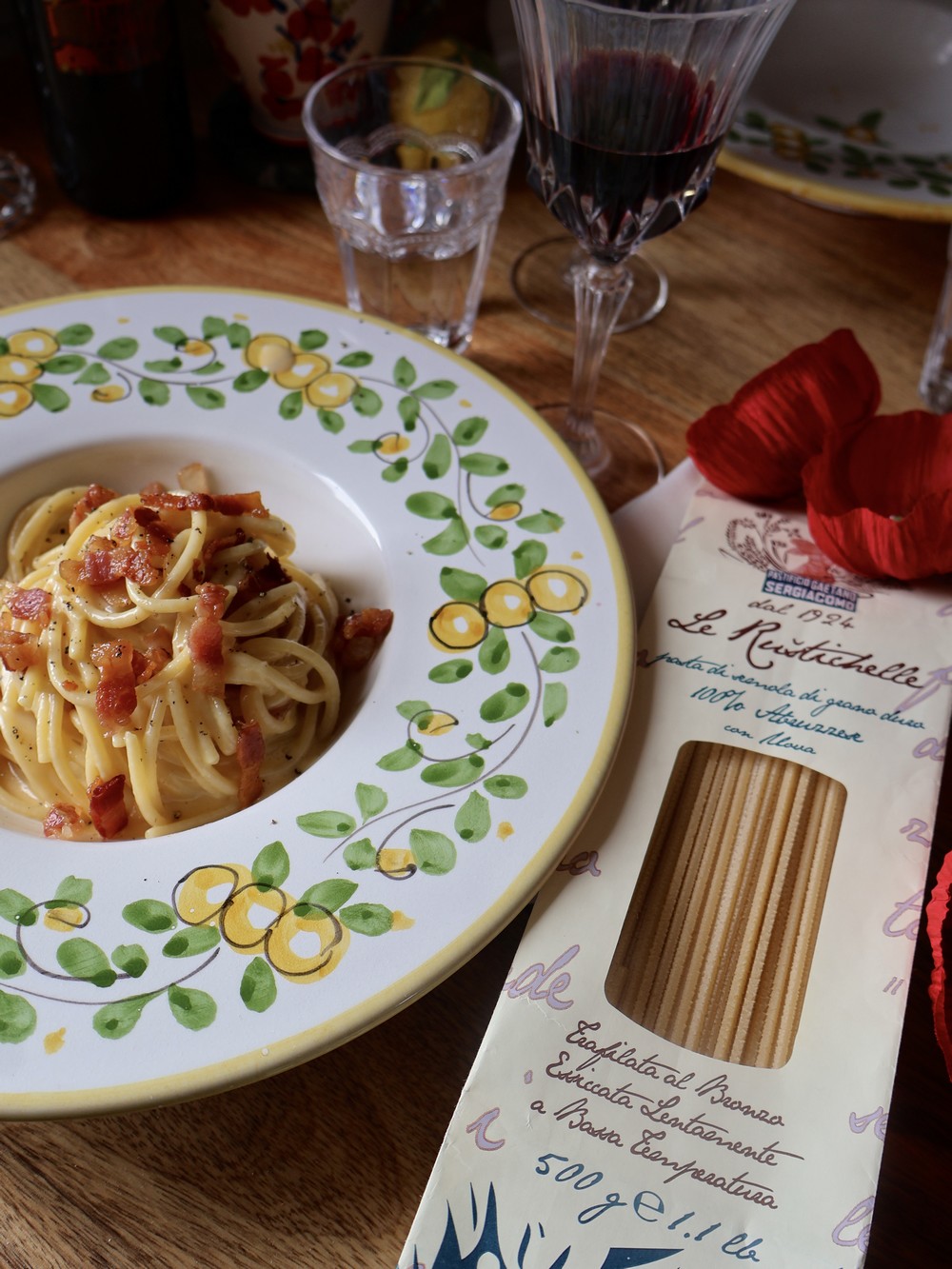
When it comes to spaghetti alla carbonara, the pairing deserves a little more thought. Guanciale, Pecorino, and egg yolks give the sauce a rich texture and pronounced savory flavors. A crisp, dry Italian white can provide an interesting contrast, while a light-tannin red with good acidity can also work well. If you'd rather stick with red, favor elegance over power. A carefully chosen young Barbaresco could be an option, but a highly structured Barolo or Brunello might overpower the dish.
Trofie with pesto Genovese call for a different approach. Basil, olive oil, pine nuts, and Parmesan come together in a fragrant, herbaceous, and generous sauce. A fresh Soave or another dry Italian white pairs beautifully with these flavors without making the dish feel too heavy. Pinot Grigio can also be a good choice, particularly in a crisp, delicate style.
Gnocchi, meanwhile, call for a wine that complements their sauce. With brown butter and sage, vegetables, or a cheese-based sauce, a fresh, well-balanced white can be ideal. If they're served with tomato sauce or ragù, a light- to medium-bodied red will often be a better match.
The best approach, then, is to look at what accompanies the pasta rather than choosing a wine based on its shape alone. A rich sauce, tangy tomatoes, or an intensely aromatic pesto will give you far better clues when looking for the right pairing.
3.3 Italian Meat Dishes and Iconic Classics
Meat dishes open up even more possibilities, and fuller-bodied red wines naturally find their place here. A beef tagliata, a slow-braised osso buco, and saltimbocca alla romana each have their own distinct personality. The cooking method, sauce, and side dishes remain important, but these classics often provide an opportunity to serve Italian wines with a little more character.
For beef tagliata, the texture of the meat and its grilled flavors pair beautifully with a Tuscan red made from Sangiovese. A Chianti Classico Riserva or Brunello di Montalcino can be particularly enjoyable alongside a beautiful cut of beef, depending on the richness of the sides and the level of doneness.
Osso buco, slowly braised and traditionally served with gremolata, has a more complex flavor profile. The tender meat, rich sauce, and fresh notes of lemon and parsley call for a structured wine with enough balance to avoid masking the dish's aromas. Barolo or Barbaresco can both be excellent choices, as can a Lombard red suited to this regional specialty.
Saltimbocca alla romana, made with veal, prosciutto, and sage, is generally more delicate. A light, fresh red can work well, but a dry white with good acidity is also worth considering. The goal is to preserve the delicate flavor of the veal and the aromatic notes of sage without introducing too much intensity.
For heartier dishes, some of Italy's great wine appellations can therefore make wonderful companions:
- Barolo: its structure and depth make it particularly well suited to slow-braised meats and dishes with intense flavors.
- Brunello di Montalcino: its freshness and concentration make it an interesting match for roasted or grilled beef and generous meat dishes.
- Amarone della Valpolicella: its richness and concentrated aromas pair well with braised meats, bold dishes, and certain aged cheeses.
These wines can turn a meal into a wonderful opportunity for discovery, but they're certainly not essential to a successful dinner. A more approachable red, carefully chosen and served at the right temperature, can offer just as much enjoyment. The quality of a meal isn't measured by the price of the bottle, but by the pleasure it brings to those sharing it.
3.4 Fish and Italian Risotto
Fish and risotto call for a more nuanced approach. Some preparations are light and delicate, while others have a creamy texture or particularly pronounced flavors. In most cases, dry Italian white wines are an excellent starting point, provided you choose one whose intensity genuinely complements the dish.
Oven-roasted sea bream, simply prepared with olive oil, lemon, and a few herbs, pairs beautifully with a fresh Pinot Grigio or delicate Soave. These wines complement the fish's subtle flavors without masking them. For a more aromatic preparation with tomatoes, olives, or capers, you can opt for a slightly more expressive white.
Mushroom risotto has a creamy texture and earthy, sometimes woodsy notes that lend themselves to several pairings. A Soave with a little more body or another well-balanced dry white can complement its richness beautifully. If mushrooms are particularly prominent, a light red with gentle tannins is also worth considering.
With truffle risotto, it's best to avoid wines that are too aromatic or powerful, as they could overpower the truffle's delicate fragrance. A dry, elegant white with enough structure can be an excellent choice. Certain delicate reds can also work, provided they don't dominate the dish.
Finally, seafood risotto generally calls for a fresh, crisp, dry white. Pinot Grigio or a lighter style of Soave pairs beautifully with the briny flavors of seafood and the creamy texture of the rice, bringing freshness to every bite.
For this family of dishes, the rule is simple: the wine should support the flavors without taking center stage. A delicate preparation deserves an equally refined pairing, while a richer or more aromatic risotto can welcome a white with a little more body. It's this search for balance that gives a wine pairing its true elegance.
Free Guide: 10 Golden Rules for Hosting Italian-Style
3.5 Pizza and Italian Cheeses
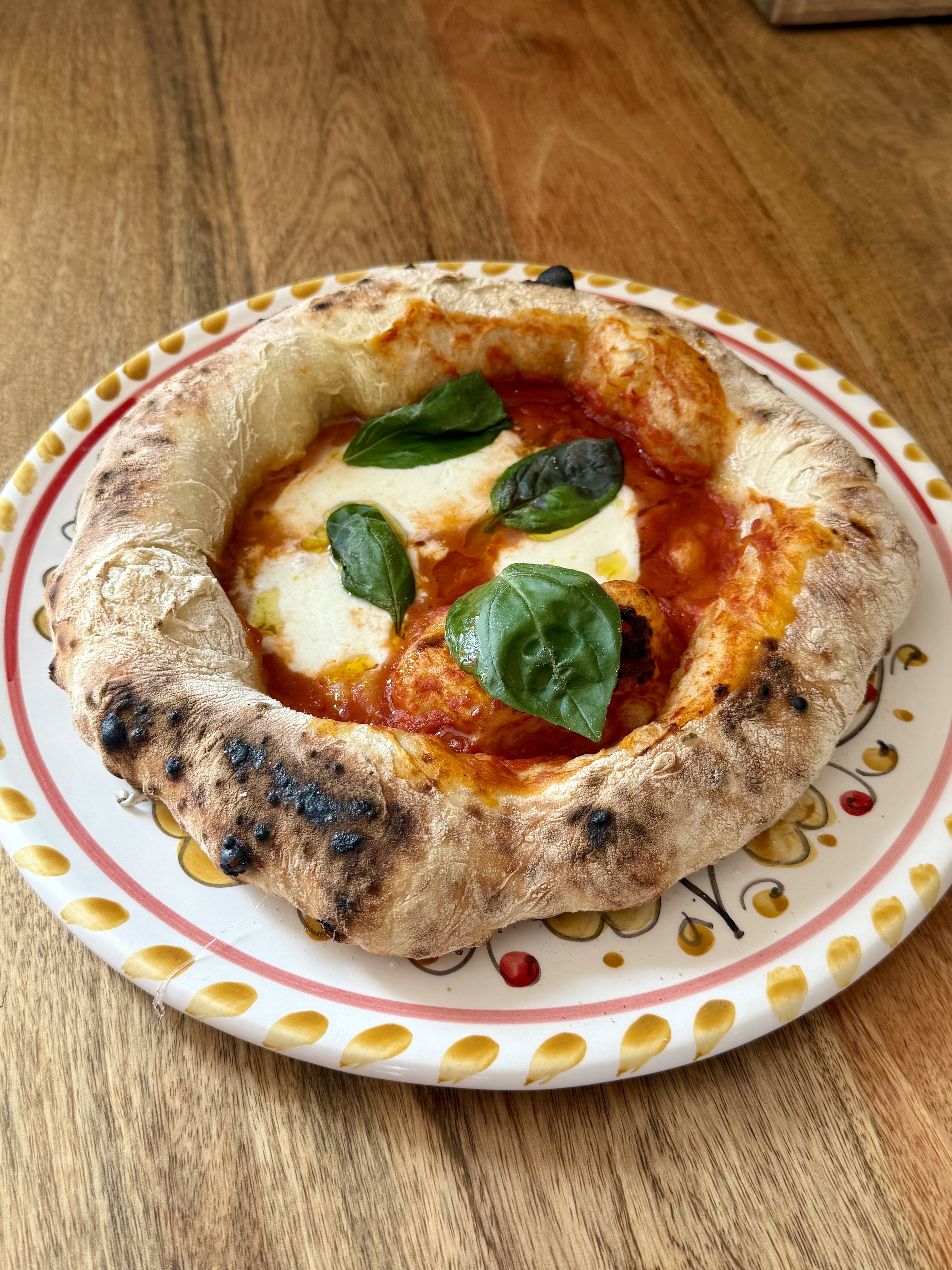
Some meals don't need elaborate preparations to be memorable. A pizza fresh out of the oven, a few Italian cheeses, a beautiful bottle of wine, and friends gathered around the table: sometimes, that's all it takes for a wonderful evening.
Pizza Margherita, with its tomato sauce, mozzarella, and basil, offers a lovely balance of freshness, acidity, and richness. A Chianti Classico is an interesting choice to serve alongside it: its lively acidity complements the tomatoes, while its moderate tannins work well with the richness of the mozzarella. A fruity, easygoing Montepulciano d'Abruzzo can also be a good match, particularly with a more generously topped pizza.
For Neapolitan-style pizzas with richer toppings, your choice will depend on the ingredients. A pizza topped with grilled vegetables or mozzarella can be paired with a fresh Italian white, while toppings featuring cured meats or other meats can comfortably stand up to a light- to medium-bodied red.
Italian cheeses offer even more possibilities. Fresh burrata generally calls for a crisp white or a light red, while well-aged Parmigiano-Reggiano or a more robust Pecorino can pair beautifully with a fuller-bodied red. Chianti Classico and certain styles of Montepulciano d'Abruzzo are good options here. Barbaresco can also be an interesting match for strongly flavored aged cheeses, provided the cheese has enough intensity to stand up to the wine.
More often than not, it's these simple combinations that work best. There's no need to turn a pizza night into a formal wine tasting: a few quality ingredients, a thoughtfully chosen bottle, and the pleasure of sharing are more than enough.
3.6 Italian Desserts

After the antipasti, pasta, and main course, dessert marks another chapter in the meal. Everyone takes a little more time, coffee sometimes makes its way to the table, and conversations linger. Italian desserts each have their own personality, and the drink you choose to serve alongside them deserves a little thought as well.
Amaretto tiramisu, with its notes of coffee, cocoa, and almond, pairs particularly well with an espresso. If you'd like to offer a wine pairing, a sweet Italian wine such as Recioto della Valpolicella can provide a lovely complement, thanks to its ripe fruit aromas and natural sweetness.
Panna cotta, often served with fresh berries, fruit coulis, or caramel, calls for a sweet wine with enough freshness to balance its creamy texture. For a fruit-based version, Moscato d'Asti can be a delightful choice, with its delicate bubbles and fruity notes. Affogato, on the other hand, combines vanilla gelato and espresso, making it a dessert that often needs nothing more alongside it.
And if you'd like to end the meal with something a little more complex, Amarone della Valpolicella can be served in small pours, particularly alongside certain aged cheeses. Its richness and concentrated aromas make for an enjoyable tasting experience, but its bold character and dry profile don't naturally lend themselves to sweet desserts.
Dessert doesn't necessarily need another wine pairing. A good Italian coffee, a little something sweet, and the pleasure of lingering at the table a while longer can make for the loveliest ending to a meal.
3.7 Sicily and Sun-Kissed Cuisine: The Nero d'Avola
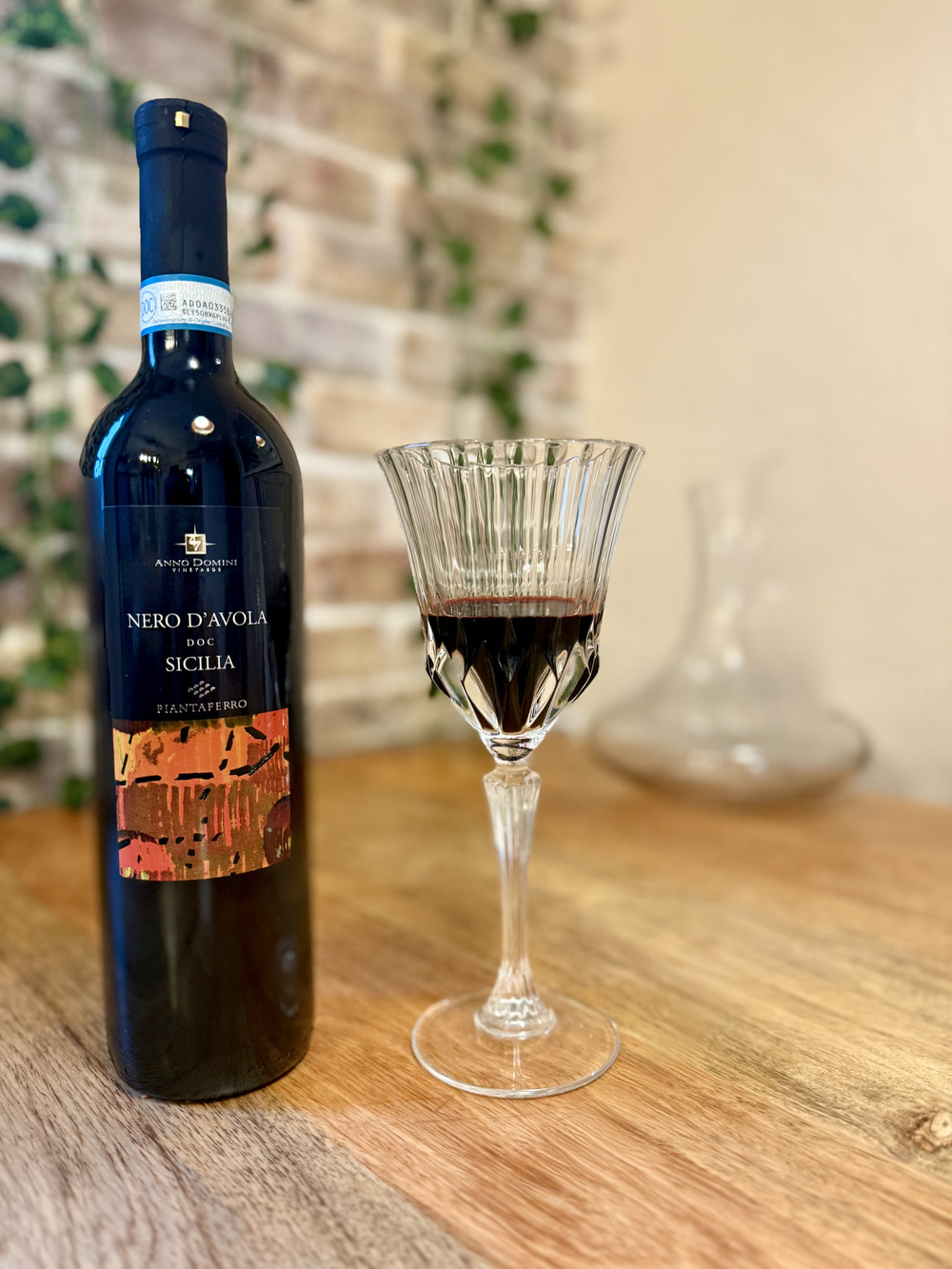
Italy cannot be summed up by a single cuisine or a single winemaking tradition. Every region has its own culinary heritage, ingredients, and wine appellations. As you travel farther south, the landscapes change, local ingredients take on different characteristics, and food and wine pairings tell an entirely new story. Sicily is a wonderful example.
I remember a lunch surrounded by that unmistakable Mediterranean atmosphere: a welcoming table, slightly warm caponata, slow-roasted tomatoes, and generous dishes made for sharing. The flavors were vibrant, combining sweetness, acidity, and a gentle touch of spice. This is exactly the kind of cuisine where Nero d'Avola naturally finds its place.
Sicily's signature grape variety, Nero d'Avola typically produces generous, fruit-forward red wines with notes of dark fruit and sometimes spice. Their structure varies depending on the producer and winemaking methods. Some Nero d'Avola wines are soft and easy-drinking, while others offer greater concentration and depth. This diversity makes them versatile companions for several Sicilian specialties.
Here are a few pairings worth exploring:
- Sicilian caponata: its sweet-and-sour flavors, combining tomatoes, eggplant, vinegar, and sometimes olives, can work beautifully with a young, fruit-forward Nero d'Avola served slightly chilled. A dry Sicilian white wine is also an excellent alternative.
- Tomato and basil bruschetta: with its freshness and Mediterranean flavors, it can pair well with a light-bodied red wine low in tannins. An approachable Nero d'Avola will be a better choice than a highly concentrated vintage.
- Italian cured meats: the fruit-forward character and moderate structure of certain Nero d'Avola wines complement savory, generous flavors, particularly when the cured meats aren't overly spicy.
- Aged cheeses: a more structured Nero d'Avola can accompany aged Pecorino or certain hard cheeses, whose flavors stand up beautifully to the wine's richness.
Discovering Nero d'Avola is also an invitation to look beyond Italy's best-known wine appellations and explore another side of the country's culinary heritage. If your menu features Mediterranean vegetables, eggplant, tomatoes, and generous flavors, this Sicilian grape variety deserves a place on your table.
4. Planning an Italian Dinner Party with Just 2 or 3 Wines
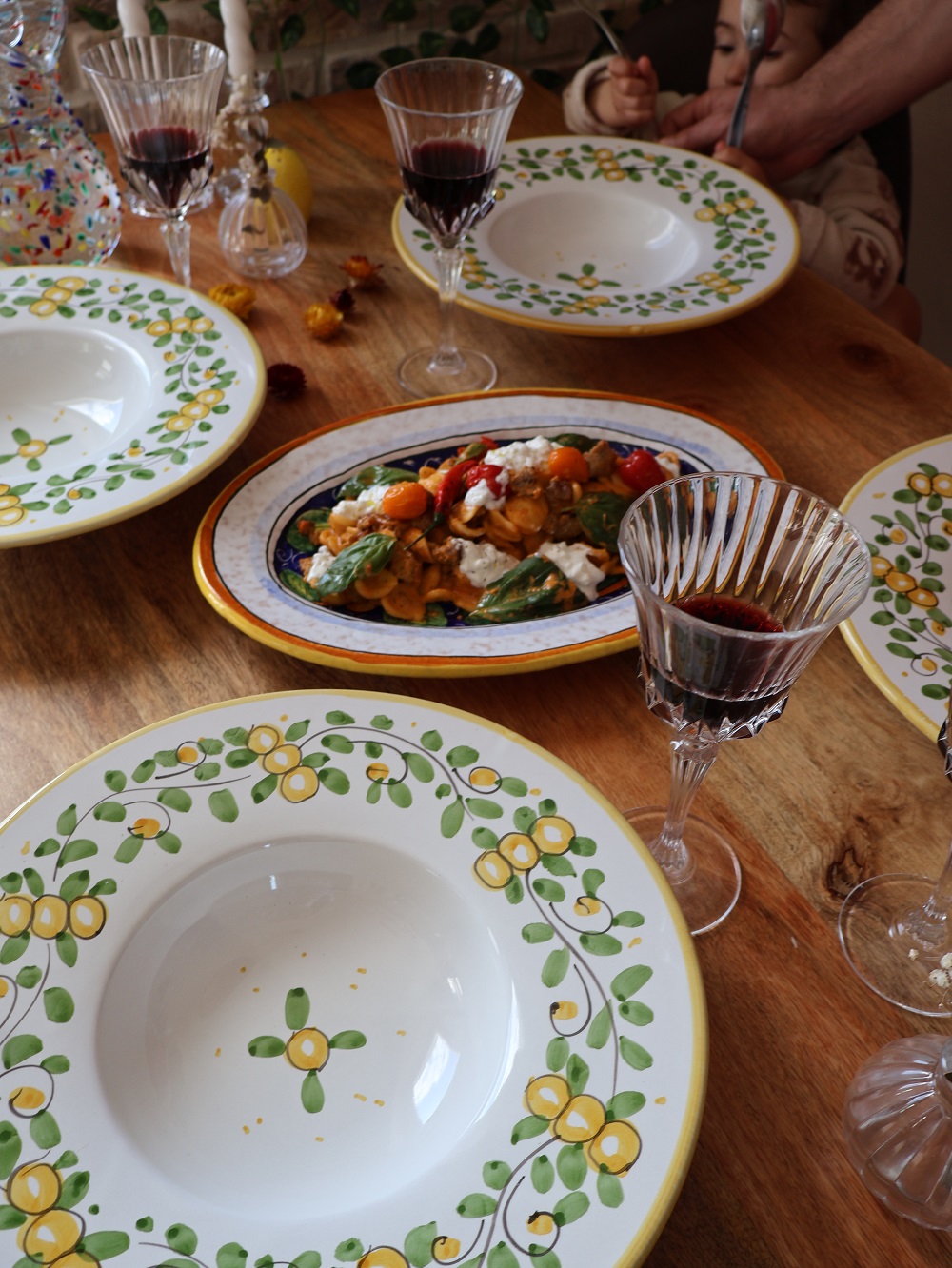
When planning a dinner with several courses, it's easy to assume that you need a different bottle of wine for every dish. In reality, there's no need to have an extensive selection. Two or three thoughtfully chosen wines are more than enough to complement the entire meal, without overcrowding the table or making service unnecessarily complicated.
I particularly remember a dinner with friends at our home with Mae, my wife. We'd planned three bottles, each with a specific role throughout the evening. There was no need to open anything else: the wines accompanied the different stages of the meal, and everyone could simply enjoy the food without having to think twice about the pairings.
This approach captures quite well what I believe makes a successful Italian dinner. It's not about offering endless choices to demonstrate how much you know, but about thinking of the meal as a whole and selecting a few bottles that naturally complement the way the evening unfolds.
The 3-Wine Rule: Simple Yet Remarkably Effective
When planning your menu, you can follow a simple three-stage approach. It's by no means a strict rule, but it provides an excellent framework when you're serving several courses and want the wines to evolve naturally throughout the meal.
- The opening wine: fresh, light, and easygoing, it accompanies the aperitivo and the first antipasti. A Prosecco or dry Italian white wine is a perfect choice.
- The main wine: selected to complement the centerpiece of your meal, it should have enough character to stand up to the flavors of the dish. Chianti Classico with lasagna or a more structured red with slow-braised meat are both excellent options.
- The after-dinner wine: optional, it can accompany certain cheeses or extend the tasting experience. A sweet Italian wine will often be better suited to dessert, while Amarone can be served alongside aged cheeses.
You can also keep things to just two bottles. One wine for aperitivo and another for the main course will be perfectly sufficient in many situations. Coffee, sparkling water, or a nonalcoholic drink can then accompany the end of the meal. The key is not to serve wine simply out of habit, but because it genuinely belongs on the table.
A Real-Life Example of a Successful Italian Dinner Party
Imagine hosting a dinner at home with a few friends. You've planned a generous aperitivo, a hearty lasagna, and an Italian dessert. Three bottles of wine can be all you need to give the evening a lovely rhythm.
As your guests arrive, you serve some still-warm focaccia, a few bruschette, and olives. This is the perfect moment to open a bottle of Prosecco, chilled and sparkling. Its lively bubbles bring a festive touch to the aperitivo and pair beautifully with those first bites.
Next comes the main course: a generous lasagna made with tomato sauce and slowly simmered ragù. For this, you open a bottle of Chianti Classico. Its freshness, red fruit notes, and balanced structure complement the richness of the meat and the acidity of the tomatoes without overpowering the dish.
Finally, the tiramisu makes its way to the table. Rather than continuing with a bold red wine, you could offer a small glass of Recioto della Valpolicella, whose sweetness and ripe fruit aromas pair much more naturally with dessert. And if your guests would rather finish on a lighter note, an Italian espresso will do the job beautifully.
Three courses, three suggestions, but absolutely no obligation to serve three different wines. You can adapt this approach to your menu, the length of the meal, and your guests' preferences. This flexibility is what makes entertaining feel natural, without turning dinner into a formal wine-tasting event.
The Casa Bandera Secret
Over the years, through my experiences in Italy, I've come to appreciate one thing above all: a good dinner isn't measured by the price of the bottles you open or the number of wine appellations you can name. What really matters is the thought you put into the meal as a whole and the way each detail contributes to the pleasure of welcoming others into your home.
A wine chosen to accompany a recipe you love, a bottle opened at just the right moment, a glass shared over a conversation that keeps going… These are the little touches that give an evening its soul. Wine should never become a display of knowledge. It's there to complement the food, but also the conversations and memories created around the table.
Ultimately, that's what the Art of Italian hospitality is all about: doing things with care, without trying too hard, and leaving enough room for what really matters. Beautiful food, a few good wines, and people you're genuinely happy to welcome into your home.
5. Mistakes to Avoid When Choosing Italian Wine
A good food and wine pairing can bring harmony to a meal, but a few simple mistakes can sometimes throw everything off balance. A wine that's too bold for a delicate appetizer, a bottle served at the wrong temperature, or an overly ambitious selection can make dinner unnecessarily complicated.
The good news is that these mistakes are easy to avoid. There's no need to follow a set of rigid rules. Just keep a few simple principles in mind to help you choose and serve your wines with greater confidence.
Mistake #1: Trying to Do Too Much
Choosing a different bottle for every course might seem like a thoughtful touch. Yet opening more bottles doesn't necessarily make the meal more enjoyable. It complicates service, requires extra planning, and can distract from what really matters: the food and the people gathered around the table.
Two or three carefully selected wines are generally enough to accompany the different courses of an Italian dinner. You can even serve the same wine with several dishes if the flavors work well together. The key is to create a cohesive selection rather than trying to introduce a new appellation with every course.
When it comes to food and wine pairings, simplicity is often your greatest ally. It leaves more room for conversation and allows everyone to enjoy the meal without constantly switching bottles.
Mistake #2: Choosing a Wine That's Too Bold Too Early
A Barolo or Amarone can be an exceptional bottle, but their richness and structure don't make them suitable for every stage of a meal. Serving a particularly full-bodied wine right from the aperitivo can overpower those first bites and make the pairings that follow feel less harmonious.
When your menu includes several courses, gradually increasing the intensity of the wines is generally a good approach. You can start with a Prosecco or a crisp white, move on to a red that complements the main course, and perhaps finish with a sweet wine alongside dessert or a special wine to accompany certain cheeses.
This progression isn't an absolute rule: it all depends on your menu and the wines you choose. But it's a lovely way to preserve the balance of the meal and fully appreciate each bottle.
Mistake #3: Overlooking Wine Serving Temperature
Serving temperature directly influences how a wine expresses its aromas and structure. A red served too warm can taste more alcoholic and lack freshness, while an excessively cold white may lose some of its aromatic complexity.
Contrary to popular belief, not all red wines should be served at room temperature. Light-bodied, fruit-forward reds often benefit from being slightly chilled, while more structured wines are generally best enjoyed at around 60–65°F (16–18°C). For white wines, a serving temperature of approximately 46–54°F (8–12°C) is a good guideline, depending on their richness and style. Sparkling wines, such as Prosecco, are generally served colder.
If you don't have a wine cellar, even a few minutes in the refrigerator before serving can make a difference. Just remember to plan ahead: it's better to have your bottles ready before your guests arrive than to improvise when everyone's already sitting down at the table.
Mistake #4: Trying to Impress Instead of Creating a Moment to Share
It's tempting to choose a bottle because of its prestigious appellation, price tag, or the reputation of its producer. But a great wine isn't automatically the best companion for a particular dish. An exceptional Barolo, for instance, may prove too powerful alongside a delicate preparation, while a more approachable Italian white can complement the flavors of your menu beautifully.
Before making your choice, think instead about what you're serving and what your guests enjoy. A well-matched bottle, opened at just the right moment and shared in a welcoming atmosphere, will often mean more than a prestigious wine chosen solely for its label.
Hosting isn't about showing off what you know. It's about paying attention to the little details that make everyone feel genuinely welcome.
The Real Secret to a Great Italian Dinner Party
What I love about the Italian approach to entertaining is the natural place wine holds at the table. It accompanies the meal, gets passed around among guests, and finds its place as each course is served, without necessarily becoming the main topic of the evening.
There's certainly pleasure in discovering a new grape variety, discussing a wine appellation, or sharing a special bottle. But these moments remain secondary to what truly matters: generous food, conversations that linger, and the simple pleasure of being together.
Wine contributes to the atmosphere of a dinner just as much as the lighting, music, food, and attention you give your guests. When thoughtfully chosen, it enhances the moment without ever stealing the spotlight. Ultimately, it's this subtle balance that makes all the difference.
FAQ – Frequently Asked Questions
To get started, a few well-known Italian wines offer excellent starting points: Prosecco or Pinot Grigio for aperitivo, Chianti Classico with tomato-based pasta dishes, and Montepulciano d'Abruzzo for heartier meals. The best choice will ultimately depend on the recipe, its sauce, and your guests' preferences.
Start by considering the intensity of the dish and its main flavors. A fresh, delicate wine pairs beautifully with fish or vegetables, while a more structured red is generally better suited to slow-cooked meats. Also consider the acidity of the sauce and the richness of the ingredients to find a well-balanced pairing.
Two wines are often enough: one for aperitivo and another for the main course. You can add a third if you'd like to serve a sweet wine with dessert or offer a special bottle alongside the cheese course. There's no need to switch wines with every course.
Barolo, Barbaresco, and Brunello di Montalcino are wonderful wines to explore for a special occasion. Their structure and complexity deserve a well-matched dish, such as slow-braised meat or a mushroom-based preparation. Ultimately, the best choice is the one that complements your menu and suits your guests' tastes.
Above all, look for balance between the wine and the dish. Avoid pairing an overly powerful wine with a delicate preparation, and consider the sauce, acidity, and richness of the ingredients. A few simple principles are all you need to make thoughtful choices without being a wine expert.
Conclusion – Wine Is Never The Main Event, but It Changes Everything
If there's one thing I'd take away from all these pairings, it's this: a good wine doesn't need to draw attention to itself to contribute to a memorable dinner. It complements the dishes, brings out certain flavors, and helps create balance throughout the meal. Its true value lies in how naturally it becomes part of the overall experience.
I often think back to the meals I've shared in Italy, especially in Bologna and around family tables. We never spent the evening discussing grape varieties or wine appellations. The bottles accompanied the food, conversations carried on, and everyone simply enjoyed the moment. What stayed with us wasn't just what we'd eaten or drunk, but the atmosphere surrounding those meals.
That's also what the Art of Italian hospitality is all about: knowing how to pair food and wine, of course, but above all, creating an experience where everyone feels at home. You don't need to be a cooking or wine expert to make that happen. A few helpful guidelines, carefully chosen ingredients, and a genuine desire to share are already enough to make a difference.
And if you'd like to take things a little further when planning your next dinners, I've put together a collection of easy Italian recipes to prepare when you're entertaining in our E-Book. You'll find plenty of inspiration for generous, welcoming meals rooted in our family story and three generations of Italian cooking.
Our book brings together 70 family recipes, designed to help you create varied menus and share wonderful moments around the table. There's no need to be a chef: the idea is simply to rediscover the pleasure of cooking and entertaining, with approachable recipes and authentic Italian flavors.
Our 70 Family Recipes for Italian-Style Entertaining
Also read:
Romantic Italian Dinner at Home: Menu & Atmosphere
How to Host an Italian Dinner Party from A to Z (Easy Planning Guide)
The Art of Italian Hosting: The Complete Guide to Creating Unforgettable Dinner Parties

Free Guide: 10 Golden Rules for Hosting Italian-Style

Let’s Talk Together!