 EN
 FR

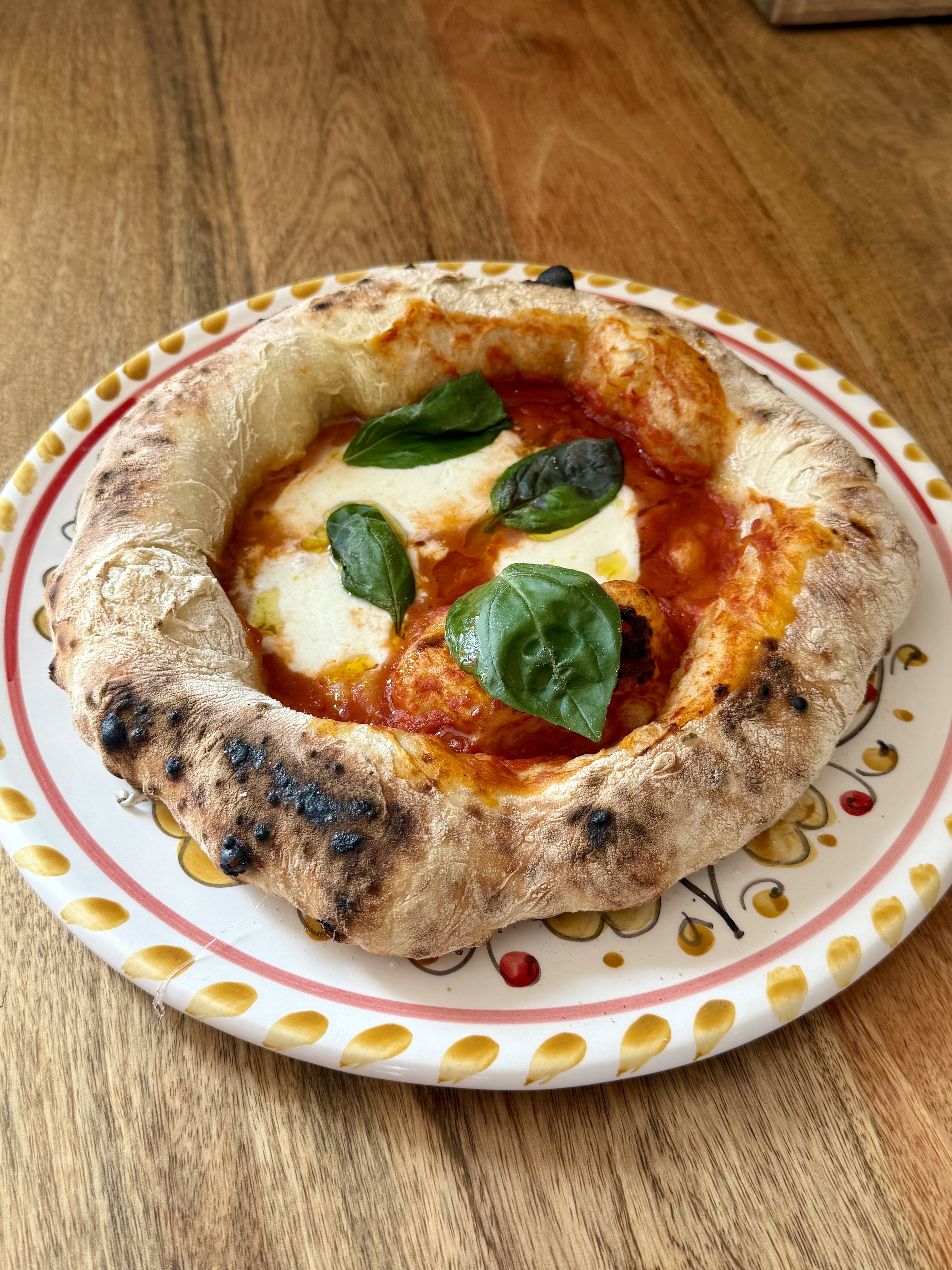
Picture a Neapolitan pizza fresh out of the oven, with beautifully puffed, lightly golden edges, melting mozzarella, fragrant tomato sauce, and a few fresh basil leaves. With the very first bite, the dough reveals its soft, airy texture, the tomatoes bring a hint of acidity, and the mozzarella ties everything together. Margherita needs nothing more. Its beauty lies precisely in the balance of simple ingredients and the care taken in preparing them.
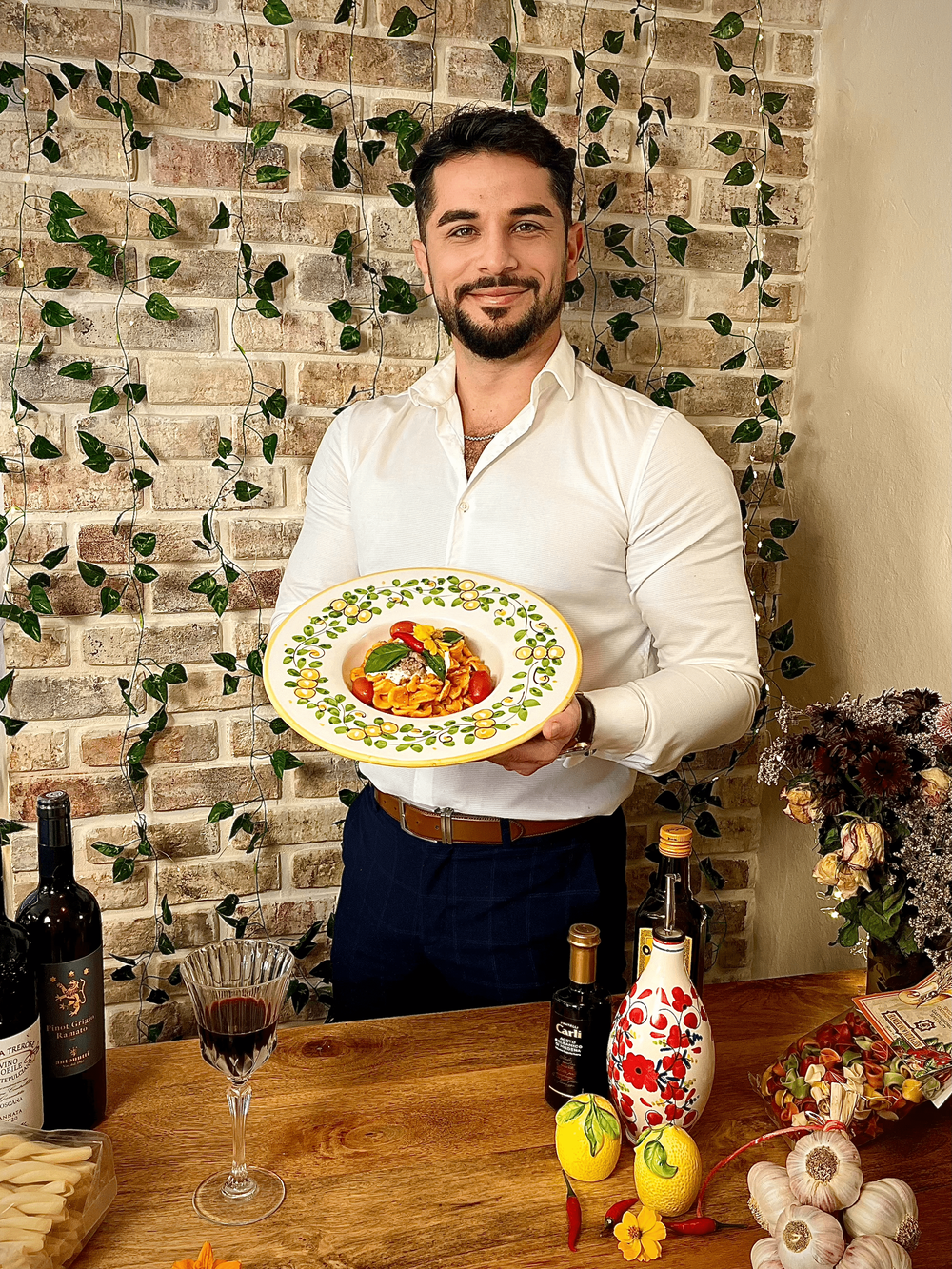
“I made this Margherita for a romantic dinner with Mae. A pizza shared between two, a beautiful evening, and one of those simple memories that stays with you for years.”
— Casa Bandera, from our Famiglia to yours
Margherita Pizza, an Italian Classic to Savor
Tomatoes, mozzarella, and basil: three ingredients are all it takes to create one of Italy's most iconic pizzas. Yet behind this apparent simplicity lies a true Art. The quality of the ingredients, the texture of the dough, the baking, and the balance of flavors make all the difference. This is a recipe that doesn't try to pile on the toppings, but instead allows each ingredient to find its natural place.
In Naples, pizza is often enjoyed in a lively, spontaneous atmosphere. It's served piping hot and shared around a table where conversations linger and no one seems in a hurry to bring the meal to an end. That's also what I love about Margherita: it reminds us that a memorable gathering doesn't necessarily require a complicated menu or elaborate presentation. A good pizza, a few people you love, and the pleasure of taking your time can be more than enough.
At the heart of Italian-style hosting, this philosophy has a special place. Food is about much more than what's served on the plate: it helps shape the atmosphere of a home, the joy of getting together with loved ones, and those little moments that eventually become lasting memories. With its generous spirit and naturally convivial character, Margherita captures this feeling perfectly.
Where Did This Iconic Recipe Come From?
To trace the origins of Margherita pizza, we need to head to Naples, the heart of the Neapolitan pizza-making tradition. A famous story dates its creation to 1889, when pizzaiolo Raffaele Esposito is said to have prepared several pizzas for Queen Margherita of Savoy, who was visiting the city with King Umberto I. One of them featured tomatoes, mozzarella, and basil, whose colors echoed those of the Italian flag. The pizza was supposedly named after the queen herself.
Today, this story is part of the collective imagination surrounding pizza, even though the true origins of Margherita are more complex and similar combinations already existed in Neapolitan cooking. Beyond the anecdote, what really matters is how this pizza became a symbol of Italian cuisine: a beloved, generous recipe deeply rooted in its home region.
Its success comes down to mastering a few essential techniques. Well-worked dough, proper fermentation, carefully selected flour, and baking at a very high temperature all help create its unmistakable texture, with a soft center and beautifully airy edges. There's no need to pile on the toppings when the dough and ingredients are already perfectly balanced. Margherita is a celebration of patience and precision, but also of tradition: techniques learned, practiced, and passed down through generations.
And if this pizza inspires you to plan an Italian dinner around it, you can take the experience further with our guide to putting together an easy Italian menu for entertaining guests. You'll find ideas for creating a well-balanced meal without spending the entire day in the kitchen. For more inspiration and help choosing dishes your guests will love, take a look at our tips on what to cook when you're hosting at home.
Because Italian-style hosting isn't about impressing your guests with one complicated dish after another. It's about planning ahead, finding the right balance, and truly enjoying the company of the people you've welcomed into your home. If you'd like to host with greater ease and confidence, I also invite you to read our article on how to host guests at home without the stress.
Ultimately, perhaps that's what the Casa Bandera spirit is all about: recipes with a story to tell, traditions passed down through our families, and the simple desire to make room around the table for the people we love. A little taste of the Dolce Vita, shared from our Famiglia to yours.
|
Information |
|
|---|---|
|
Difficulty 2/5 Cost medium Preparation time 20 minutes Resting time 6/8 h Cooking time 15 minutes Gluten |
Portions 2 Calories 1 180 kcal Utentils oven, mixing bowl, container, baking stone, pizza peel, bowls, knife, wooden spoon, tablespoon, kitchen towel Seasons all year round |
|
Ingredients |
|
|
Dough Flour type 00 334 g Water 234 mL Fresh yeast 8 g Extra virgin olive oil 2 tablespoon Salt 1 teaspoon Toppings Tomato sauce 250 g Mozzarella 250 g Fresh basil Extra virgin olive oil |
|
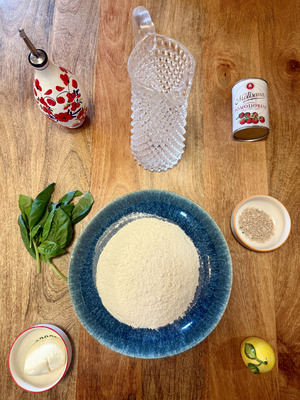
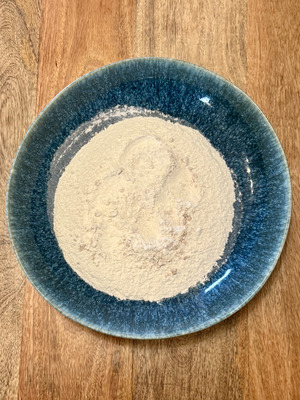
1 Pour the flour into a large mixing bowl. Crumble the fresh yeast directly over the flour, then mix briefly to distribute it evenly.
2 Add the salt to the container holding the room-temperature water. Stir until fully dissolved, then gradually pour the salted water into the bowl while mixing with a wooden spoon.
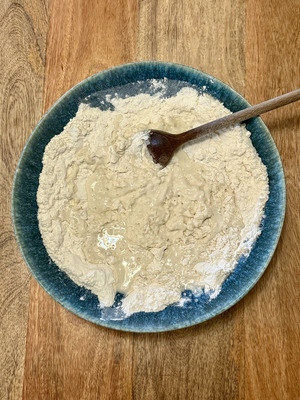
3 Add the olive oil and mix until you get a smooth, slightly sticky dough.
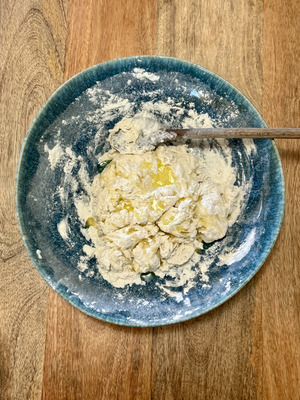
4 Transfer the dough to a lightly floured work surface. Knead for about 10 minutes using the folding technique, until the dough becomes soft and elastic. If the dough is too sticky, add a little flour and lightly moisten your fingers with water. Shape it into a smooth, round dough ball.
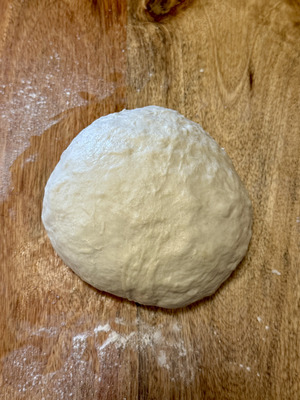
5 Wash the bowl, lightly oil the bottom, then place the dough ball inside. Cover with a slightly damp kitchen towel and let it rest for 30 minutes at room temperature.
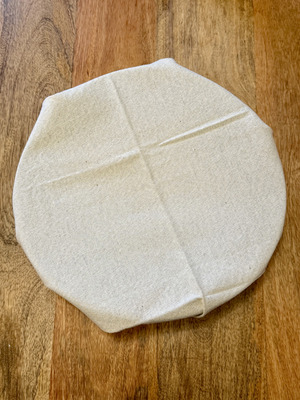
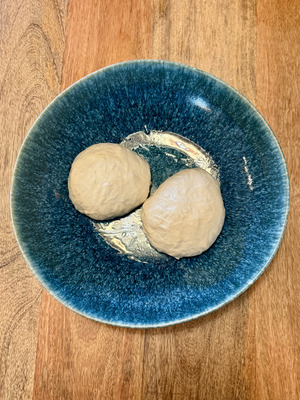
6 Divide the dough into two equal portions. Shape them into smooth, evenly rounded dough balls. Place them back in the bowl, cover again with the damp towel, and let rest for 6 to 8 hours at room temperature, away from drafts.
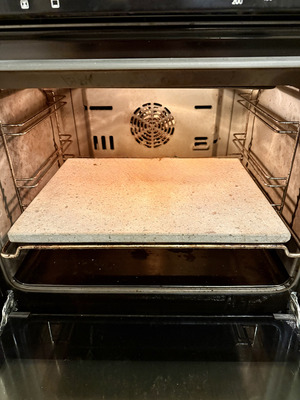
7 Place the baking stone on the rack in the center of the oven. Preheat the oven to its maximum temperature for at least 15 minutes, using convection mode.
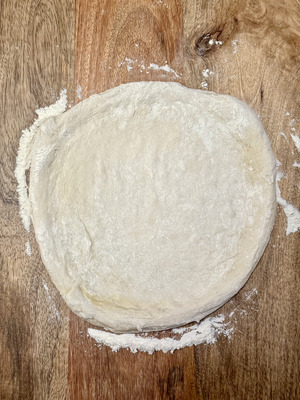
8 Place each dough ball on a small mound of flour. Using the tips of your knuckles, stretch the dough from the center outward to form the crust, trapping air bubbles in the edges. Shape the dough into a circle sized to fit your peel and baking stone.
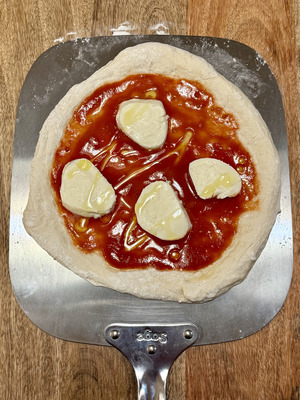
9 Top each pizza with tomato sauce, pieces of mozzarella, and a drizzle of olive oil. Bake for about 15 minutes. Once out of the oven, add fresh basil leaves and finish with a final drizzle of olive oil.
Recommended Food and Wine Pairing
Pair this pizza with a light red wine such as Bardolino or Chianti to enhance the authentic flavors of Italy.
Discover my selection of Italian wine pairings.
Buon Appetito !
Also read: The Art of Italian Hosting: The Complete Guide to Creating Unforgettable Dinner Parties
Free Guide: 10 Golden Rules for Hosting Italian-Style



Let’s Talk Together!